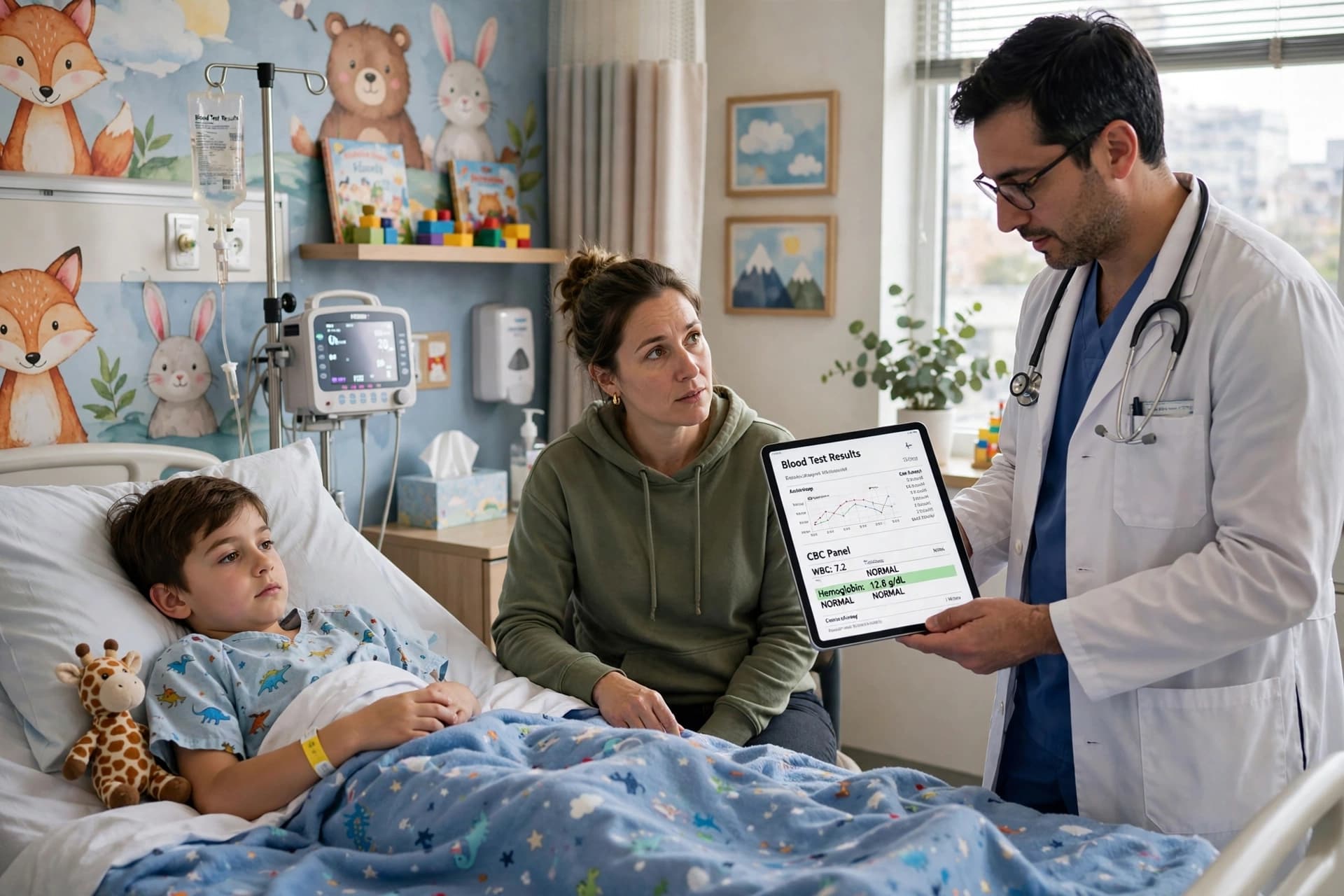
There is a particular cruelty in watching a child suffer while the adults around them wait for answers—the tests sent away, the specialists consulted, the months slipping past while a diagnosis remains out of reach. For families of children with rare immune conditions, that waiting has often been measured in years. A new approach to genetic testing is beginning to change that arithmetic, compressing what once took twelve months into as little as two weeks.
Research from the University of Queensland, conducted with Children's Health Queensland, examined nine years of genetic test data from 322 children seen through the state's pediatric immunology service. The study found that a streamlined model of care—using in-house pathology tests and faster access to specialists—meant children were diagnosed earlier and treated immediately . Under the new model, once a diagnosis was made, the treatment plan changed in 90 percent of cases.
The problem the new model addresses is not a lack of technology but a lack of coordination. Dr. Tatiane Yanes from UQ's Frazer Institute noted that in 30 percent of cases, children were put through duplicate blood tests for no reason. Families waited long periods for samples sent overseas, or were referred to multiple specialists—a process she described as "incredibly stressful when they have a child who is battling an illness" . The new approach keeps testing in-house and brings specialists together in multidisciplinary team meetings, cutting out the need for repeated referrals.
Genetic immune conditions are rare, but there are more than 500 that can be life-threatening, leaving children vulnerable to infection, allergies, inflammation, and cancer. Treatments range from stem cell transplants to antibody infusions. Dr. Yanes described the testing as "the 'why' test"—the tool that explains why a child is hospitalized for unusual infections or autoimmune conditions that have no obvious cause . Once the why is known, the what can follow.
The speed matters because of what it prevents. Dr. Peter McNaughton, an immunologist at Queensland Children's Hospital, explained that faster results mean targeted treatments can begin earlier, leading to less cumulative damage, less organ damage, and a greater chance of children leading more normal lives and attending school rather than cycling in and out of hospital . The study's findings reflect a broader shift in pediatric genomics, where rapid whole genome sequencing is increasingly being used as a first-line test rather than a last resort .
What the statistics do not capture is the texture of the waiting that has been eliminated. The months of uncertainty, the repeated blood draws, the appointments that produced no answers—these are the experiences the new model is designed to prevent. For the families who have already lived through them, the change comes too late. For those who will follow, it may mean the difference between a childhood interrupted and a childhood allowed to continue.
AI Image Disclaimer: The images accompanying this article were generated by artificial intelligence and are intended for illustrative purposes only.
Sources: University of Queensland, Mayo Clinic News Network
Published by Banx Network. This article is part of the Banx decentralized media programme, powered by the BXE token on the XRP Ledger.