In the quiet hours after a disaster, silence can be heavier than noise. In southwestern Japan, where the earth shook violently just days ago, that silence is now punctuated by the hum of generators and the soft voices of rescuers who know time is running out. The hope of finding survivors beneath the rubble is fading, replaced by the solemn task of recovery. As the death toll climbs to 25, the community grapples with the reality of loss, united in grief but divided by the debris that once was home.
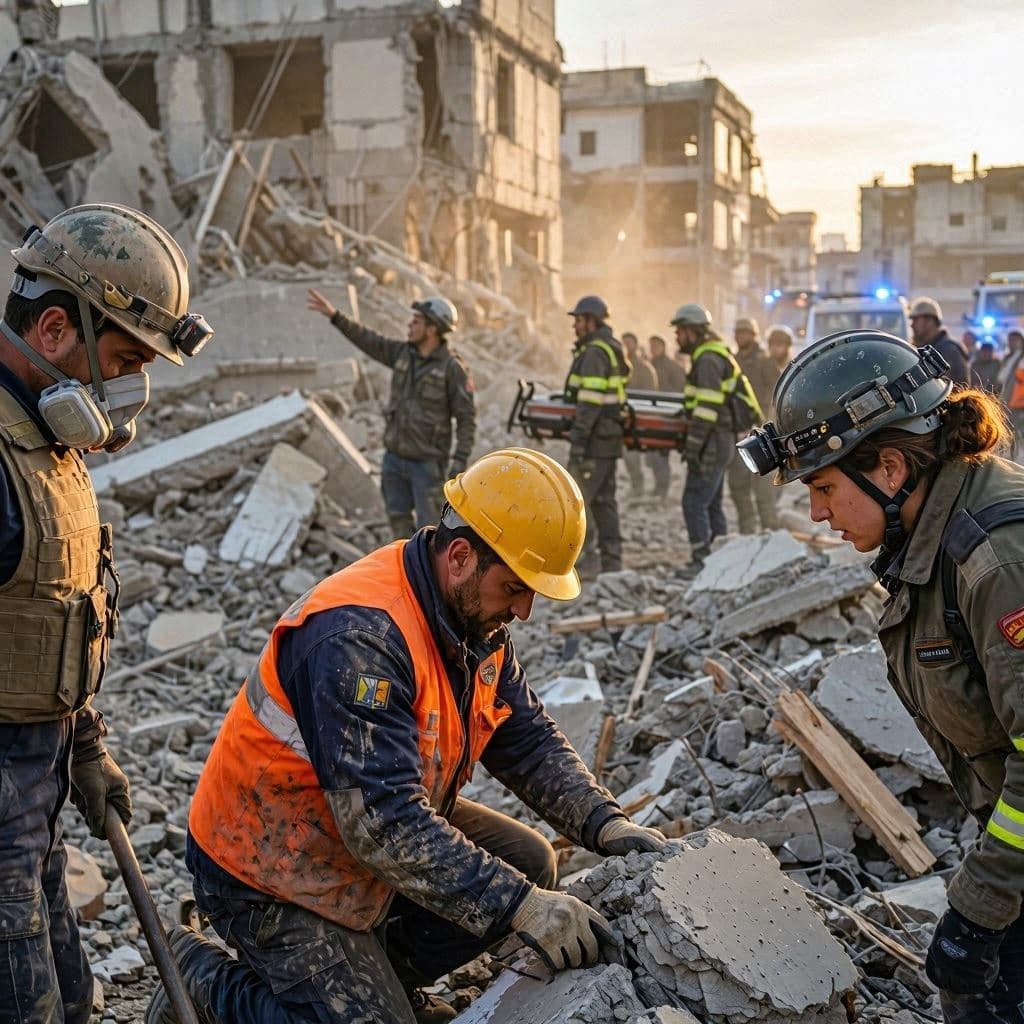
Body: The earthquake, which struck Kumamoto Prefecture on Kyushu island, measured 7.1 in magnitude, causing widespread destruction to buildings and infrastructure. Among the most devastating scenes was the collapse of a shopping mall, where several victims were trapped. Rescue teams have worked tirelessly, using heavy machinery and trained dogs to search for signs of life, but the window for survival has narrowed significantly. Each hour that passes brings less chance of finding anyone alive, shifting the focus from rescue to recovery.
Local authorities have confirmed that 25 people have lost their lives, with several others still missing. The victims include residents caught in collapsing homes and shoppers in the mall. Families wait anxiously for news, their faces etched with worry and exhaustion. Evacuation centers are filled with those who have lost their homes, relying on government supplies and the kindness of neighbors for basic necessities.
The psychological toll on the community is profound. Many residents are hesitant to return to their homes, fearing aftershocks and structural instability. The constant tremors, though smaller than the main quake, keep nerves frayed and sleep elusive. Mental health support teams are being deployed to help people process the trauma, offering counseling and a listening ear in a time of overwhelming stress.
Government officials, including Prime Minister Sanae Takaichi, have visited the affected areas, promising full support for reconstruction efforts. Emergency funds have been allocated to repair roads, restore power, and provide temporary housing. However, the scale of the damage means that recovery will be a long process, requiring sustained effort and resources from both the state and the private sector.
The economic impact on the region is significant. Kumamoto is known for its agriculture and tourism, both of which have been disrupted by the quake. Farmers face damaged crops and irrigation systems, while tourist attractions remain closed due to safety concerns. Local businesses, already struggling with the aftermath, now face an uncertain future as they assess the cost of repairs and lost revenue.
International aid has been offered, with neighboring countries sending expert teams and equipment to assist in the search and rescue operations. This global solidarity highlights the shared vulnerability to natural disasters and the importance of cooperative response mechanisms. Japan’s advanced disaster preparedness systems are being tested, providing valuable lessons for other seismic zones around the world.
As the days turn into weeks, the focus will shift from immediate emergency response to long-term rebuilding. Community leaders are already discussing plans for more resilient infrastructure, incorporating lessons learned from this tragedy. The spirit of the people remains strong, driven by a desire to honor the lost by building a safer future.
Closing: Hope for rescue may be dwindling, but the resolve of the Japanese people endures. As the nation mourns the 25 lives lost, it also looks forward to the hard work of healing and reconstruction, guided by memory and strengthened by unity.
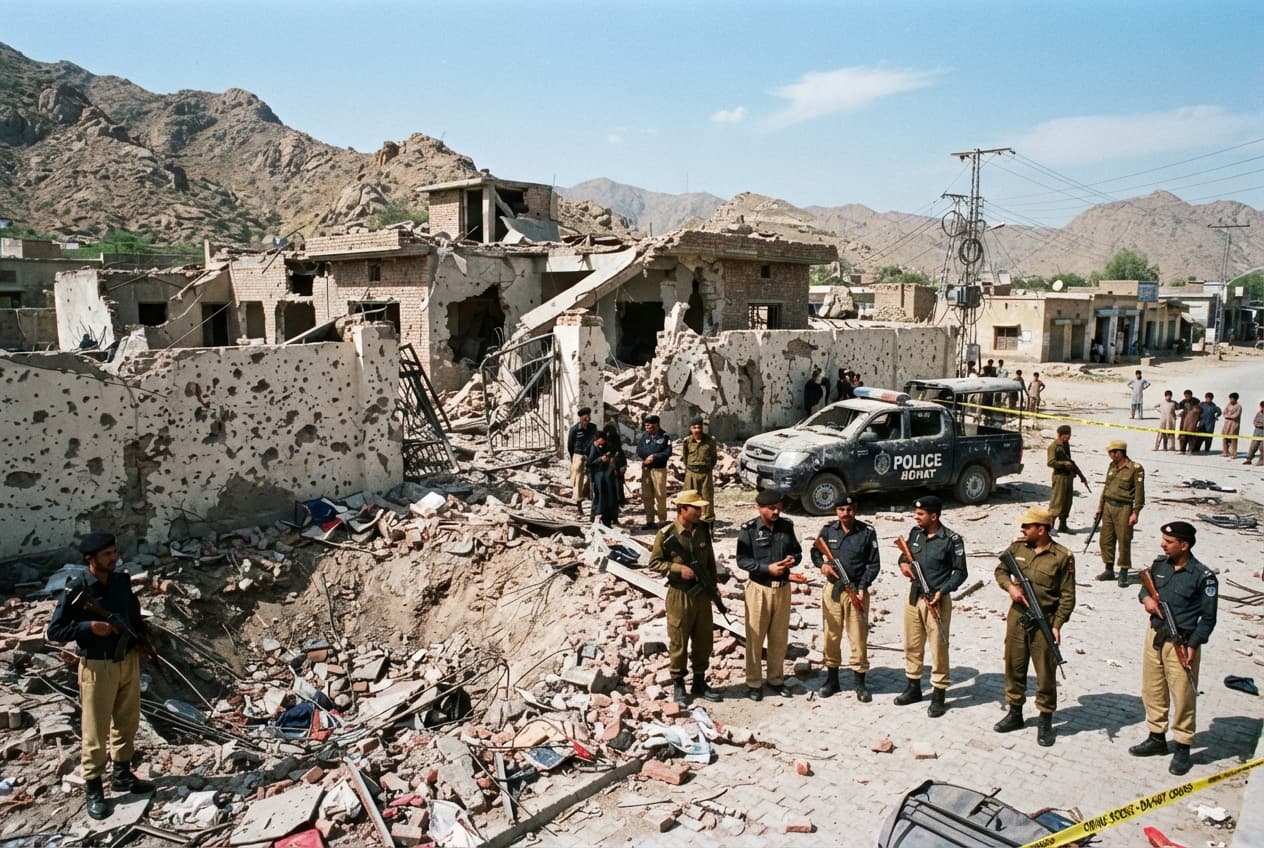
AI Image Disclaimer: The visuals accompanying this article are AI-generated illustrations designed to represent the themes of disaster recovery and communal resilience.
Sources: PBS NewsHour, NPR, The Philadelphia Inquirer, Yahoo News
Published by Banx Network. This article is part of the Banx decentralized media programme, powered by the BXE token on the XRP Ledger.