Exile is often a quiet chapter in the life of a political leader, a time of reflection away from the roar of the crowd. For Sheikh Hasina, the former Prime Minister of Bangladesh, that silence may soon be broken by a bold declaration of intent. In July 2026, she announced her plan to return to Bangladesh by December, despite facing a death sentence and intense political opposition. This decision, made from her refuge in India, sends ripples through the fragile political landscape of South Asia, challenging the interim government and reigniting the passions of her supporters. It is a move that balances on the razor’s edge between courage and catastrophe.
Hasina’s announcement comes after more than two years in exile, following her ouster in August 2024 amid widespread student-led protests. The interim government, led by Nobel laureate Muhammad Yunus, has worked to stabilize the country and prepare for elections. However, Hasina’s return threatens to disrupt this transition. She has stated that she and senior leaders of her Awami League party will voluntarily surrender to face legal charges, framing their return as an act of patriotism and accountability. Yet, the legal reality is stark: she has been sentenced to death in absentia for crimes against humanity related to the crackdown on protesters.
The reaction in Dhaka has been mixed. Supporters of the former prime minister have welcomed the news, seeing it as a sign of her resilience and commitment to her cause. Opponents, however, view it as a provocation that could destabilize the nation. Security forces have been put on high alert, anticipating potential unrest. The interim government has not yet commented officially on how it will handle her arrival, but the legal implications are clear. Her arrest upon entry seems inevitable, raising questions about the fairness of the trial and the potential for further polarization.
International observers are watching closely, concerned about the impact on Bangladesh’s democratic process. The United States and other allies have urged restraint and adherence to the rule of law. They emphasize the importance of a peaceful transition of power and the need to avoid violence. Hasina’s return could complicate these efforts, drawing attention away from economic recovery and institutional reform. It places the interim government in a difficult position, balancing justice with stability.
For Hasina, the decision is personal as well as political. She has spoken of her desire to face her accusers and clear her name, though many skeptics doubt the possibility of a fair trial given the current climate. Her son, Sajeeb Wazed, has supported her stance, arguing that her presence is necessary for the political dialogue. Whether this gamble will pay off or lead to her imprisonment remains to be seen. The risks are high, but so are the stakes for her legacy.
The coming months will be critical. As December approaches, tensions are likely to rise. Political rallies, legal battles, and security measures will dominate the headlines. The people of Bangladesh, weary of instability, hope for a resolution that brings peace rather than conflict. The world watches, hoping that democracy can withstand the pressure.
Sheikh Hasina’s planned return to Bangladesh is a pivotal moment in the country’s modern history. It tests the strength of its institutions and the resolve of its people. Regardless of the outcome, the event will shape the future of Bangladeshi politics. The hope is that the process remains peaceful and just, allowing the nation to move forward.
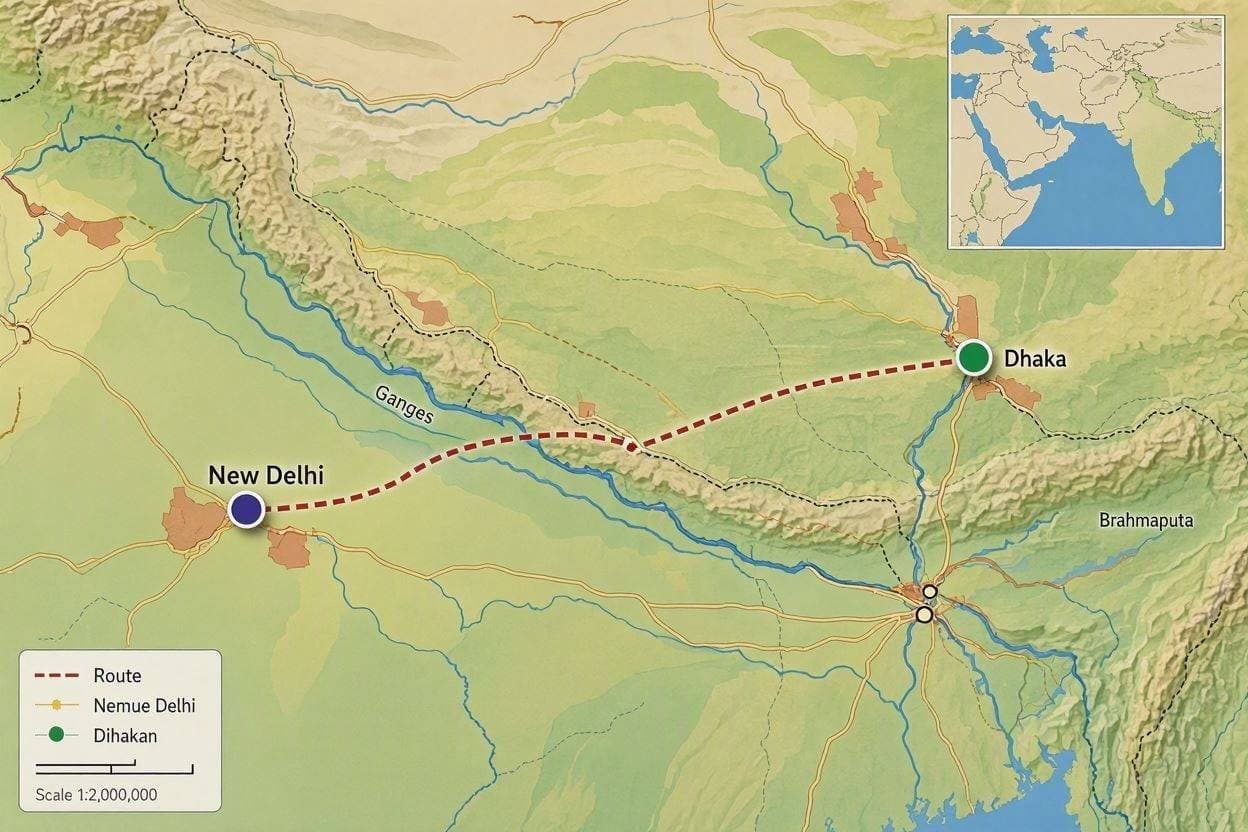
AI Image Disclaimer: The visual elements accompanying this report are AI-generated interpretations designed to reflect the political and geopolitical context of the story.
Sources: Al Jazeera Reuters The Daily Star
Published by Banx Network. This article is part of the Banx decentralized media programme, powered by the BXE token on the XRP Ledger.