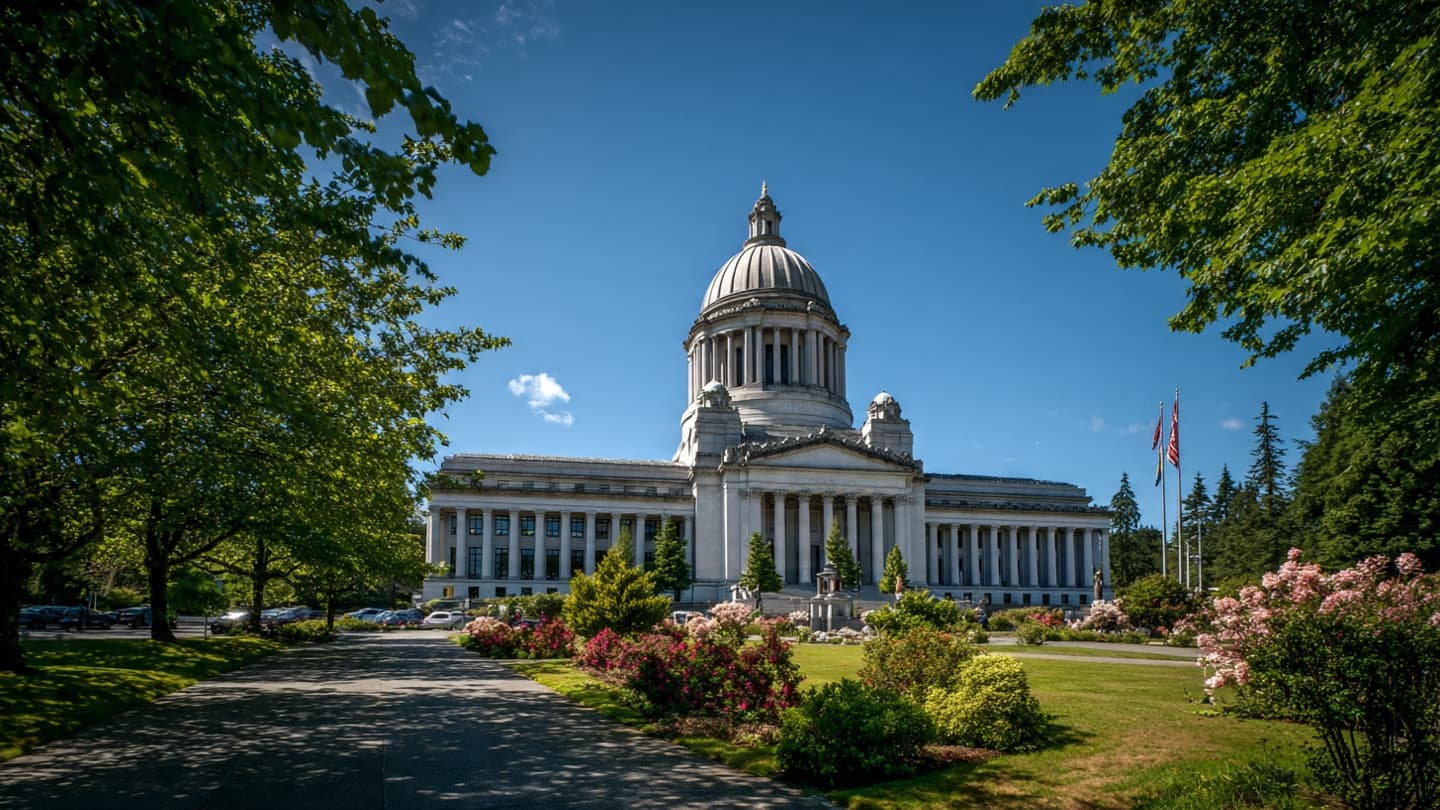
Security is a foundational promise of government, yet its cost and scope are often subjects of intense debate. In Washington State, officials are navigating the complexities of extending a National Guard deployment through 2029, with a price tag of 1.4 billion. This decision reflects ongoing concerns about public order and the role of military resources in domestic affairs. It invites reflection on the balance between safety and fiscal responsibility, as well as the evolving nature of civil protection. The extension marks a significant commitment of state resources to maintain stability in uncertain times.
The deployment, initially authorized to address specific security challenges, has become a cornerstone of the state’s strategy for managing large-scale events and potential unrest. Proponents argue that the presence of the National Guard provides a necessary deterrent and rapid response capability. They point to past incidents where civilian law enforcement was overwhelmed, necessitating additional support. For them, the investment is a prudent measure to ensure public safety.
However, critics question the necessity and cost of such a long-term military presence. They argue that funds could be better spent on social services, education, or community policing initiatives that address root causes of instability. The 1.4 billion figure represents a substantial portion of the state budget, raising questions about opportunity costs. Debates in the legislature have been heated, with lawmakers divided on the best path forward.
The National Guard members themselves face unique challenges during these extended deployments. Balancing their civilian lives with military duties requires significant personal sacrifice. Families often bear the burden of prolonged absences, adding a human dimension to the political debate. Support systems for guardsmen and their families are crucial for maintaining morale and effectiveness.
Legal and ethical considerations also play a role in the discussion. The use of military forces for domestic law enforcement is governed by strict regulations, including the Posse Comitatus Act. Ensuring that deployments remain within legal boundaries is essential for preserving civil liberties. Oversight mechanisms are in place to monitor activities and prevent overreach.
As the extension moves forward, transparency and accountability will be key. Regular reviews of the deployment’s impact and cost will help inform future decisions. The goal is to create a security framework that is both effective and sustainable. Community engagement remains vital for building trust and understanding.
Washington State is proceeding with a 1.4 billion extension of National Guard deployments through 2029, citing security needs. The decision has sparked debate over costs and the role of military forces in domestic affairs. The hope is for a balanced approach that ensures safety while respecting fiscal and civil constraints.
AI Image Disclaimer: Visuals associated with this article are AI-generated to illustrate the themes of governance and national security.
Sources: The Seattle Times Washington State Legislature Reports Local News Outlets
Published by Banx Network. This article is part of the Banx decentralized media programme, powered by the BXE token on the XRP Ledger.