Key Highlights
- Definition:A digital twin is a virtual representation of a physical object or system, integrating real-time data.
- Applications:Industries like manufacturing and construction leverage digital twins for efficiency and predictive maintenance.
- Technologies:Key components include IoT, cloud computing, and AI, enabling advanced simulations and data analysis.
[What Exactly Is a Digital Twin?]
A digital twin is a sophisticated virtual representation of a physical object, system, or process. Unlike traditional 3D models, which merely depict appearance, digital twins incorporate live data reflecting the operational status of their real-world counterparts. This integration allows for continuous monitoring and analysis, enabling users to identify potential issues and simulate changes effectively.
For instance, consider a modern wind turbine. Its digital twin can receive real-time data on wind speed, temperature, vibration, energy output, and mechanical wear. Engineers can utilize this information to monitor the turbine's health and predict component failures. This concept extends beyond individual assets to encompass entire factories, transportation networks, power grids, and urban environments.
The sophistication of digital twins varies significantly. Some provide basic representations, while others integrate real-time monitoring, physics-based simulations, artificial intelligence, and predictive analytics. The critical distinction lies in the connection between the digital twin and the physical system it mirrors; it is not merely a static visual but a dynamic model reflecting real-time conditions.
In February 2025, the U.S. National Institute of Standards and Technology (NIST) published a comprehensive report on digital twin technology, detailing its functions, applications, cybersecurity needs, and trust considerations. As businesses gain access to advanced computing power, connected sensors, and robust data infrastructures, the relevance of digital twins continues to grow.
[How Companies Create Virtual Copies of Physical Assets]
Creating an effective digital twin involves more than generating a realistic computer image. The initial step is gathering extensive information about the physical asset, which may include engineering drawings, laser scans, photographs, geographical data, sensor readings, and historical performance records. This data is then integrated into a digital environment.
For example, a construction firm developing a new commercial building might merge architectural designs, structural engineering models, HVAC systems, electrical layouts, and environmental data. Once operational, connected sensors can relay information about temperature, energy use, air quality, equipment performance, and occupancy levels, transforming the digital representation into a functional model rather than a static design.
Three pivotal technologies underpin this process: 1. Internet of Things (IoT): Connected sensors and devices gather data from physical environments. 2. Cloud Computing: Enables the storage and processing of vast amounts of data without requiring extensive local infrastructure. 3. Artificial Intelligence: Analyzes data, identifies patterns, predicts potential failures, and interprets complex simulations.
The synergy of these technologies empowers organizations to transition from merely observing current conditions to exploring potential future scenarios.
[The Factory of the Future Could Be Built Twice]
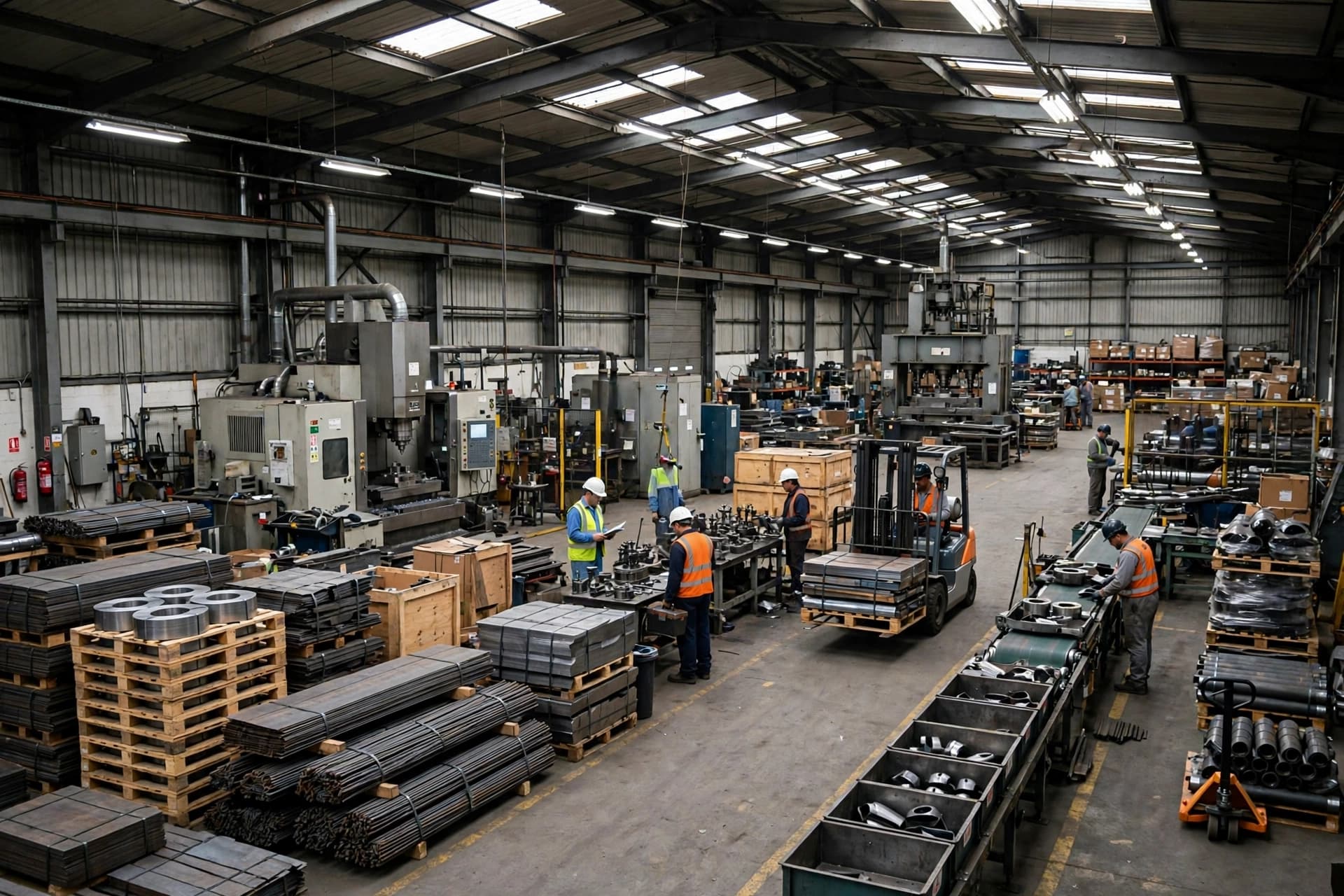
Manufacturing stands to gain significantly from digital twin technology. Before committing substantial investments to new production lines, manufacturers can create virtual models of proposed factories to evaluate operational performance. Engineers can simulate material movements, machinery operations, production bottlenecks, energy consumption, and worker interactions with automated systems.
If simulations indicate inefficiencies, adjustments can be made before physical construction begins. This approach is equally beneficial for existing factories. For instance, if a manufacturer aims to boost production, it can utilize a digital twin to test various configurations and pinpoint areas of capacity loss, optimizing operations without immediate capital expenditure.
As digital twin technology continues to evolve, its applications are expected to expand, offering unprecedented opportunities for efficiency and innovation across multiple industries.
Published by Banx Network. This article is part of the Banx decentralized media programme, powered by the BXE token on the XRP Ledger.