
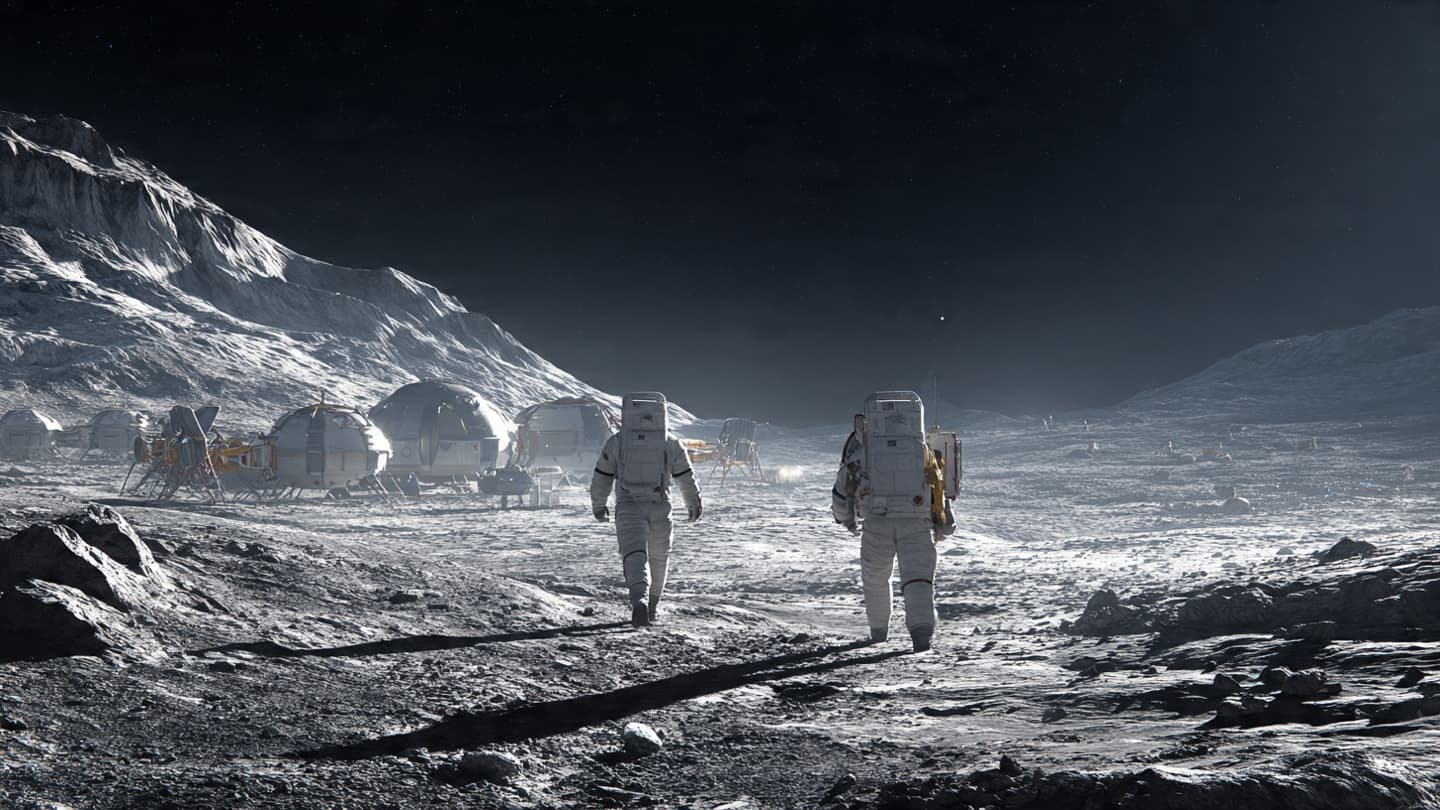
The Moon has inspired generations of explorers, scientists, and dreamers alike. What once appeared distant has gradually become a destination for renewed scientific ambition. Through the Artemis program, NASA continues developing technologies that will support future human exploration of the lunar surface while laying the foundation for missions deeper into the solar system.
NASA officials announced continued progress across several critical technologies supporting Artemis missions. These developments include improvements in lunar landing systems, advanced spacesuits, sustainable power generation, communication networks, and life-support technologies designed for extended missions.
Engineers are also refining systems that will enable astronauts to operate safely within the challenging lunar environment. Extreme temperature variations, abrasive lunar dust, radiation exposure, and prolonged surface operations require highly specialized equipment capable of functioning under demanding conditions.
The Artemis program aims not only to return astronauts to the Moon but also to establish a sustainable human presence for scientific research. Long-duration missions would allow researchers to study lunar geology, test new technologies, and prepare for eventual human exploration of Mars.
International collaboration remains an important element of the program. NASA continues working alongside commercial partners and space agencies from multiple countries to develop technologies supporting lunar infrastructure and future exploration objectives.
Scientists emphasize that each technological advancement contributes to broader knowledge beyond space exploration. Innovations developed for lunar missions frequently find applications in healthcare, communications, robotics, materials science, and environmental monitoring on Earth.
Commercial space companies have also become increasingly involved in supplying transportation systems, cargo delivery services, and specialized engineering solutions. These partnerships support NASA's broader strategy of combining government leadership with private-sector innovation.
As preparations continue, Artemis represents more than a single mission. It reflects a long-term vision of expanding human exploration while encouraging scientific discovery, international cooperation, and technological advancement that may benefit generations to come.
AI Image Disclaimer: The accompanying images are AI-generated artistic illustrations inspired by space exploration and are not official NASA mission photographs.
Source Verification: NASA, Reuters, Space.com, Ars Technica, Scientific American
Published by Banx Network. This article is part of the Banx decentralized media programme, powered by the BXE token on the XRP Ledger.



