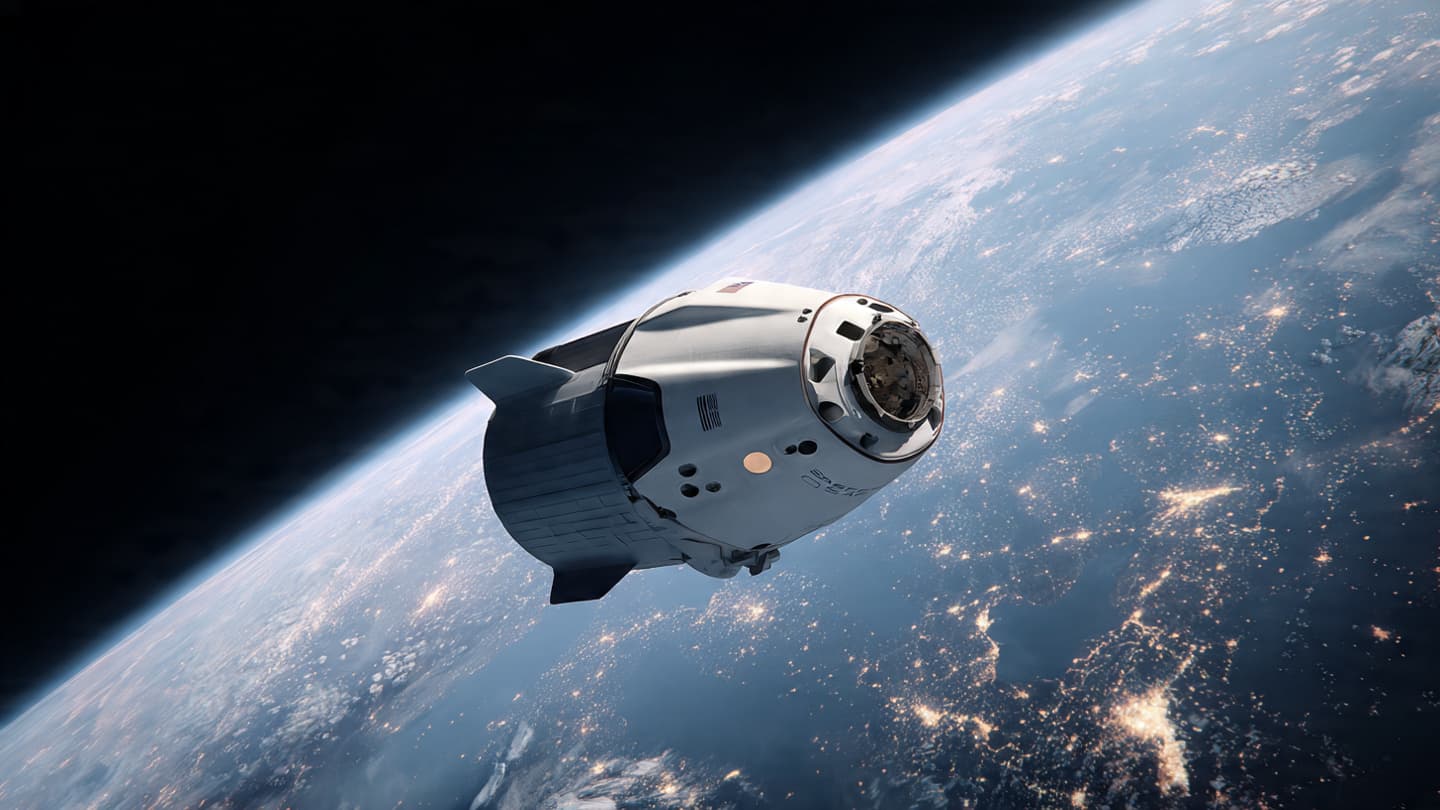
Spaceflight often unfolds like a carefully choreographed journey, where every stage depends upon precise timing and coordination. From launch to orbital operations and eventual return, each phase requires the attention of engineers, astronauts, safety officials, and support teams working across multiple organizations. The upcoming departure of SpaceX's Dragon spacecraft reflects that continuing rhythm of modern space exploration.
NASA announced plans to broadcast the June 16 departure of the Dragon spacecraft, providing public access to a mission milestone that marks the transition from orbital operations toward the next phase of the vehicle's journey. Such broadcasts have become an important part of connecting scientific missions with audiences around the world.
The Dragon spacecraft has played a central role in transporting crew members and cargo to and from the . Since entering service, the vehicle has contributed to regular mission support, scientific research, and international cooperation in low Earth orbit.
Ahead of departure and reentry activities, the Coast Guard issued hazardous window alerts for designated maritime areas. These notices are standard safety measures intended to protect vessels and individuals from potential risks associated with launch and reentry operations.
Space missions require extensive planning to ensure public safety. Temporary exclusion zones are established in specific regions where spacecraft components, debris, or operational activities could pose hazards. Mariners are encouraged to remain informed and follow official guidance during active mission windows.
The increasing frequency of commercial and government space missions has led to greater coordination among agencies responsible for transportation, aviation, and maritime safety. Such collaboration helps maintain secure operating conditions while supporting expanding access to space.
Public broadcasts of spacecraft activities also provide educational opportunities. Viewers can observe key mission events while learning more about the technologies and procedures that make human spaceflight possible.
As space operations become more routine, departures and returns continue to represent important technical achievements. Each mission contributes operational experience that supports future exploration efforts.
NASA and its partners will continue monitoring mission conditions as Dragon prepares for departure. The scheduled broadcast and accompanying safety measures reflect the detailed planning that remains essential to successful spaceflight operations.
AI Image Disclaimer: Visual representations included with this article may contain AI-generated imagery created to complement spaceflight coverage.
Source Verification Check: NASA, SpaceX, U.S. Coast Guard, Space.com, Ars Technica
Published by Banx Network. This article is part of the Banx decentralized media programme, powered by the BXE token on the XRP Ledger.