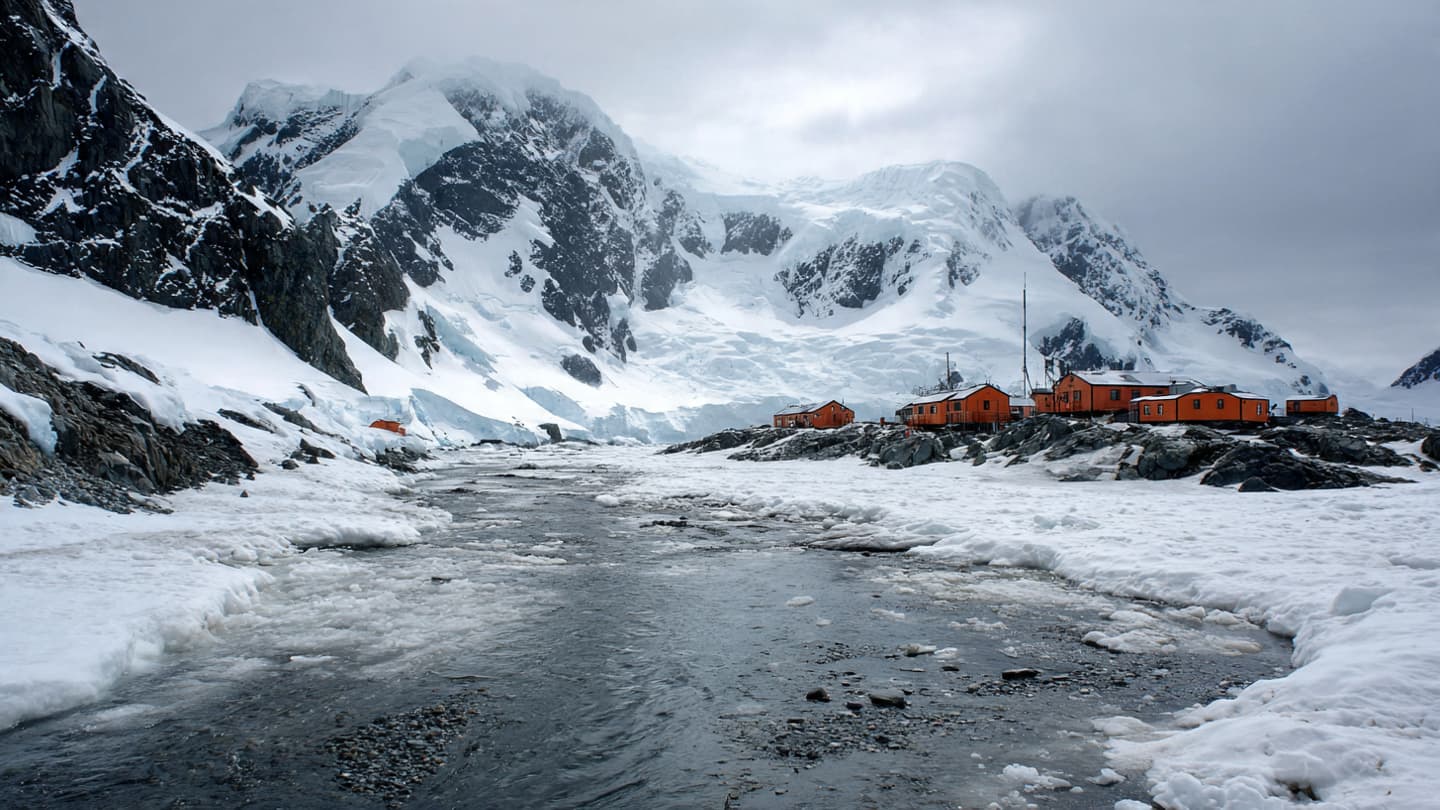
The image of Antarctica is often associated with endless fields of snow and powerful glaciers stretching toward the horizon. It is a place where cold defines the landscape. Yet recent scientific observations have revealed unusual warmth across parts of the Antarctic Peninsula, reminding researchers that even the coldest regions are not isolated from broader environmental patterns.
Scientists monitoring the region reported temperatures significantly above seasonal averages. During the recent event, some areas experienced conditions more than 20 degrees Celsius warmer than expected for this time of year. Although Antarctica remains extremely cold overall, such temperature anomalies attract considerable scientific interest.
The Antarctic Peninsula is one of the fastest-changing parts of the continent. Its geographic position makes it more exposed to weather systems originating from lower latitudes. Variations in ocean currents, atmospheric circulation, and wind patterns can all influence local temperatures.
Researchers explain that individual heat events are shaped by multiple factors. Warm air masses, changes in wind direction, and natural climate cycles may combine to produce temporary spikes in temperature. Scientists analyze these events carefully to understand how they fit into broader climate trends.
Higher temperatures can affect sea ice formation and the stability of ice shelves. Ice shelves act as natural barriers that slow the movement of glaciers toward the ocean. Changes in these structures are monitored because they can influence long-term environmental conditions.
Wildlife may also experience indirect effects. Penguins, seals, and marine species depend on stable habitats that are connected to seasonal ice cycles. Scientists continue to study how changing environmental conditions could influence ecosystems across the Antarctic region.
International research teams rely on satellite observations, weather stations, and field expeditions to collect data. Advances in technology allow experts to track changes in real time, improving understanding of the forces shaping polar environments.
Environmental specialists note that a single weather event should not be viewed in isolation. Long-term records provide the context needed to distinguish between natural variability and broader climatic developments. Ongoing research remains essential for accurate interpretation.
The recent warmth across the Antarctic Peninsula highlights the dynamic nature of Earth's climate system. As scientists continue their observations, the region offers valuable insights into the complex connections between oceans, atmosphere, and the frozen landscapes of the southern continent.
AI Image Disclaimer: The accompanying image is AI-generated and intended for illustrative purposes only.
Sources: The Guardian, Reuters, World Meteorological Organization, BBC News
Published by Banx Network. This article is part of the Banx decentralized media programme, powered by the BXE token on the XRP Ledger.