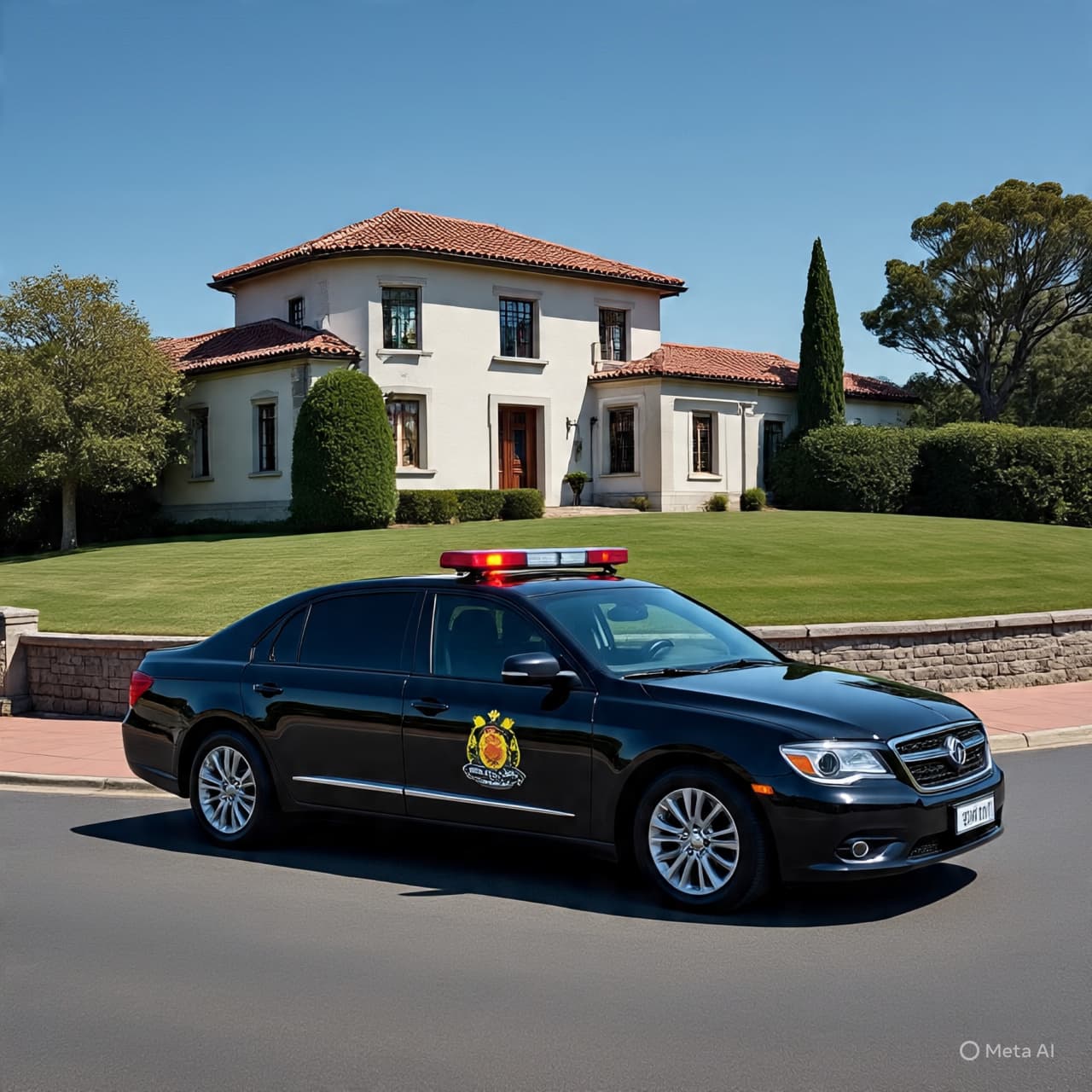
Before dawn had fully settled over Canberra, the stillness around The Lodge was broken not by ceremony but by caution. Security lights cut through the half-light as officers moved with quiet efficiency, clearing corridors and escorting Australia’s leader from the official residence after a bomb threat was received.
Authorities later confirmed that the Prime Minister was evacuated as a precaution while federal police assessed the credibility of the threat. The residence, a fixture of political continuity in the capital, was secured and searched. No device was ultimately found, but the disruption underscored how swiftly public life can pivot from routine to risk.
Investigators from the Australian Federal Police said the threat appeared to be linked to individuals opposed to a spiritual movement that is banned in China. While officials have not publicly detailed the specific group referenced in the communication, they indicated that the motive was being examined within the broader context of extremist or politically motivated behavior.
The Prime Minister’s office confirmed that he was safe and that security protocols functioned as intended. In a brief statement, officials emphasized that threats against elected representatives are treated with utmost seriousness, regardless of their eventual credibility. The incident has prompted renewed discussion about the safety of public figures and the increasingly transnational nature of political grievances.
Australia’s democratic institutions have long operated in a climate of relative openness—parliamentary grounds accessible, leaders visible in community spaces. Yet recent years have seen a steady tightening of security around high-profile officials. Digital platforms allow ideological disputes that originate overseas to echo within domestic politics, sometimes with unpredictable consequences.
The reference to a group banned in China introduces a layer of geopolitical complexity. Australia and China have navigated periods of diplomatic tension, particularly over issues of influence, trade, and security. When threats intersect with movements tied to international disputes, the lines between domestic policing and foreign policy can blur.
For residents of Canberra, the evacuation was brief but jarring—a reminder that the architecture of governance, though solid in appearance, depends on vigilance behind the scenes. The lawns around The Lodge returned to quiet by mid-morning, but the episode lingered in headlines and in conversations about the fragility of public safety.
An investigation remains ongoing. Authorities are working to identify the source of the threat and determine whether charges will follow. In the measured cadence of official statements, there is reassurance. Yet beneath that composure lies a recognition that even distant ideological conflicts can find their way to a front door in the capital—if only for a moment, before the all-clear is given and the day resumes.
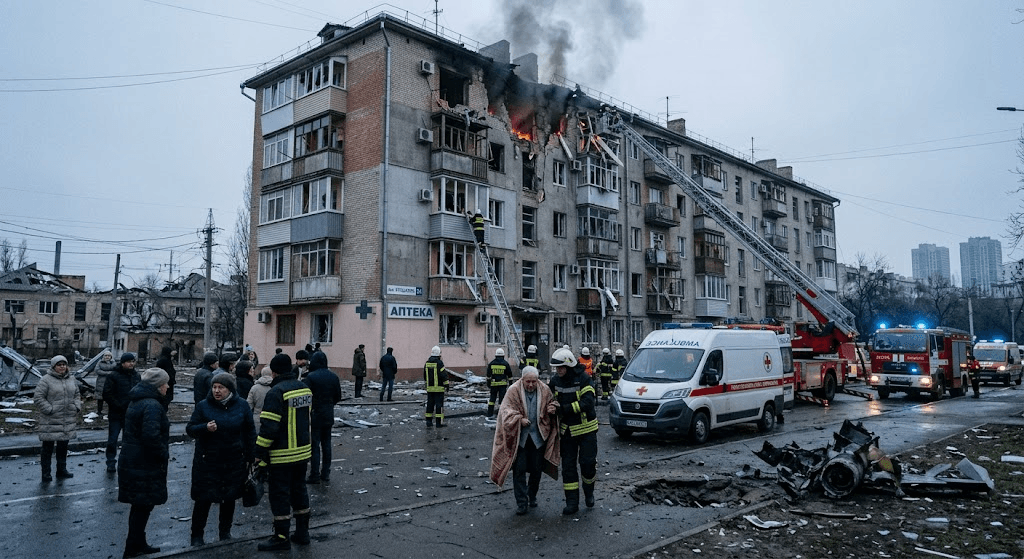
AI Image Disclaimer
Visuals are AI-generated and serve as conceptual representations.
Sources
Australian Federal Police
Prime Minister’s Office statement
ABC News
Reuters
Published by Banx Network. This article is part of the Banx decentralized media programme, powered by the BXE token on the XRP Ledger.