Sergio Guincho Toronto, Canada – January 9, 2026 In an era of shifting global power dynamics, Europe—once the epicenter of empires and enlightenment—finds itself increasingly sidelined on the world stage. From economic lethargy to political paralysis, the continent's influence has plateaued, overshadowed by the assertive rise of the United States, China, and emerging powers in the Global South. This "stale" status, marked by stagnation rather than outright collapse, stems from a confluence of internal divisions, external dependencies, and missed opportunities in the post-Cold War. As the European Union (EU) grapples with these challenges in 2026, experts warn that without bold reforms, Europe risks becoming a "relic" in international affairs.
Historical Foundations of Decline
Europe's current predicament didn't emerge overnight. The seeds were sown in the aftermath of World War II and the Cold War, when the continent prioritized integration and economic recovery over geopolitical assertiveness. The formation of the EU in the 1990s was a triumph of unity, fostering peace and prosperity through a rules-based order. However, this model—emphasizing depoliticized negotiations and market-driven solutions—proved ill-suited for the raw power politics of the 21st century.
By the 2010s, cracks began to show. The 2008 financial crisis exposed deep fiscal vulnerabilities, leading to a debt crisis that strained unity and imposed austerity measures across southern Europe. Brexit in 2016 further fragmented the bloc, removing the United Kingdom's military and diplomatic clout. Meanwhile, demographic shifts—plummeting birth rates and an aging population—exacerbated economic pressures, with projections showing Europe's workforce shrinking by millions by 2030. These internal woes were compounded by external shocks: the 2015 migration crisis overwhelmed borders and fueled populist backlash, while over-regulation stifled innovation, leaving Europe trailing in tech sectors like AI and semiconductors.
The Geopolitical Trap: Wars, Dependencies, and Divisions
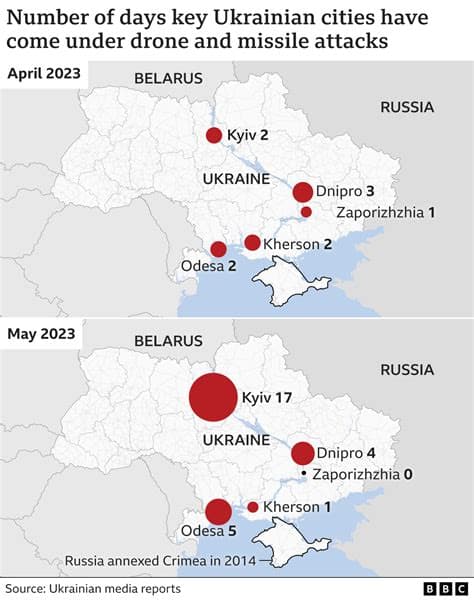
The Russia-Ukraine conflict, entering its fourth year in 2026, has been a stark revelation of Europe's vulnerabilities. Despite providing billions in aid, the EU has struggled to act decisively, hampered by unanimous decision-making that often results in watered-down compromises. "When we have finally reached a common position... the rest of the world has moved on," noted Josep Borrell, former EU High Representative for Foreign Affairs, highlighting the bloc's narrative lag in global power plays. Europe's energy dependence on Russia before the war exposed strategic naivety, leading to skyrocketing costs and industrial slowdowns. Now, with U.S. President Donald Trump's return emphasizing "America First," Europe faces demands for greater defense spending amid threats of tariffs and reduced NATO commitments. Yet, internal rifts persist: France and Germany's governments are weakened by far-right surges and caretaker administrations, while Hungary and others veto key policies. Economically, Europe's GDP growth hovers at a meager 1-2% annually, akin to "Soviet-style stagnation," as critics on platforms like X have dubbed it. Compared to the U.S.'s robust expansion and China's technological leaps, the continent is "flat-lining," burdened by green policies that strain industries without yielding global leadership in climate action. Nouriel Roubini, economist and Project Syndicate contributor, warns that technological backwardness, not immigration, poses the "real existential threat," risking prolonged decline relative to peers. Global Perceptions and the Rise of Populism Internationally, Europe's credibility has waned. The Global South views the EU with resentment over historical colonialism and perceived double standards—rallying for Ukraine while ignoring southern concerns. "Europe screams, but no one listens," quipped one X user, encapsulating a sentiment of irrelevance as BRICS expands and alliances shift without European input.
Domestically, this stagnation fuels populism. The 2024 elections saw anti-establishment parties surge, rejecting incumbents and amplifying divisions. In France, downgraded to a "flawed democracy," and Germany, far-right forces now command over a quarter of voters, paralyzing foreign policy. As one analyst on X put it, "Europe has no strategic resources... The trend for the next 50 years is clear: Stagnation."
Pathways Out of the Plateau
Despite the gloom, glimmers of hope exist. Calls for qualified majority voting in foreign policy could break deadlocks, while investments in defense and tech—spurred by Trump's pressures—might foster strategic autonomy. Economists predict modest recovery if fiscal reforms, like Germany's "reawakening," take hold. Yet, as Carnegie Endowment experts note, Europe must shift from a "pawn" to a player, balancing economic security with global engagement. In 2026, with risks like U.S. isolationism and Chinese dominance looming, Europe's stale status serves as a wake-up call. Whether it heeds it remains an open question, but stagnation need not be destiny—if the continent can rediscover its unified voice.
Published by Banx Network. This article is part of the Banx decentralized media programme, powered by the BXE token on the XRP Ledger.