In the intricate tapestry of international diplomacy, where historical grievances and future aspirations intertwine, a recent move by Israel has sparked a chorus of disapproval from key Western allies. The approval of new settlement projects in the West Bank, particularly in the strategic E1 area, has drawn sharp condemnation from European nations and Canada. This collective response underscores the deepening divide over policies that many view as obstacles to peace and violations of international law. It is a moment of diplomatic friction that highlights the enduring complexity of the Israeli-Palestinian conflict.
The controversy centers on plans to expand settlements in areas widely considered critical for the viability of a future Palestinian state. Leaders from the United Kingdom, France, Germany, Italy, and Canada issued joint statements describing the moves as unacceptable and harmful to regional stability. They warned that such unilateral actions not only violate international legal norms but also risk fueling further instability and violence. For these nations, the preservation of a two-state solution remains a cornerstone of their foreign policy, and settlement expansion is seen as a direct threat to that goal.
For the Palestinian community, the announcement is a source of profound anxiety and anger. Settlements have long been a flashpoint, representing a tangible loss of land and hope for self-determination. The expansion into the E1 corridor, which connects East Jerusalem to the rest of the West Bank, is particularly sensitive due to its potential to fragment Palestinian territory. Local leaders have called for immediate international intervention, arguing that silence in the face of such developments amounts to complicity.
The Israeli government, however, defends its right to build within what it considers its sovereign territory. Officials argue that the settlements are necessary for security and demographic reasons, rejecting the characterization of them as illegal. This stance has led to tense exchanges with allied capitals, straining relationships that have traditionally been strong. The debate reflects a broader struggle over identity, security, and justice that has persisted for decades.
International law experts point out that the Fourth Geneva Convention prohibits an occupying power from transferring its civilian population into occupied territory. While Israel disputes the applicability of this convention to the West Bank, the consensus among most of the international community is clear. The condemnations from Europe and Canada are not just political statements but affirmations of a shared legal and moral framework. They serve as a reminder that actions have consequences in the court of global opinion.
The economic and reputational risks for those involved in settlement activities were also highlighted in the joint statements. Some European countries have previously indicated they may consider sanctions or trade restrictions on goods produced in settlements. This economic dimension adds pressure to the political discourse, suggesting that the cost of continued expansion may become increasingly tangible for Israel. It is a lever of influence that allies are willing to use to steer policy.
As the diplomatic fallout continues, the focus shifts to whether these condemnations will translate into concrete action. Will there be stronger measures, or will words remain the primary tool of dissent? The answer will shape the trajectory of the peace process and the credibility of international institutions. For now, the message is clear: the path taken by Israel is viewed by many partners as a departure from shared values and goals.
In the end, the condemnation by Europe and Canada is a plea for restraint and a return to dialogue. It is an assertion that peace cannot be built on fragmentation and displacement. For the people living in the shadow of these decisions, the hope is that international pressure will lead to a more just and sustainable resolution. Until then, the tension remains, a testament to the unresolved nature of one of the world’s most enduring conflicts.
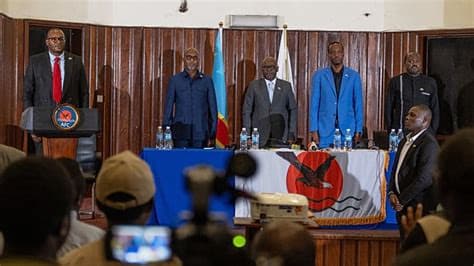
AI Image Disclaimer: The visual elements in this article are AI-generated illustrations depicting diplomatic settings and abstract representations of geopolitical maps, designed to reflect the themes of international relations without showing real political leaders or specific contested territories.
Sources: BBC News, Euronews, The Guardian, CNN, Al Jazeera
Published by Banx Network. This article is part of the Banx decentralized media programme, powered by the BXE token on the XRP Ledger.