Key Highlights
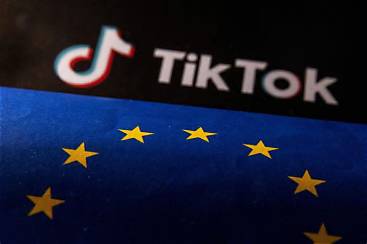
- EU Findings:The European Commission has identified potential violations of the Digital Services Act by TikTok.
- User Impact:Concerns focus on the platform's ability to expose users, particularly children, to harmful content.
- TikTok's Response: The company has rejected the EU's accusations, labeling them as inaccurate.
The European Commission has taken a significant step in regulating social media platforms by preliminarily finding that TikTok's personalized 'For You' feed may violate the Digital Services Act. This act aims to protect users from harmful content, particularly targeting vulnerable groups such as children. The Commission's findings suggest that TikTok's algorithm can lead users into 'rabbit holes' that promote negative emotions, including sadness and isolation, as well as unhealthy body image perceptions.
In its assessment, the Commission highlighted that the current controls in place on TikTok may not be sufficient to prevent users from being repeatedly exposed to harmful content. The repeated recommendations made by the algorithm can create a cycle that traps users in a loop of distressing material. This raises serious concerns about the platform's responsibility to safeguard its users, especially minors who are more susceptible to such influences.
To address these issues, the European Commission is calling for TikTok to implement stronger design changes. These changes would include reducing the platform's reliance on viewing time as a metric for content recommendation and enhancing user controls to make them more accessible and effective. The goal is to empower users to manage their content exposure better and mitigate the risks associated with algorithm-driven feeds.
In response to the EU's findings, TikTok has firmly rejected the accusations, claiming that the Commission's statements are inaccurate. The company argues that it has taken steps to ensure user safety and that its algorithms are designed to promote positive engagement rather than harmful content. TikTok's rebuttal emphasizes its commitment to user well-being and its ongoing efforts to comply with regulatory standards.
The implications of this situation extend beyond TikTok itself, as it highlights the broader challenges faced by social media platforms in balancing user engagement with safety. As regulators worldwide scrutinize the impact of algorithmic recommendations on mental health, TikTok's case may set a precedent for how digital services are governed in the future. The outcome of this investigation could lead to significant changes in how social media platforms operate, particularly regarding their content recommendation systems.
As the EU continues its investigation, the focus will remain on how TikTok responds to these findings and whether it will implement the necessary changes to its platform. The ongoing dialogue between regulators and tech companies is crucial in shaping a safer digital environment for all users.
Published by Banx Network. This article is part of the Banx decentralized media programme, powered by the BXE token on the XRP Ledger.