In the intricate web of international diplomacy, alliances are often tested by differing views on justice and sovereignty. Recently, the European Union reaffirmed its steadfast support for the International Criminal Court (ICC), standing in opposition to criticisms leveled by U.S. Senator Marco Rubio. The statement underscores a growing divergence between Washington and Brussels on the role of global legal institutions, highlighting the complexities of multilateral cooperation in a fragmented world.
Senator Rubio has long been a vocal critic of the ICC, arguing that it oversteps its mandate and infringes on national sovereignty. His recent comments, which questioned the court’s legitimacy and fairness, were met with a firm rebuttal from EU officials. They emphasized the ICC’s crucial role in holding perpetrators of war crimes and crimes against humanity accountable, regardless of their nationality or position. For Europe, the court represents a cornerstone of the rules-based international order.
The disagreement reflects deeper philosophical differences about how justice should be administered globally. The United States, while supporting the principles of international law, has historically been wary of submitting its citizens to external judicial authority. The EU, conversely, views the ICC as an essential mechanism for preventing impunity and promoting human rights. This clash of perspectives complicates efforts to present a unified Western front on issues of global security and justice.
For diplomats, navigating this divide requires careful negotiation and dialogue. While the U.S. and EU share many strategic interests, their approaches to international institutions can vary significantly. The EU’s backing of the ICC is not just a legal stance but a political signal, affirming its commitment to multilateralism even when it conflicts with key allies. It suggests that Europe is willing to chart its own course on matters of principle.
The implications for international justice are significant. Without broad support, the ICC’s ability to function effectively is diminished. The EU’s endorsement helps bolster the court’s legitimacy, encouraging other nations to cooperate with its investigations and rulings. It also sends a message to potential violators that there are consequences for their actions, reinforcing the norm of accountability.
Public opinion in both regions is divided. In Europe, there is strong support for international law and human rights protections. In the U.S., skepticism toward global institutions remains high, particularly among conservative lawmakers. This domestic polarization influences foreign policy, making consensus difficult to achieve. The debate over the ICC is thus not just an external dispute but a reflection of internal political dynamics.
As the situation evolves, both sides will likely continue to engage in dialogue, seeking areas of common ground. While disagreements persist, the shared goal of promoting peace and stability remains a powerful motivator. The challenge lies in balancing national interests with global responsibilities, a task that requires patience and mutual respect.
Ultimately, the EU’s stance reinforces the importance of international cooperation. In a world facing complex challenges, from conflict to climate change, strong institutions are vital. By supporting the ICC, Europe affirms its belief in a world governed by law rather than force, inviting others to join in that vision.
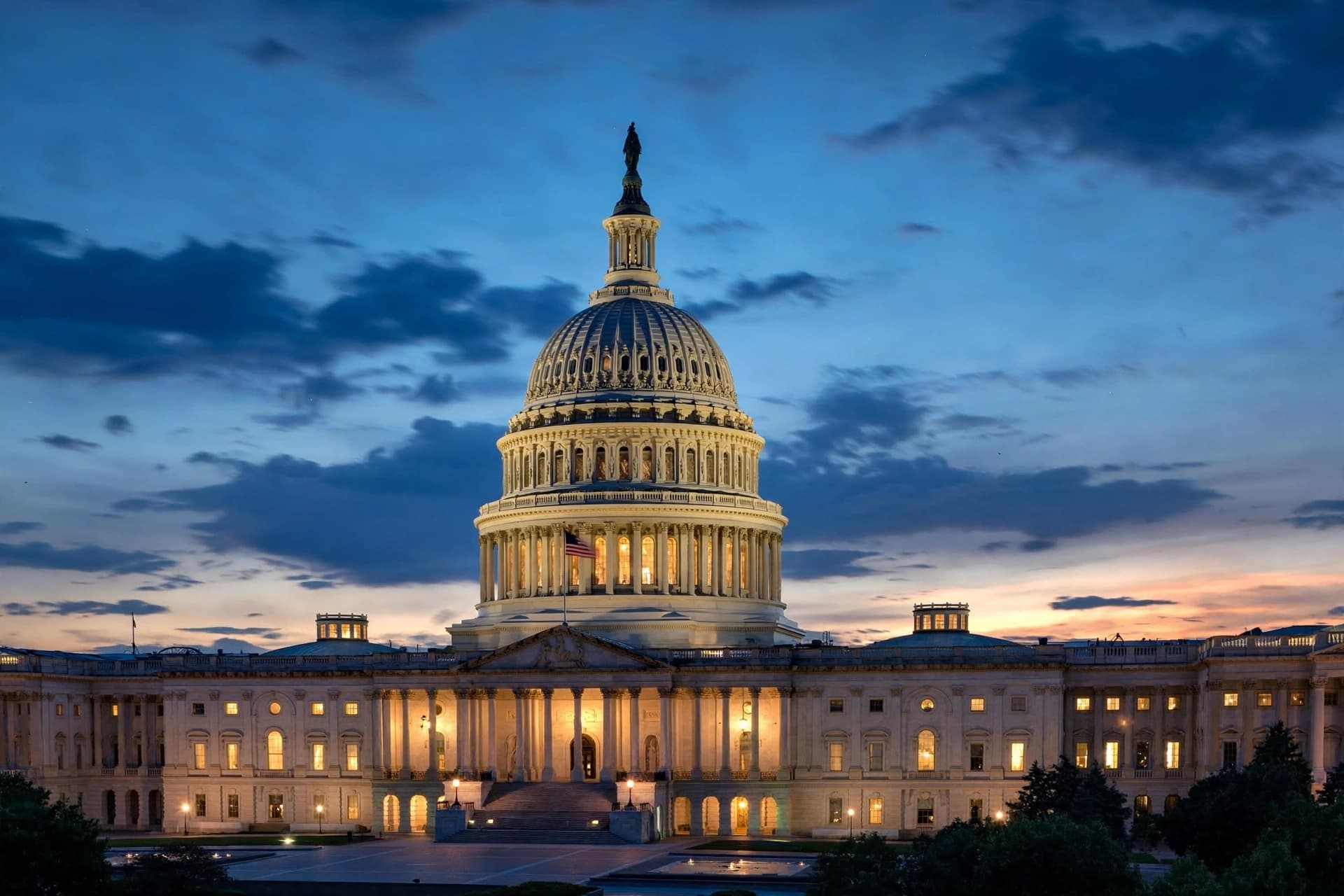
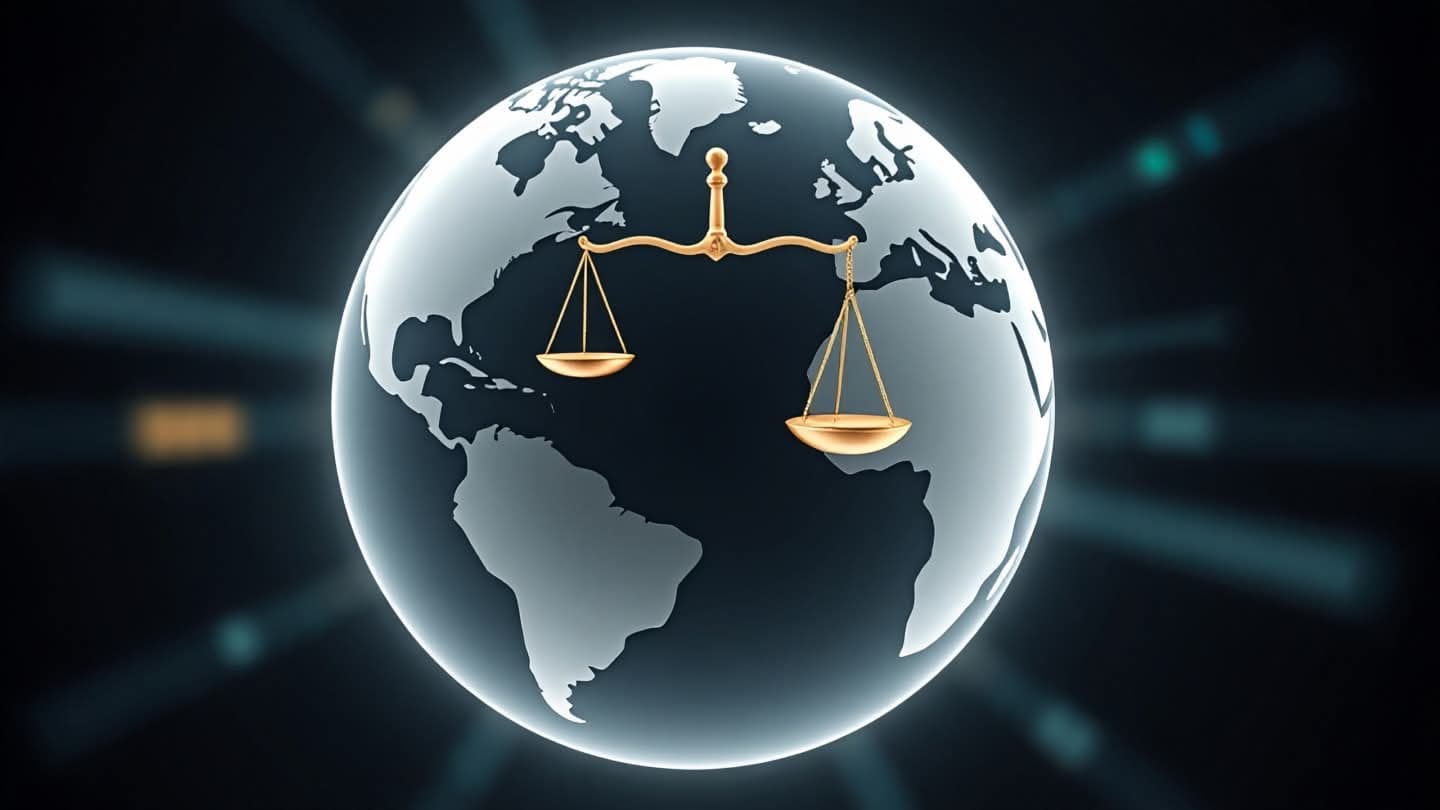
AI Image Disclaimer: Visuals in this article are AI-generated illustrations of diplomatic settings and international symbols, designed to visualize the theme of geopolitical dialogue without depicting real political figures.
Sources: Politico EU, Reuters, Euronews, The Hill
Published by Banx Network. This article is part of the Banx decentralized media programme, powered by the BXE token on the XRP Ledger.