Economic theory often resides in the abstract realms of academia, far removed from the daily realities of policy-making. Yet, when distinguished voices from the world of economics step into the public square, their words carry weight. Recently, a group of Nobel laureates has voiced support for California’s proposed tax on ultra-wealthy individuals, framing it not just as a revenue measure but as a tool for economic stability and equity. This endorsement adds intellectual heft to a contentious political debate, inviting us to consider the broader implications of wealth distribution in a modern economy.
The proposed legislation aims to impose a marginal tax on billionaires, targeting those with net worths exceeding $1 billion. Proponents argue that this measure would generate significant funds for essential public services, including education, healthcare, and housing. The Nobel economists’ support hinges on the idea that extreme wealth concentration can distort market dynamics and hinder social mobility. By redistributing a small fraction of this wealth, they suggest, the state can foster a more robust and inclusive economic environment.
Critics, however, contend that such taxes may lead to capital flight, where wealthy individuals relocate to states with more favorable tax regimes. They argue that this could ultimately reduce the tax base and harm the state’s economy. The Nobel laureates counter this by pointing to studies showing that migration decisions are influenced by a myriad of factors beyond tax rates, including quality of life, infrastructure, and business ecosystems. They suggest that the impact on relocation may be less severe than feared.
The endorsement also highlights a growing consensus among some economists about the need for progressive taxation. In an era of widening inequality, traditional models of trickle-down economics are being re-evaluated. The laureates argue that investing in human capital through public services yields higher long-term returns than allowing wealth to accumulate indefinitely at the top. This perspective shifts the narrative from punishment to investment in societal well-being.
California’s position as a global economic powerhouse makes this experiment particularly significant. If successful, it could serve as a model for other states and even nations grappling with similar disparities. The visibility of the Nobel support lends credibility to the proposal, potentially influencing public opinion and legislative outcomes. It transforms a local policy issue into a case study for global economic thought.
Political reactions in Sacramento have been mixed. While some lawmakers embrace the academic backing, others remain cautious about the practical implementation and legal challenges. The constitutionality of wealth taxes has been debated in other jurisdictions, and California must navigate these legal waters carefully. The economists’ support does not resolve these legal hurdles but provides a strong theoretical foundation for the policy.
Public discourse on the issue reflects deep divisions about fairness and responsibility. For many, the idea of taxing billionaires resonates with a sense of justice, while others view it as an infringement on property rights. The Nobel laureates’ involvement elevates the conversation, encouraging a more nuanced understanding of the economic mechanisms at play. It invites citizens to look beyond slogans and consider the data-driven arguments for and against the tax.
The support of Nobel economists for California’s billionaire tax underscores the evolving dialogue on wealth and equity. As the state considers this pioneering legislation, the balance between economic theory and political practicality will determine its fate. The outcome will offer valuable insights into the role of taxation in shaping a fairer society.
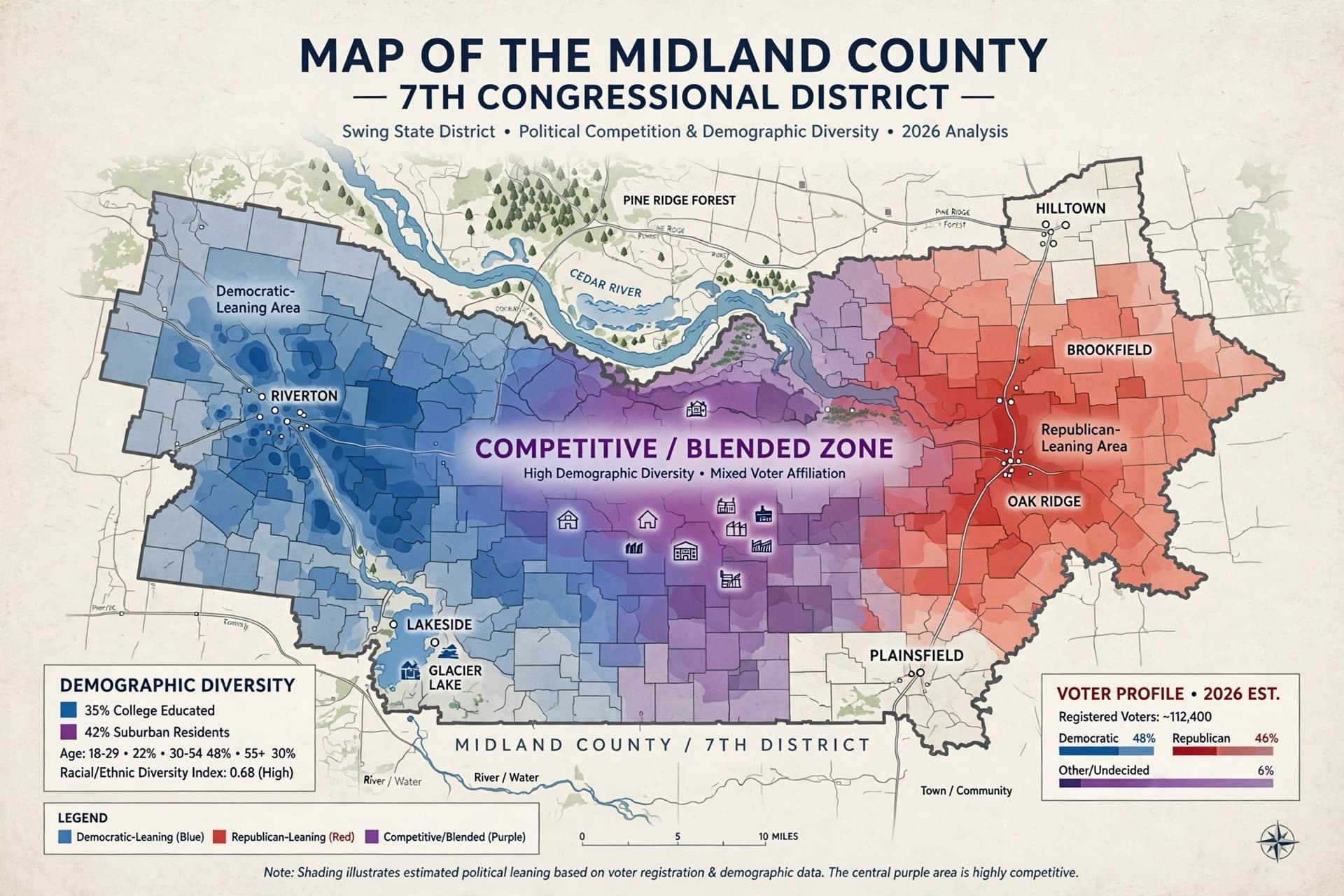
AI Image Disclaimer: Visuals associated with this article are AI-generated representations intended to visualize the economic context and should not be considered photographic evidence.
Sources: Los Angeles Times San Francisco Chronicle Bloomberg The New York Times
Published by Banx Network. This article is part of the Banx decentralized media programme, powered by the BXE token on the XRP Ledger.