In the intricate dance of American politics, alignment is often seen as survival. Yet, for some Republicans in swing states, the path to reelection requires a delicate balancing act: honoring the party base while appealing to independent voters who may be wary of former President Donald Trump’s influence. One such politician has chosen to carve out a distinct identity, subtly distancing himself from the former president’s rhetoric and policies. This strategy, while principled, carries significant risk in an era where political loyalty is increasingly polarized and tested.
The congressman, representing a competitive district, has avoided appearing at rallies alongside Trump and has occasionally criticized specific policy proposals associated with the former president. His approach is not one of open rebellion but of strategic differentiation. He emphasizes local issues, such as infrastructure and job creation, hoping to build a coalition based on pragmatic governance rather than ideological purity. This method reflects a traditional conservative style that prioritizes fiscal responsibility and institutional stability.
However, the political landscape has shifted dramatically in recent years. The Republican base has become more aligned with Trump’s populist agenda, making deviation from his line a potential liability. Primary challengers often use loyalty to Trump as a litmus test for authenticity, attacking moderates as insufficiently committed to the movement. For the incumbent, this means facing threats not just from Democrats in the general election but from within his own party in the primaries.
Polling data suggests that while independents appreciate the congressman’s moderate stance, it may not be enough to offset enthusiasm gaps among base voters. Turnout is a critical factor in midterm elections, and those most motivated to vote are often the most ideologically driven. By distancing himself from Trump, the lawmaker risks dampening the energy of his core supporters, who might stay home or vote for a more aligned candidate.
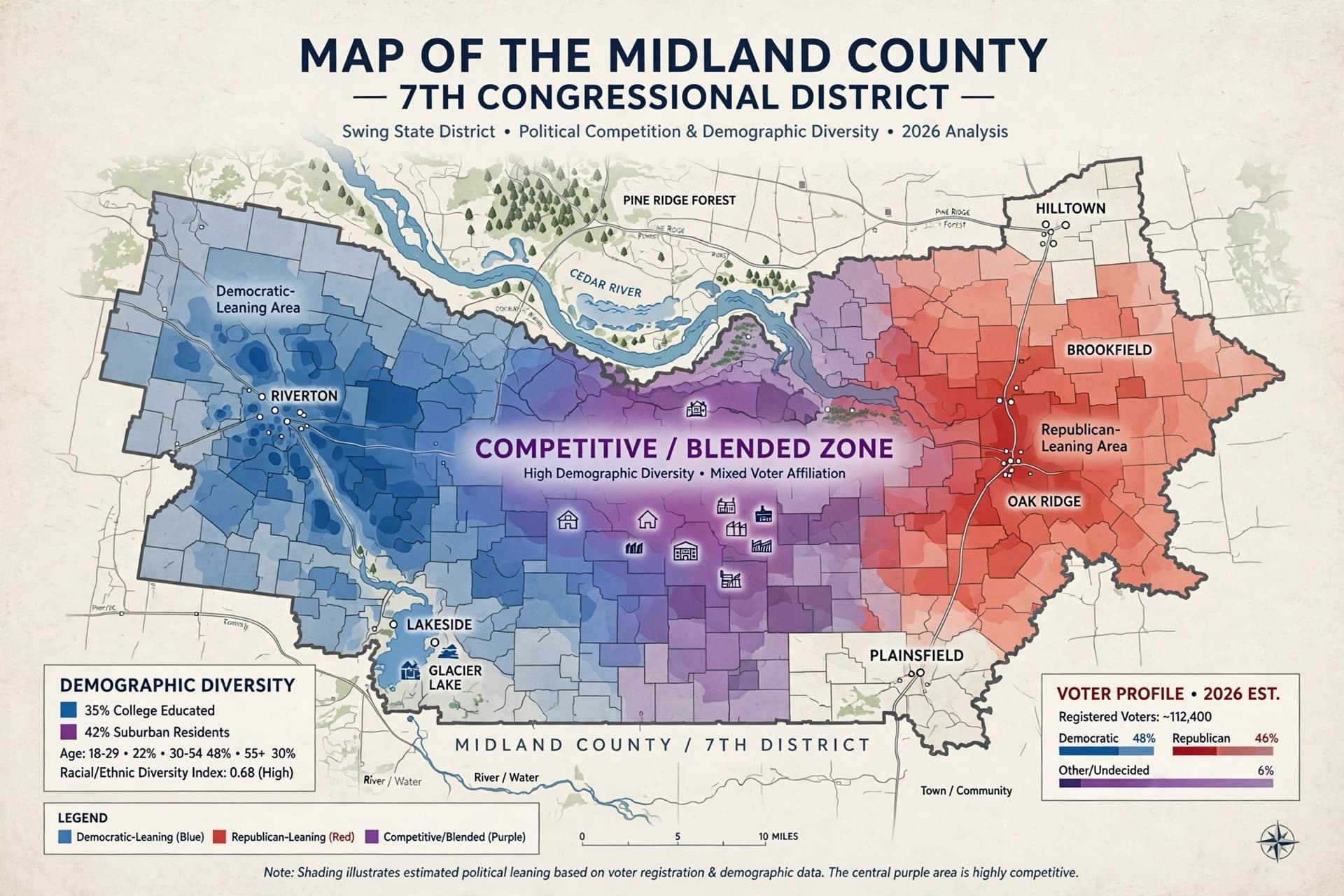
Despite these challenges, the congressman argues that his approach is necessary for long-term viability in a swing state. He believes that winning over the center is the only sustainable path to majority governance. This belief is rooted in the demographic realities of his district, which includes a mix of suburban professionals and rural workers with diverging priorities. Navigating this divide requires nuance and a willingness to defy simple categorization.
National Republican leaders have offered mixed signals, sometimes supporting the incumbent for his electability while other times endorsing primary challengers who promise stricter adherence to the Trump agenda. This ambiguity adds uncertainty to the race, leaving the congressman to rely on his own fundraising and grassroots organization. He must build a coalition that is broad enough to win but cohesive enough to withstand internal pressure.
As the midterm elections approach, all eyes will be on this district to see if moderation can still triumph in a polarized environment. The outcome will serve as a barometer for the future direction of the Republican Party and the effectiveness of distance as a political strategy. It is a high-stakes gamble that could redefine what it means to be a conservative in America.
The Republican congressman’s decision to distance himself from Donald Trump highlights the complex dynamics of modern electoral politics. While the strategy aims to appeal to swing voters, it faces significant headwinds from a mobilized base. The midterm results will reveal whether independence remains a viable path to power or if alignment has become indispensable.
AI Image Disclaimer: Visuals associated with this article are AI-generated representations intended to visualize the historical context and should not be considered photographic evidence.
Sources: The New York Times Politico The Hill FiveThirtyEight
Published by Banx Network. This article is part of the Banx decentralized media programme, powered by the BXE token on the XRP Ledger.