Dover, United Kingdom—Muzzle fog horns bellowed across grey, rolling swells just miles off the Kent coastline as a registered container freighter smashed broadside into the hull of a bulk carrier. The deafening screech of tearing steel reverberated across the water as both vessels locked together momentarily before drifting apart.
Thick mist reduced maritime visibility to less than half a mile, blinding watch officers on both navigation bridges moments before the impact occurred in one of the world's busiest shipping lanes.
Her Majesty's Coastguard and Royal National Lifeboat Institution vessels deployed immediately from southern ports, racing through choppy gray waters toward the coordinates of the collision. Maritime rescue helicopters scrambled from coastal air stations to survey structural damage from overhead.
Initial reports from marine safety inspectors confirmed that both ships suffered heavy bow and starboard plating deformations, though neither vessel lost complete watertight integrity or took on dangerous amounts of ballast water.
No crew members were reported missing or injured during the initial impact assessment, though several sailors suffered severe shock and minor cuts from flying debris inside the bridge control rooms.
Shipping traffic control authorities issued continuous radio navigational warnings to all incoming freighters, ordering vessels to reduce speed and alter courses around the disabled ships drifting in the separation zone.
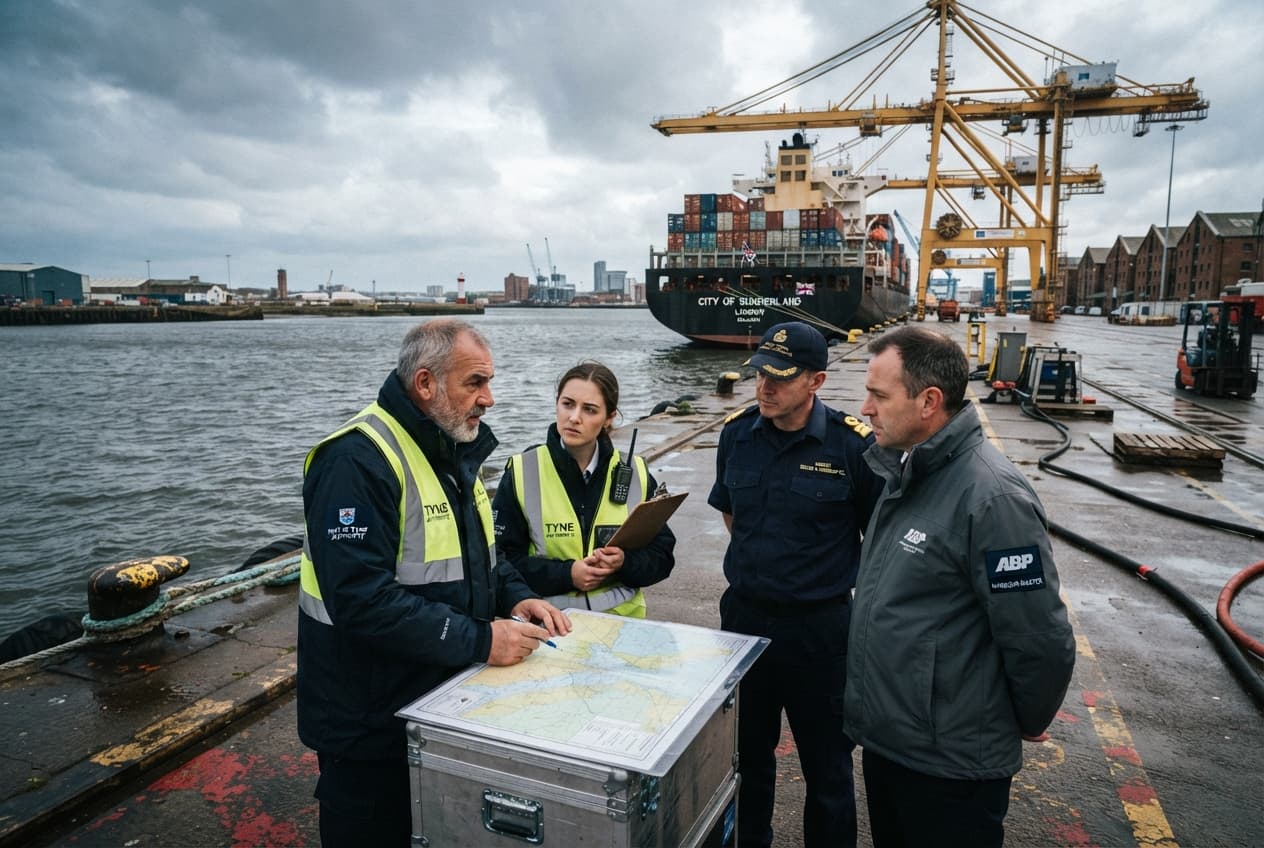
Salvage tugs steamed toward the incident area to take the damaged freighters under tow toward sheltered anchorages for formal engineering inspections and hull surveys by maritime classification societies.
Marine accident investigators boarded both vessels as they reached port, seizing voyage data recorder black boxes and radar tracking logs to determine radar watchkeeping failures and navigation rule violations.
Published by Banx Network. This article is part of the Banx decentralized media programme, powered by the BXE token on the XRP Ledger.