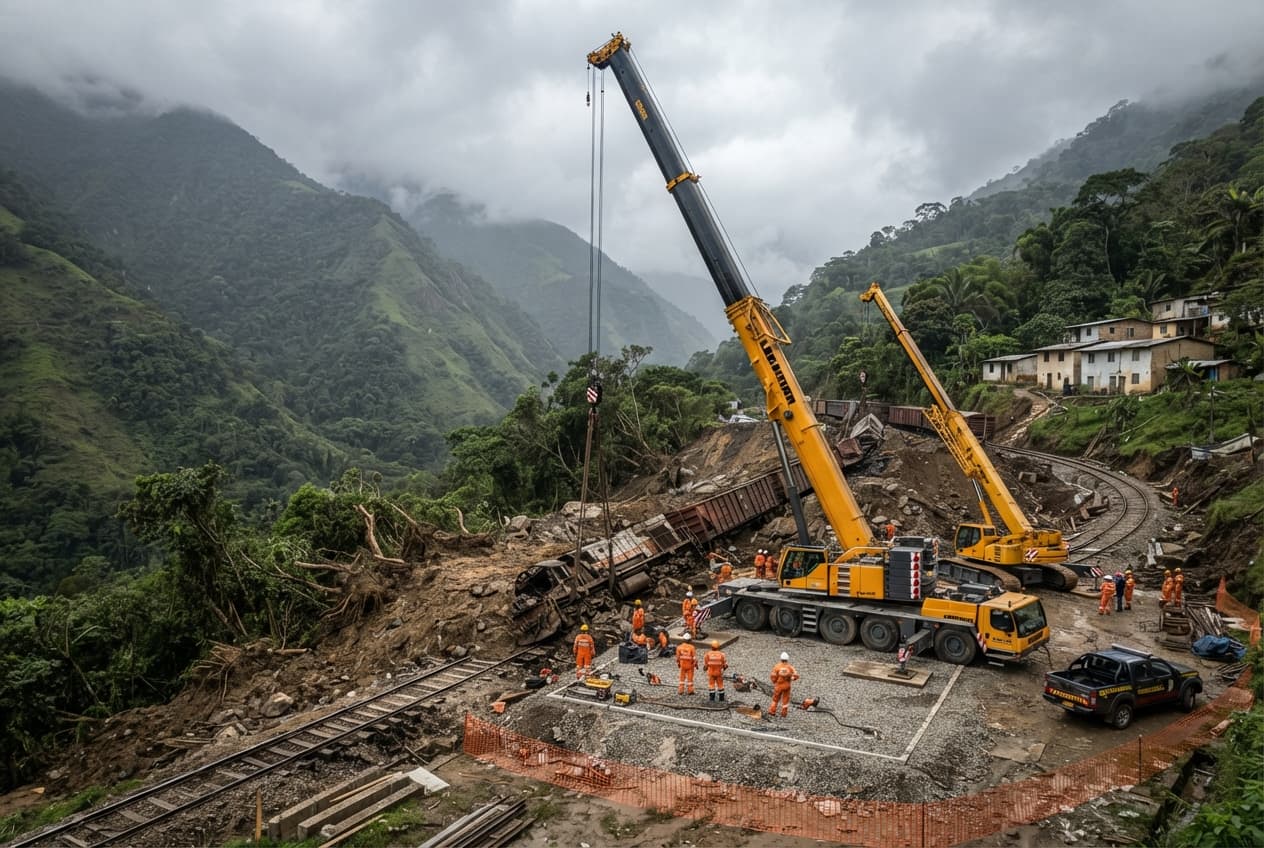
Medellín, Colombia—Heavy iron freight cars jumped the rails during a routine morning run at 9:00 AM on Monday, crushing railway maintenance workers laboring in a narrow industrial cutting. The heavy locomotive and trailing hopper cars careened off the bent steel tracks, plowing directly into the crew before coming to a violent stop. Emergency dispatchers confirmed multiple fatalities among the technical staff who had been replacing wooden sleepers along the corridor.
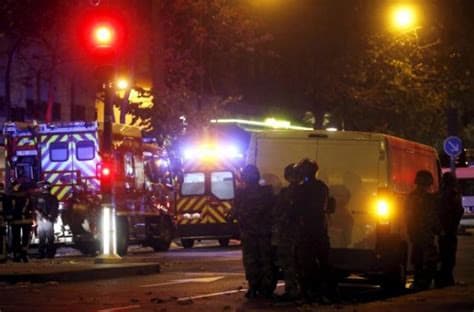
Municipal firefighters and specialized urban rescue units rushed to the isolated railway cut, navigating steep embankment slopes on foot with heavy cutting gear. Paramedics pronounced several workers dead at the site while transporting surviving crew members with critical injuries to nearby urban hospitals. National railway police cordoned off the entire right-of-way to prevent unauthorized access by onlookers and media personnel.
Company executives arrived at the derailment zone hours later, facing hostile questioning from labor union representatives regarding workplace safety protocols and communication failures. Union leaders asserted that the train operators had not received proper notification regarding active maintenance teams working on that specific track sector. Rail company administrators defended their dispatch procedures, stating that automated warning signals should have alerted both crew and operators.
Investigators from the Ministry of Transportation seized digital dispatch logs, radio transcripts, and track maintenance schedules from the regional operations headquarters. Technical inspectors examined warped steel rails and fractured wooden ties at the epicenter of the crash to determine if structural fatigue caused the derailment. Commercial cargo transport along the vital mountain railway corridor ground to an indefinite halt, affecting raw material supplies for manufacturing plants.
Industrial safety advocates condemned what they described as systemic negligence and inadequate hazard protection for track maintenance personnel working on aging infrastructure. Relatives of the victims gathered outside the municipal morgue demanding accountability and transparent explanations from corporate management. Government officials promised a thorough independent audit of all active railway maintenance contracts across the national network.
As afternoon rain began to fall over the steep valley, heavy duty hydraulic cranes arrived at the nearest access road to begin lifting the derailed hopper cars. Forensic specialists continued gathering physical evidence along the ballasted track bed while mapping the exact trajectory of the runaway cars. Labor representatives announced plans for a temporary work stoppage across all regional rail sectors in solidarity with the fallen workers.
The disaster scene remained an active investigation zone under heavy police guard as technical teams worked through the falling light to clear the blocked tracks.
Rail authorities stated that normal freight operations would not resume until every kilometer of the mountain track network underwent comprehensive safety clearance.
Published by Banx Network. This article is part of the Banx decentralized media programme, powered by the BXE token on the XRP Ledger.