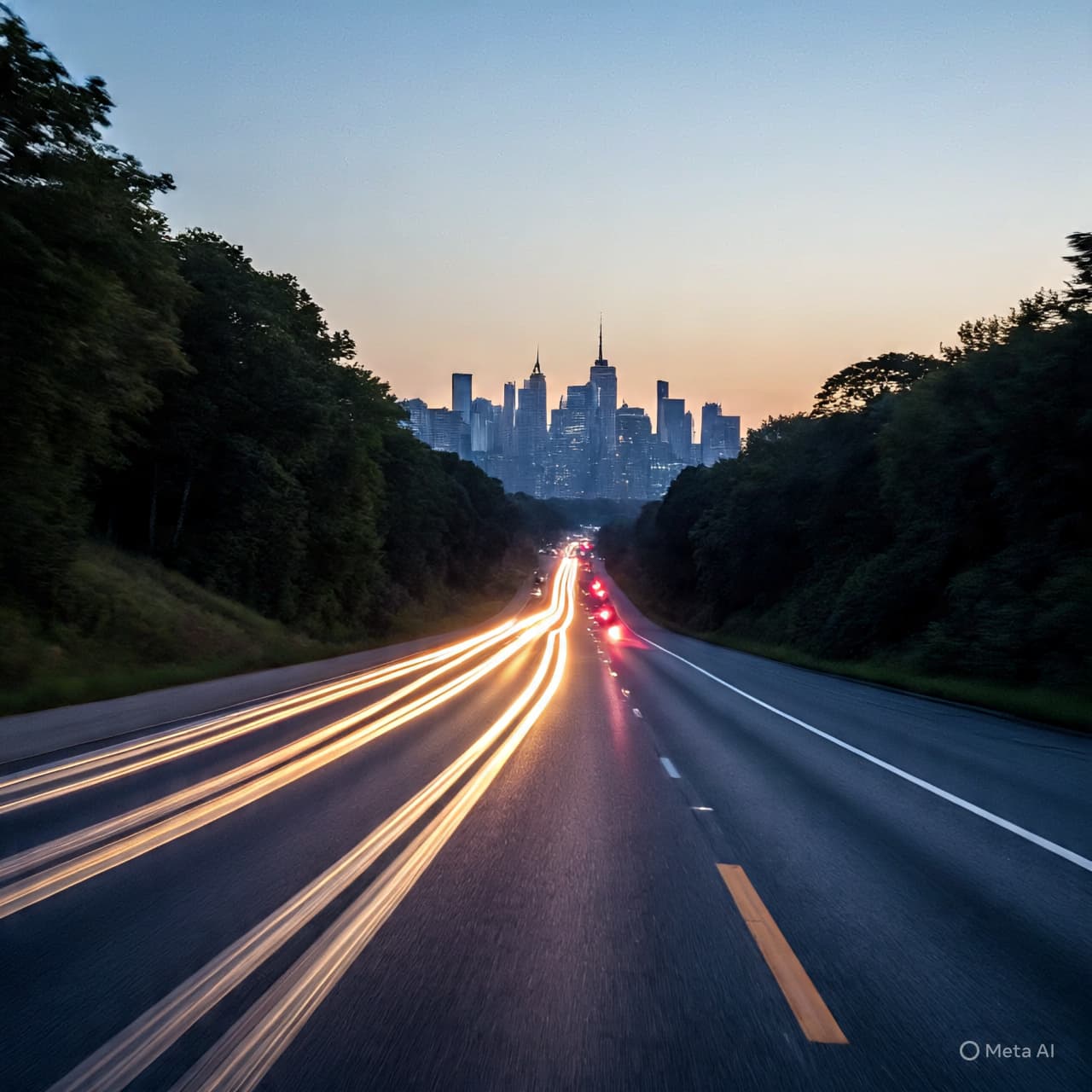
Morning traffic has its own language. The low hum at intersections, the pause before a green light, the quiet choreography of cars easing into motion. Brands pass by as silhouettes more than statements—badges half-noticed, designs absorbed almost subconsciously. Yet beneath this ordinary rhythm, the automotive world is already leaning forward, measuring what the roads of 2026 might favor.
According to analysis by Drive, some car brands are carrying more than inventory into the coming year. They are carrying momentum. Not simply in sales figures, but in how closely they seem aligned with the direction consumers and regulators are nudging the industry—toward electrification, affordability, and software-driven experience. The next twelve months, the publication suggests, may reward brands that feel less like legacy machines and more like evolving platforms.
Electric-first manufacturers remain part of that conversation, though the narrative has matured. It is no longer just about range or novelty, but about whether charging networks, pricing, and reliability can meet daily life without friction. Brands that have stabilized their supply chains and refined their production scales appear better positioned than those still chasing rapid expansion. In this quieter phase of the EV transition, consistency has become a form of innovation.
Traditional automakers, too, are finding renewed relevance—not by abandoning their past, but by translating it. Established brands with strong dealer networks and recognizable design languages are increasingly competitive as they roll out hybrid and electric models that feel familiar rather than experimental. Drive notes that this balance—new technology wrapped in trusted identity—may resonate strongly in markets where buyers are cautious but curious.
There is also a growing undercurrent of interest in newer entrants, particularly those from China and South Korea, whose names are appearing more frequently in showrooms and shortlists. Their appeal lies less in prestige than in proposition: high feature counts, aggressive pricing, and rapid development cycles. As cost-of-living pressures shape purchasing decisions, value has become a powerful form of potential.
Technology, once a headline, now hums in the background. Software updates, driver assistance systems, and connected services are increasingly expected rather than celebrated. Brands that integrate these elements smoothly—without overwhelming drivers—stand to gain quiet loyalty. In this sense, the most promising cars of 2026 may be the ones that disappear into daily life most effortlessly.
As the year approaches, no single badge holds the road alone. The potential Drive identifies is spread across companies willing to listen to the tempo of change rather than race ahead of it. In traffic, after all, progress is rarely about speed. It is about timing—knowing when to move, when to wait, and how to travel with the flow already forming ahead.
AI Image Disclaimer Visuals are AI-generated and serve as conceptual representations.
Sources Drive Automotive industry analysts Electric vehicle market researchers Global auto manufacturers’ reports
Published by Banx Network. This article is part of the Banx decentralized media programme, powered by the BXE token on the XRP Ledger.