The price of gasoline is a metric that touches nearly every aspect of American life, from the cost of groceries to the commute to work. It is a number that fluctuates with global tensions, supply chains, and political decisions. Recent discussions about a potential oil deal with Venezuela have sparked hope among some that prices might decrease. However, experts urge a measured perspective, reminding us that the global energy market is a complex web where simple solutions are rarely straightforward.
The proposition involves easing sanctions on Venezuela to allow increased oil exports to the United States. Proponents argue that adding Venezuelan crude to the global supply could help stabilize prices, particularly if other sources are constrained. For consumers feeling the pinch at the pump, this possibility offers a glimmer of relief. It suggests a pragmatic approach to energy security, prioritizing affordability over strict geopolitical containment.
However, energy analysts caution that the impact may be limited. Venezuela’s oil infrastructure has suffered from years of underinvestment and mismanagement. Restoring production to levels that would significantly influence global markets requires time, capital, and technical expertise. Even if sanctions are lifted, the immediate surge in supply may not be as substantial as hoped, meaning price effects could be marginal.
Furthermore, global oil prices are determined by a multitude of factors, including OPEC+ decisions, demand from emerging economies, and geopolitical conflicts elsewhere. A single bilateral deal, while significant, operates within this broader context. Experts note that unless the increase in supply is massive and sustained, other market forces will likely dominate price trends.
There are also political and ethical considerations. Engaging with the Venezuelan government raises questions about human rights and democratic standards. Critics argue that economic incentives should not overshadow concerns about governance and accountability. This debate highlights the tension between economic pragmatism and moral consistency in foreign policy.
Domestic production also plays a crucial role. The United States has become a major oil producer in recent years, reducing its reliance on imports. Some experts suggest that focusing on domestic efficiency and renewable energy transitions might offer more long-term stability than relying on volatile foreign sources. The conversation thus expands beyond immediate prices to broader energy strategy.
Consumer expectations must be managed carefully. While the news of a potential deal generates optimism, it is important to understand the lag between policy changes and market reactions. Gas prices are sticky and influenced by refining capacity, distribution costs, and taxes, not just crude oil prices. Therefore, any benefit may take time to materialize, if it does at all.
Ultimately, the decision rests on a balance of strategic interests. Policymakers must weigh the potential economic benefits against diplomatic and ethical costs. The expert consensus suggests that while the deal could provide some relief, it is not a silver bullet for high gas prices. A diversified approach to energy remains the most robust strategy.
The potential oil deal with Venezuela offers a possible avenue for lowering U.S. gas prices, but experts warn that the impact may be limited by production constraints and global market dynamics. While it provides a short-term option, long-term energy stability requires a broader, diversified strategy.
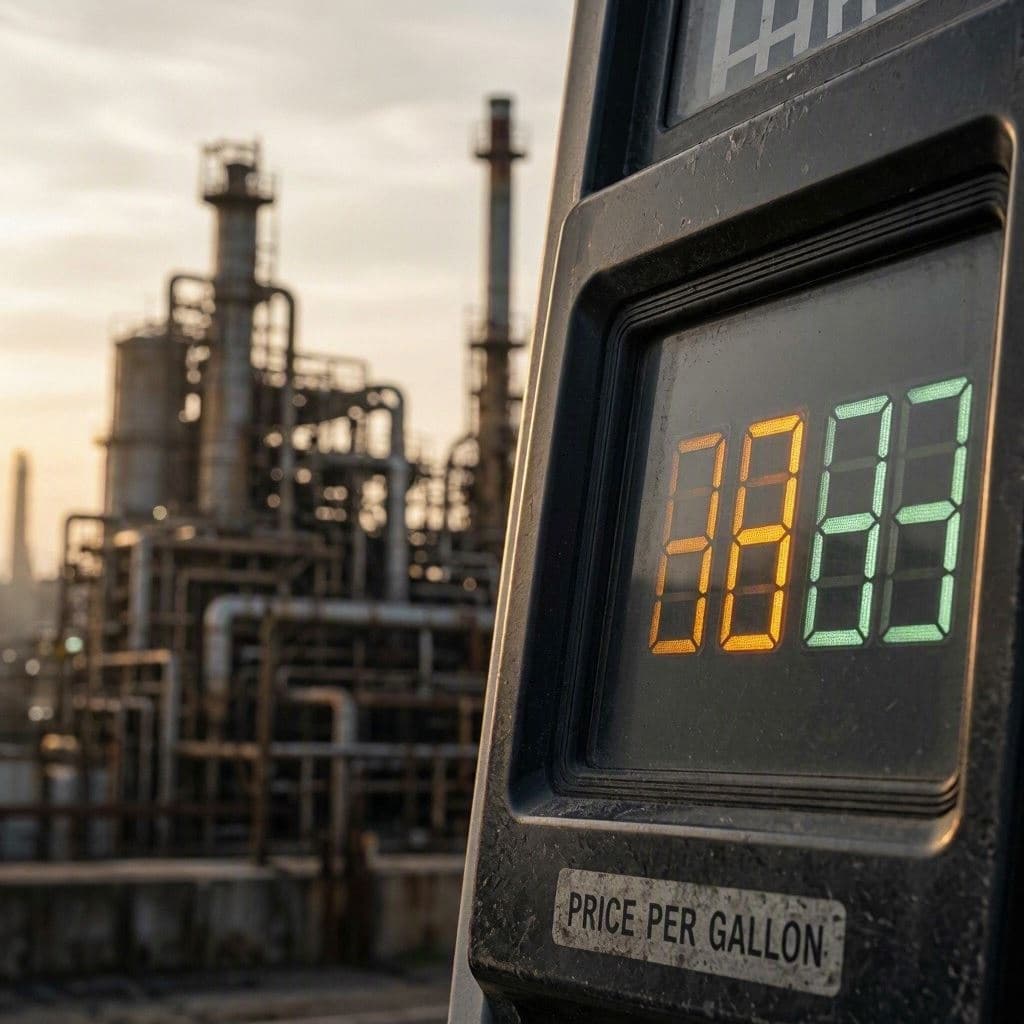
AI Image Disclaimer: The images associated with this article are AI-generated visualizations intended to symbolize the global oil market and economic analysis, using neutral imagery of refineries and charts.
Sources: Bloomberg Energy Reuters
Published by Banx Network. This article is part of the Banx decentralized media programme, powered by the BXE token on the XRP Ledger.