Austin, Texas—The lights flickered once before dying completely across three major medical centers on the east side of the city. Backup diesel generators kicked in within seconds, roaring to life against the steady hum of air conditioning units fighting a relentless July heatwave. Outside, transformers hissed and popped along Interstate 35 as local power demand smashed previous summer records. Grid operators had warned about capacity constraints for weeks, but the warnings came and went without substantive infrastructure upgrades. Now, the system was simply burning out under its own weight.
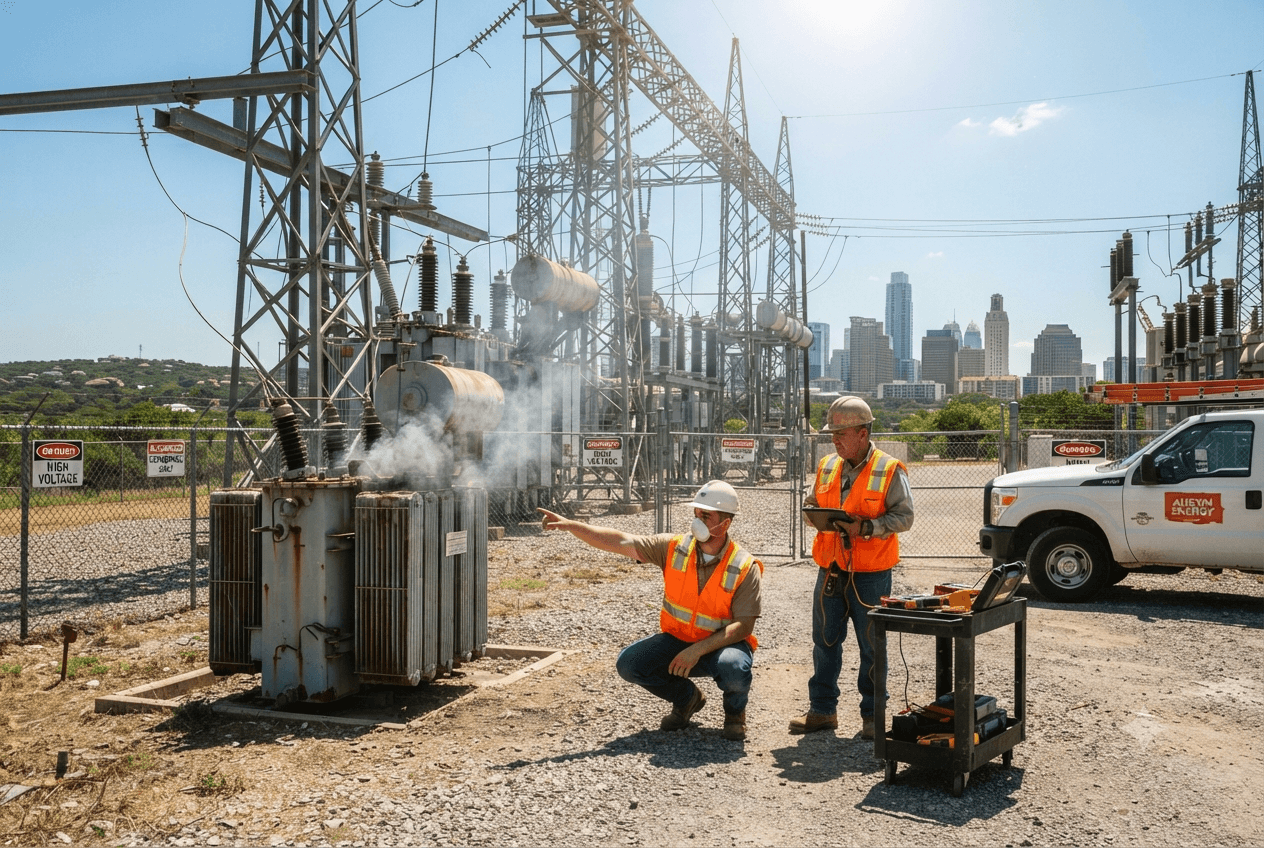
Emergency room doors remained open, but intake computers flickered on auxiliary circuits while staff scrambled to secure portable cooling fans for recovery wards. City officials declared a state of emergency shortly after noon as hospitals halted non-urgent surgeries to conserve power reserves. The regional transmission organization confirmed that at least four major substations tripped offline simultaneously due to extreme thermal overload. Maintenance crews were dispatched immediately, but buckling asphalt and heavy traffic slowed response times to a crawl.
We are operating at maximum load limits with zero margin for error right now, said regional grid spokesperson Marcus Vance during a hastily assembled parking lot briefing. Every megawatt we pull from neighboring districts is spoken for, and the weather forecast offers no relief for the next seventy-two hours.
Downed power lines sparked spot fires in dry brush along the northern county line, drawing local volunteer fire departments away from urban response zones. Traffic lights blinked dark at major intersections, turning morning commutes into chaotic gridlock monitored by bewildered traffic cops waving flashlights in the blinding glare. Local residents crowded convenience stores to buy blocks of ice, finding empty coolers and handwritten signs cash only taped to locked front doors.
Municipal water pumps suffered pressure drops as backup generators struggled to pull adequate voltage from the stressed distribution network. Health inspectors advised boiling tap water across three zip codes as a precautionary measure against potential contamination from untreated runoff. The state utility commission faced mounting scrutiny over deferred maintenance budgets that left rural and suburban feeds vulnerable to systemic failure. Lawmakers traded accusations on social media while constituents sat sweating in unventilated living rooms waiting for relief that wasn't coming.
Engineers spent hours isolating the damaged transformers, cutting power feeds to entire residential blocks to protect the broader transmission grid from total collapse. Sirens wailed continuously down major thoroughfares as emergency services responded to heat exhaustion calls from elderly residents trapped in high-rise apartments without working elevators. Portable cooling stations set up in public gymnasiums quickly reached capacity, turning late arrivals away into the punishing afternoon sun.
The economic cost of the blackout began mounting before the sun reached its peak, halting production at several light industrial parks along the eastern corridor. Corporate executives blamed regulatory inaction for the rolling failures, pointing to years of ignored engineering reports detailing the exact vulnerabilities exposed today. Utility executives declined on-camera interviews, releasing brief written statements promising restoration within an unspecified window.
Repair crews worked in stifling trench conditions with arc welders casting eerie blue light against the smoke-stained concrete walls of the main substation. Safety inspectors monitored internal temperatures of neighboring transformers to prevent secondary explosions from rippling through the downtown grid. Water trucks sprayed down overheating equipment blocks to drop operating temperatures by critical margins.
The afternoon shift at the county trauma center managed incoming emergency traffic by flashlight while technicians worked desperately to reconnect primary fiber optic data lines. No immediate fatalities were reported directly tied to the power loss, but intensive care physicians expressed grave concern over vulnerable patients dependent on continuous mechanical ventilation.
Repair crews continue replacing melted copper windings at the primary substation while thousands of households remain without air conditioning heading into the evening hours.
Published by Banx Network. This article is part of the Banx decentralized media programme, powered by the BXE token on the XRP Ledger.