In the industrial landscape of Tasmania, where the hum of machinery once signaled prosperity and progress, a silence has fallen. Liberty Bell Bay, Australia’s only manganese alloy smelter, has officially entered liquidation after a decisive vote by its creditors. This marks the end of an era for the facility, which has been a cornerstone of the local economy for decades. The decision, described by the Tasmanian government as "deeply disappointing," reflects the harsh realities of global markets and financial sustainability. It is a moment of transition, fraught with uncertainty for workers and the community, yet also an opportunity for reflection on the future of industrial manufacturing in Australia.
The voting meeting, held recently, saw creditors appoint EY Parthenon as liquidators, tasked with winding up the company’s affairs. The move comes after months of financial struggle, during which the smelter faced rising energy costs, supply chain disruptions, and competitive pressures from overseas producers. Despite efforts to secure additional funding and restructure operations, the business could not achieve viability. The liquidation process will involve selling assets, paying off debts, and managing the exit of employees.
For the approximately 200 workers employed at the site, the news is devastating. Jobs are not just sources of income but identities and communities. The loss of employment affects families, local businesses, and the broader social fabric of Bell Bay. Union representatives and government officials are working to provide support services, including career counseling and financial advice, to help displaced workers navigate this difficult period. The hope is to minimize the long-term impact on their livelihoods.
The Tasmanian government has expressed regret over the outcome, noting the strategic importance of domestic manganese production. Manganese is a critical component in steel manufacturing, and having a local source reduces reliance on imports. The closure raises questions about national industrial policy and the support available for essential industries. Debates are likely to continue regarding how best to protect and sustain such facilities in a globalized economy.
Creditors, including suppliers and financial institutions, face significant losses. Reports indicate that the company may have been trading while insolvent for nearly a year, raising legal and ethical questions about management decisions. The liquidators will investigate these matters, ensuring that all parties are treated fairly according to the law. Transparency and accountability are crucial in restoring confidence in the business sector.
The environmental implications of the shutdown are also being considered. Smelters can leave behind hazardous materials, and proper decommissioning is essential to protect the local environment. Regulatory bodies are overseeing the process to ensure that cleanup standards are met. This aspect of liquidation is vital for the long-term health of the community and the land.
For the region, the closure is a blow to economic diversity. Bell Bay has long been an industrial hub, and the loss of its flagship operation requires a reimagining of its future. Opportunities may arise in renewable energy, tourism, or other manufacturing sectors, but the transition will take time and investment. Community leaders are calling for a coordinated plan to revitalize the area and create new jobs.
As Liberty Bell Bay enters liquidation, the focus shifts to supporting those affected and planning for the future. The end of the smelter is a significant chapter in Tasmania’s industrial history, marking both a loss and a potential turning point. In navigating this change, resilience and collaboration will be key to building a sustainable path forward.
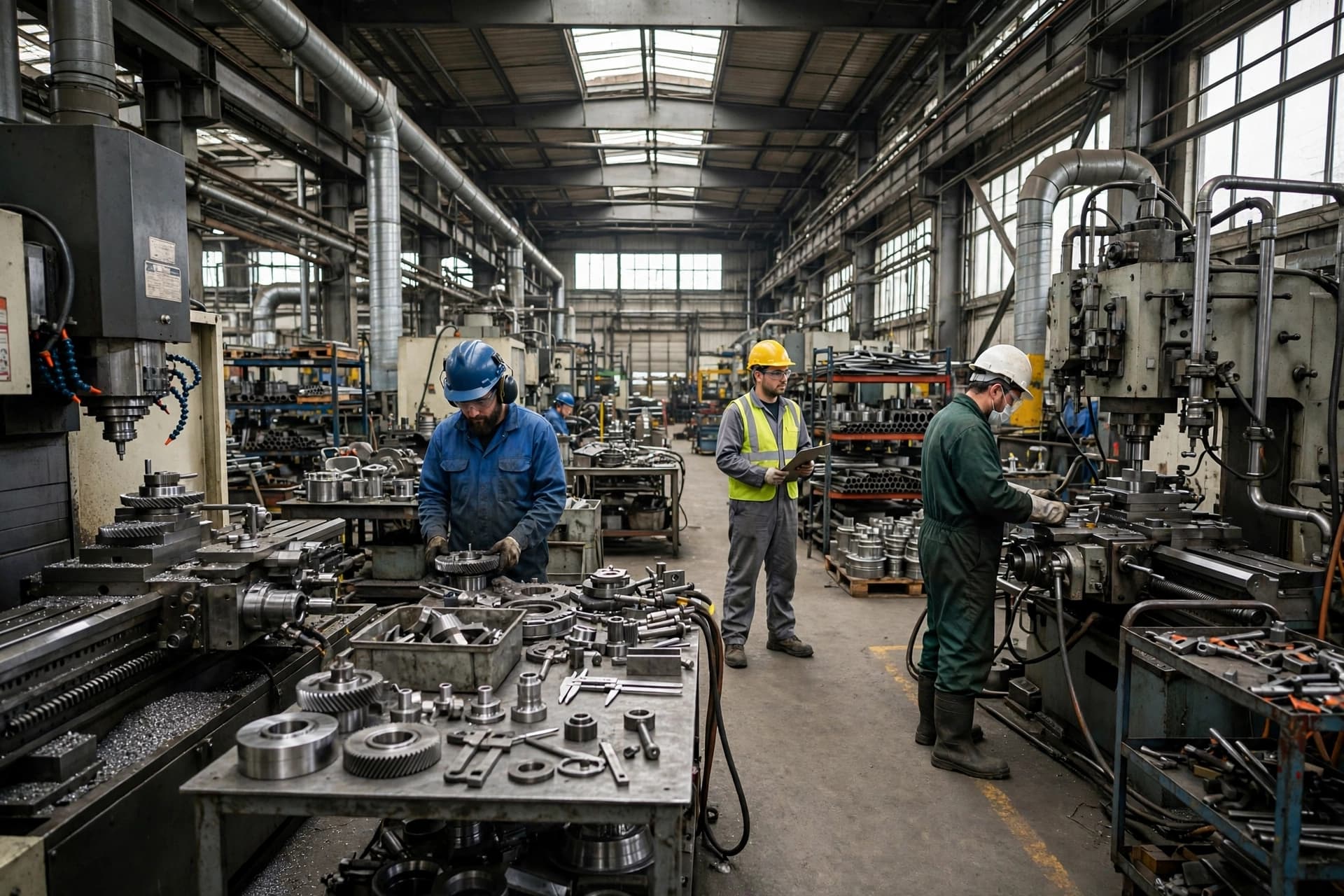
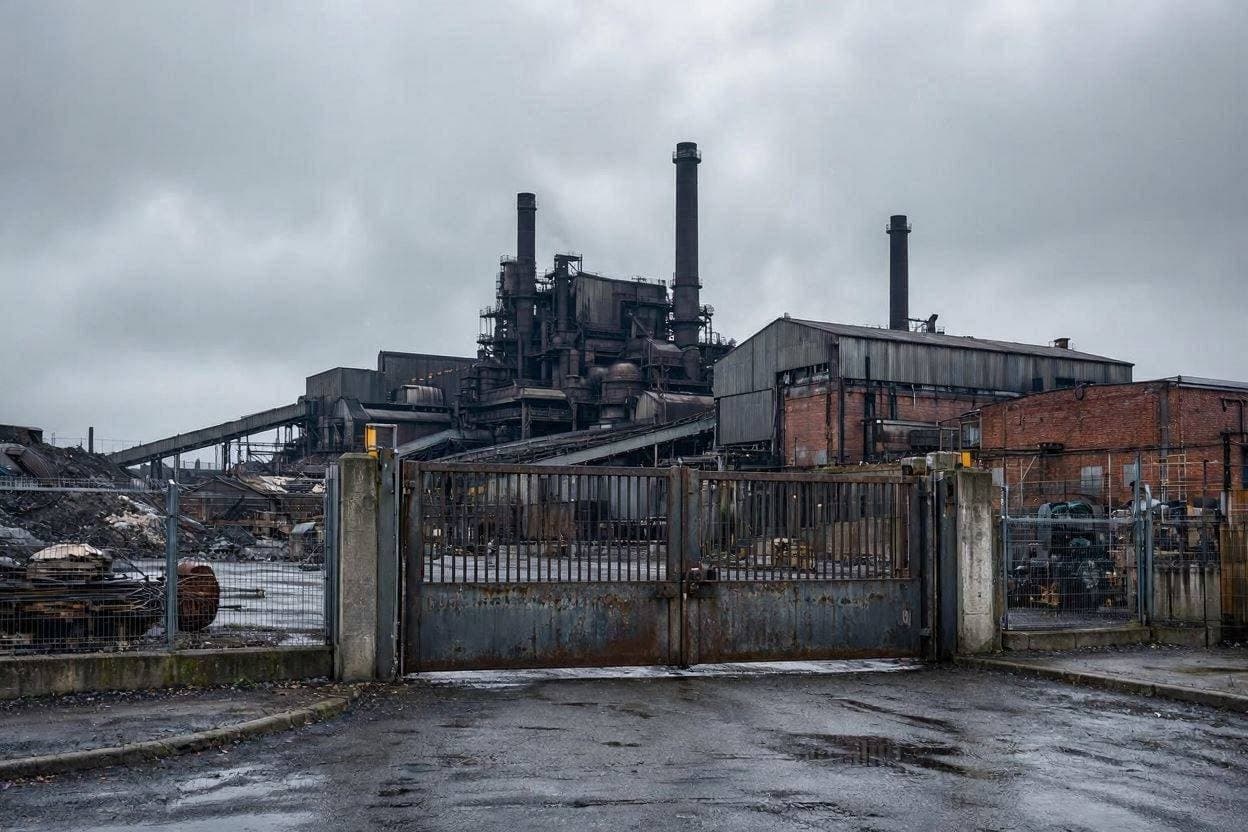
AI Image Disclaimer: The images associated with this article are AI-generated illustrations designed to represent the themes of industrial closure and economic transition.
Sources: ABC News, The Mercury, Pulse Tasmania, Discovery Alert
Published by Banx Network. This article is part of the Banx decentralized media programme, powered by the BXE token on the XRP Ledger.