There is a particular kind of wonder that comes from looking at something familiar and discovering it is not what we thought. Saturn's moon Enceladus has been studied for years, its geysers analyzed, its subsurface ocean mapped, its potential for life debated. And yet, new research suggests that the very process by which its icy plumes form is more peculiar than anyone had realized—and that peculiarity may make the search for life easier rather than harder.
Two studies published this month in Science Advances, led by planetary scientists at Freie Universität Berlin, have upended assumptions about how Enceladus's ice grains form and what they carry . For years, scientists believed that water droplets from the moon's hidden ocean froze instantaneously as they erupted through cracks in the icy crust, preserving their composition like a photographic snapshot. The new findings show something different: the droplets freeze slowly, and in that slowness, they separate.
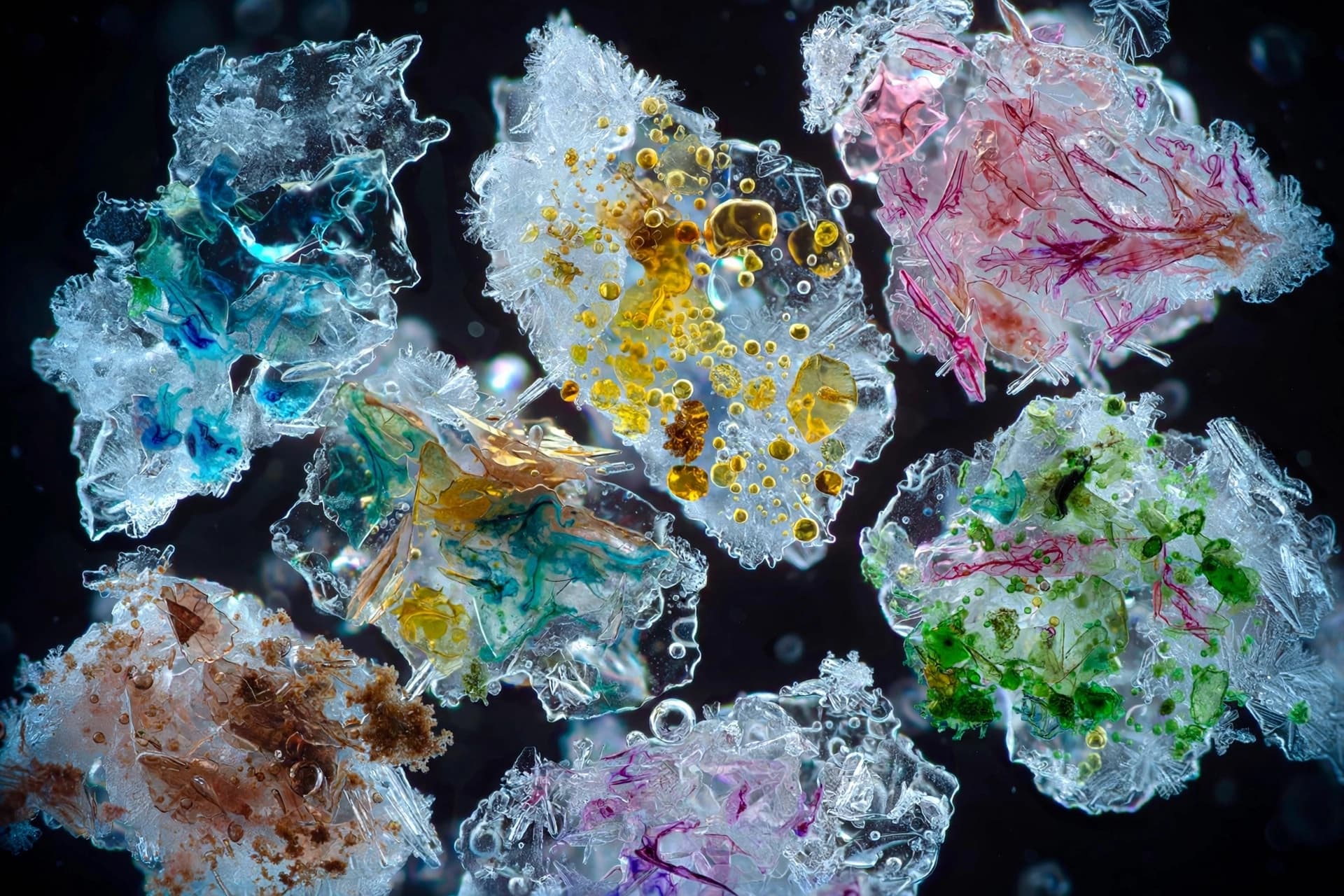
The process begins at the ocean's surface, where gas bubbles rise and burst, launching droplets into the frigid vacuum of the cracks. What happens next is a kind of natural chromatography. As the droplets freeze gradually, dissolved salts and organic materials migrate to different locations within each particle. Sodium chloride separates from sodium carbonate. Organic compounds cluster in specific zones .
Then the droplets accelerate. Traveling at speeds of up to 1,000 kilometers per hour, they smash into the walls of the icy fissures and shatter into fragments just a few micrometers across. Each fragment is often dominated by a single concentrated substance—a pure sample of one component that had been dissolved in the ocean .
"It's like a laboratory technician working at the nanoscale," said Frank Postberg, who led the study. "Enceladus actually does a lot of the work for us in preparing samples for analysis that usually take a lot of effort in chemical labs on Earth" .
For astrobiologists, this has an unexpected consequence. If microbial life exists in Enceladus's ocean, the same mechanism that concentrates salts would also concentrate biological material. A single ice grain could carry a high concentration of organic molecules from a living organism, rather than a diffuse trace spread across millions of particles. "That is great news in the search for life," Postberg said. "Future spacecraft will have to analyze many individual ice particles, but if they come across one with microbial material, they could identify biosignatures relatively easily with already available technology" .
A second study published the same day added another piece to the puzzle. Researchers found that certain microorganisms—methanogens—could tolerate conditions resembling Enceladus's alkaline ocean better than previously assumed, even under extreme carbon dioxide limitation .
The European Space Agency is planning a mission to Enceladus to search for signs of life. The new findings suggest that if life is there, the moon's own geology may be doing the hard work of preparing it for detection. A frozen droplet, shattered and concentrated, carrying the chemical signature of something alive—that is the hope. The evidence, for now, is indirect, but the direction of the science is clear: Enceladus is stranger than we knew, and stranger may mean more promising.
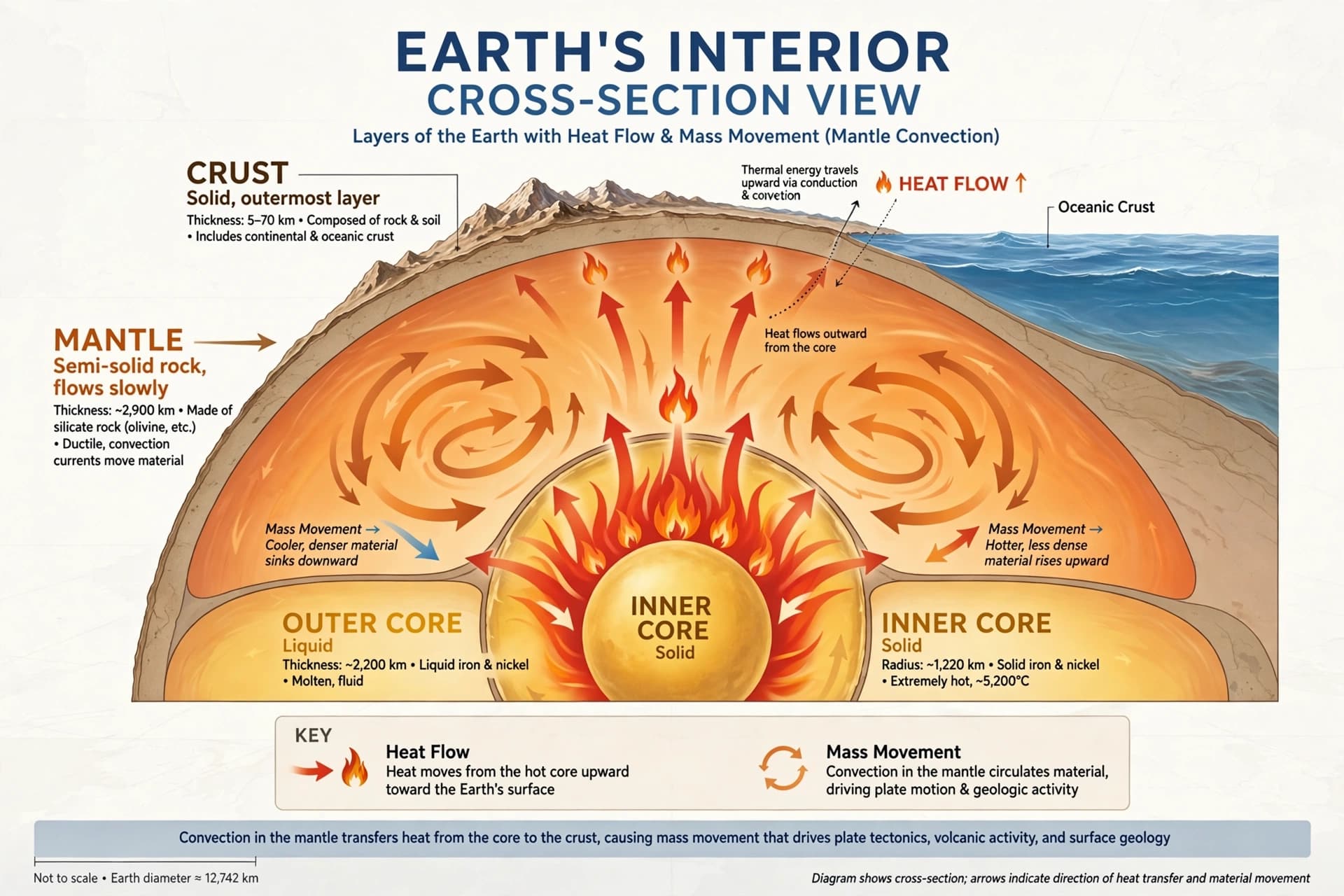
AI Image Disclaimer: The illustrations in this article were generated by artificial intelligence and are for illustrative purposes only.
Sources: Science Advances, Freie Universität Berlin, EurekAlert!, Nanowerk, AGU Journals
Published by Banx Network. This article is part of the Banx decentralized media programme, powered by the BXE token on the XRP Ledger.