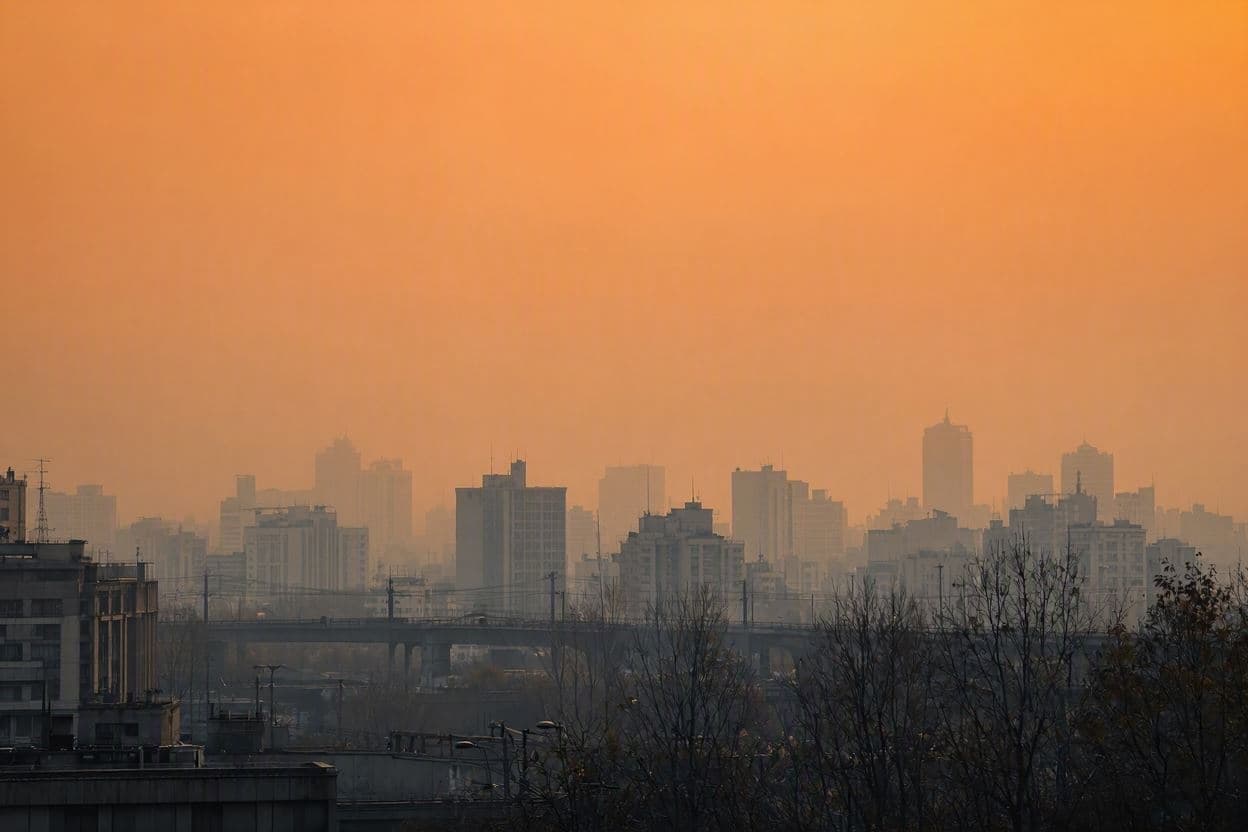
The sky over Southeast Asia has taken on a hazy, amber hue, a somber reminder of the delicate balance between human activity and natural forces. As the 'super' El Niño phenomenon strengthens its grip on the region, wildfires have ignited across landscapes, sending plumes of smoke drifting across borders. This haze, thick with particulate matter, is more than a visual obstruction; it is a health hazard that affects millions of lives. The situation invites a reflective pause on the interconnectedness of climate patterns and local environmental practices.
El Niño, a climate pattern characterized by warming sea surface temperatures in the Pacific, has led to drier-than-usual conditions in parts of Southeast Asia. These arid conditions create a tinderbox environment, particularly in areas prone to agricultural burning. Farmers often use fire to clear land for planting, a practice that, when combined with drought, can spiral out of control. The resulting smoke does not respect national boundaries, traveling hundreds of miles to affect neighboring countries.
The health implications of this haze are significant. Air quality indices in major cities have soared to hazardous levels, prompting authorities to issue warnings and advise residents to limit outdoor activities. Respiratory issues, eye irritation, and other health problems have risen, placing a burden on healthcare systems. Vulnerable populations, including children and the elderly, are particularly at risk. The haze serves as a stark indicator of the tangible costs of environmental degradation.
Governments in the region are grappling with the dual challenge of managing immediate crises and addressing long-term causes. Enforcement of bans on open burning is difficult, especially in remote areas where monitoring is limited. International cooperation has become essential, with countries sharing resources and data to combat the fires. Regional agreements aim to foster collaboration, but implementation remains a complex task involving various stakeholders.
The role of climate change in intensifying these events cannot be ignored. While El Niño is a natural cycle, rising global temperatures may exacerbate its effects, leading to more frequent and severe droughts. This context adds urgency to the need for sustainable land management practices. Alternatives to slash-and-burn agriculture, such as mechanized clearing or agroforestry, offer promising solutions but require investment and education.
Community awareness is also growing. Citizens are increasingly vocal about the need for cleaner air and accountable governance. Social media platforms have become tools for sharing real-time air quality data and organizing community responses. This grassroots engagement complements official efforts, creating a broader movement toward environmental stewardship. The shared experience of the haze fosters a sense of regional solidarity.
As the El Niño event continues to unfold, the region remains vigilant. Monitoring systems are in place to track fire hotspots and predict smoke dispersion. Preparedness plans are being refined to better protect public health in future episodes. The current situation serves as a lesson in resilience, highlighting the importance of proactive measures in the face of climate variability.
The spread of toxic haze across Southeast Asia underscores the urgent need for regional cooperation and sustainable land management amid intensifying El Niño conditions. Protecting public health requires both immediate action and long-term strategic planning.
AI Image Disclaimer: The images associated with this report are AI-generated visualizations designed to illustrate the atmospheric conditions described.
Sources: The Jakarta Post Channel NewsAsia BBC News The Guardian
Published by Banx Network. This article is part of the Banx decentralized media programme, powered by the BXE token on the XRP Ledger.