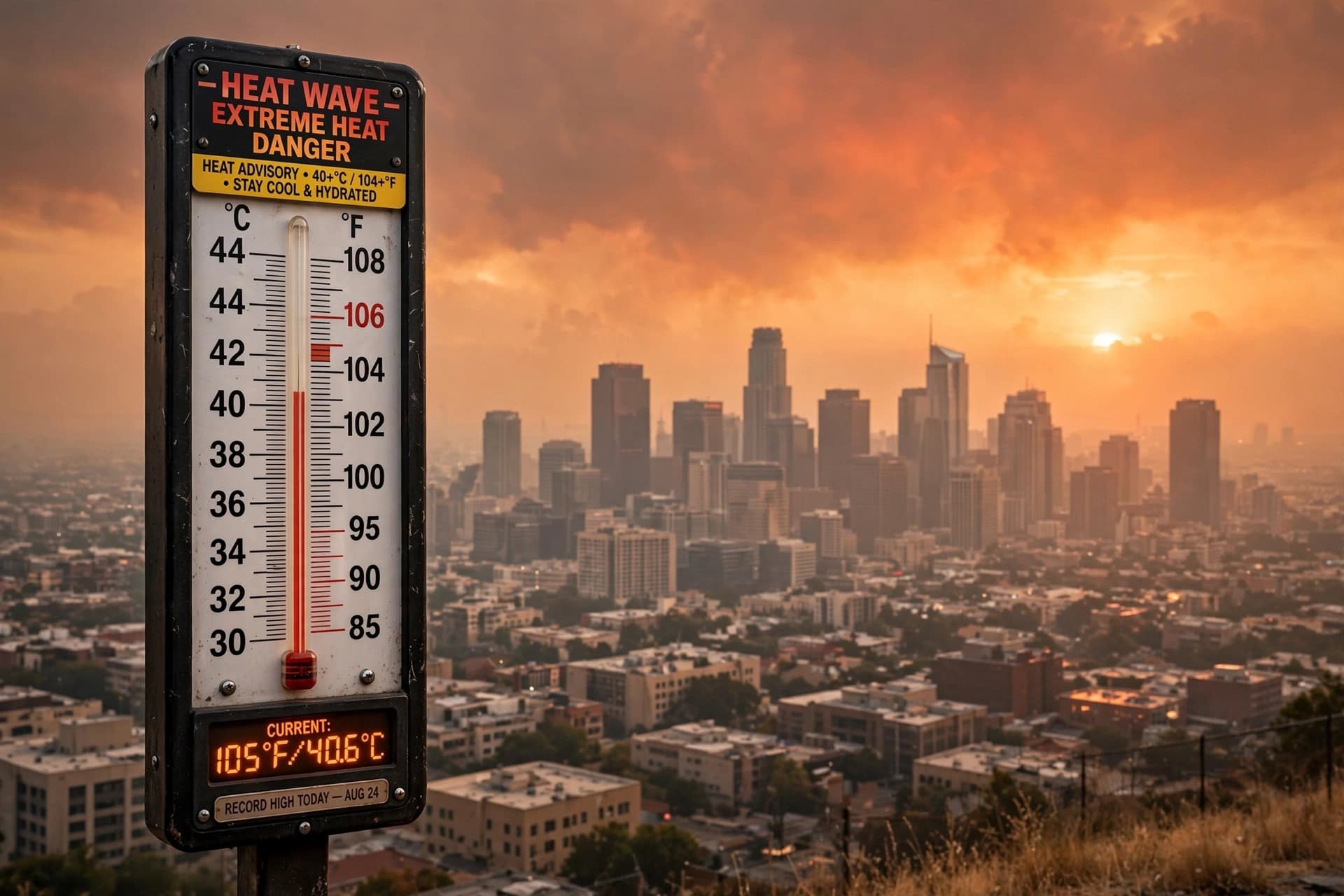
As the planet warms, the invisible hand of climate patterns reaches into the most intimate aspects of human life: health and survival. A new report warns that El Niño-driven heatwaves could result in half a million additional deaths globally, with vulnerable regions bearing the brunt of this thermal burden. This stark projection highlights the deadly intersection of natural climate cycles and long-term global warming. It is a sobering reminder that weather is not just a backdrop to our lives but a determinant of our well-being. Heat is a silent killer.
El Niño, characterized by the warming of sea surface temperatures in the Pacific, amplifies global temperatures. When combined with the baseline rise in average temperatures due to climate change, the result is extreme heat events that exceed human physiological limits. These conditions strain cardiovascular and respiratory systems, particularly among the elderly and those with pre-existing conditions. Biology meets meteorology.
The report identifies specific regions at high risk, including parts of South America, Southeast Asia, and Africa. In these areas, infrastructure for cooling and healthcare may be insufficient to handle surges in heat-related illnesses. Urban heat islands exacerbate the problem, trapping warmth in densely populated cities. Geography dictates vulnerability.
For public health officials, the forecast is a call to action. Preparedness measures, such as early warning systems, cooling centers, and public education campaigns, can mitigate the impact. However, implementation requires resources and political will. Prevention saves lives. Planning reduces risk.
The economic costs of such mortality are also significant, affecting labor productivity and healthcare systems. Beyond the human toll, heatwaves disrupt agriculture and water supplies, creating cascading effects on society. Resilience is an economic imperative. Stability supports growth.
Community solidarity plays a crucial role in protecting the most vulnerable. Neighbors checking on the elderly and sharing resources can make a difference during extreme events. Compassion is a powerful tool. Connection sustains life.
As the El Niño event continues to influence global weather, monitoring and adaptation become essential. Scientists urge governments to integrate climate health risks into their policy frameworks. Knowledge empowers action. Science guides policy.
In the end, the potential for half a million extra deaths is a tragedy that is largely preventable. It challenges us to confront the realities of a changing climate with urgency and empathy. Protecting human life requires collective effort. Care is our duty.
AI Image Disclaimer: The images accompanying this article are AI-generated artistic interpretations of heatwaves and global health themes, not actual photographs of specific heatwave impacts or medical facilities.
Sources: The Lancet Planetary Health BBC News World Health Organization
Published by Banx Network. This article is part of the Banx decentralized media programme, powered by the BXE token on the XRP Ledger.