In a week marked by significant shifts in both economic policy and cultural stewardship, two distinct events have captured national attention. The Federal Reserve is anticipated to raise interest rates, a move aimed at curbing inflation and stabilizing the economy. Simultaneously, the board of trustees for the John F. Kennedy Center for the Performing Arts has voted to temporarily close the iconic institution, citing financial and operational challenges. Together, these developments reflect a period of adjustment and recalibration for American institutions.
The expected rate hike by the Fed signals a continued commitment to tightening monetary policy. For consumers and businesses, this means higher borrowing costs, which can slow spending and investment. While painful in the short term, such measures are often necessary to prevent the economy from overheating. The decision underscores the delicate balance policymakers must strike between growth and stability, a task that requires both precision and patience.
In Washington, D.C., the Kennedy Center’s closure marks a different kind of challenge. As a beacon of artistic excellence, the center has long been a symbol of cultural vitality. However, rising operational costs and shifting audience habits have strained its budget. The board’s vote to close allows for a comprehensive restructuring, aiming to ensure the institution’s long-term sustainability. It is a difficult but perhaps necessary step to preserve its legacy for future generations.
The juxtaposition of these events highlights the interconnectedness of economic and cultural health. Just as the economy requires careful management to thrive, so too do cultural institutions need robust support and adaptive strategies. The Kennedy Center’s struggle is not unique; many arts organizations face similar pressures in a changing world. Their ability to innovate and engage new audiences will determine their survival.
For the artists and staff affected by the closure, the news brings uncertainty and concern. Many rely on the center for their livelihoods and creative expression. The board has promised support during the transition, including severance packages and assistance with finding new opportunities. This commitment to personnel is crucial in maintaining morale and trust during a period of significant change.
Public reaction has been mixed, with some expressing disappointment at the loss of a cultural hub, while others understand the financial realities. The center’s leadership has emphasized that the closure is temporary, with plans to reopen after implementing necessary reforms. This message of hope is essential in keeping the community engaged and supportive of the institution’s future.
As the Fed implements its rate hike and the Kennedy Center begins its restructuring, both entities face the task of navigating uncertainty. The economic adjustments may lead to a more stable financial environment, while the cultural reset could result in a more resilient and relevant arts institution. Both processes require time, transparency, and a willingness to adapt.
In the end, these developments serve as reminders of the dynamic nature of society. Economic and cultural institutions are not static; they evolve in response to internal and external pressures. By addressing these challenges head-on, America can emerge with a stronger economy and a more vibrant cultural landscape.
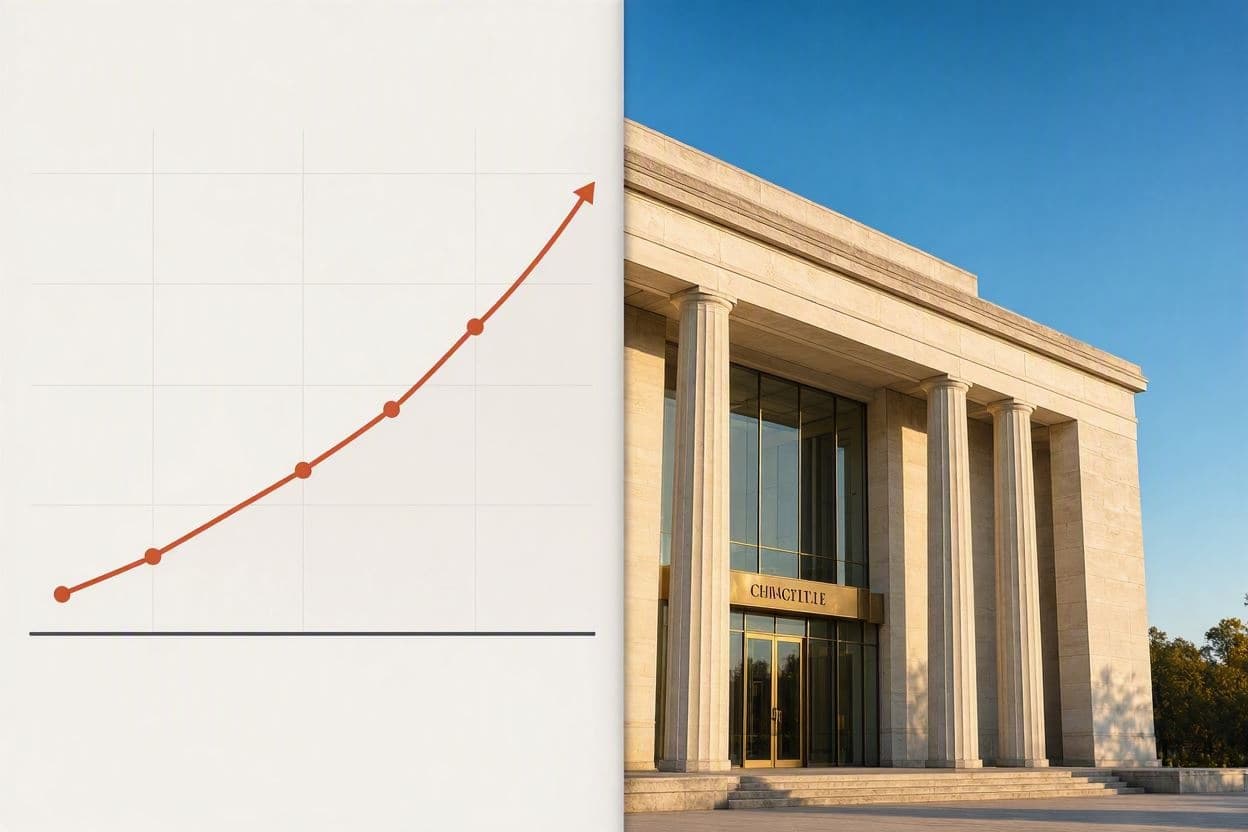
AI Image Disclaimer: The images accompanying this article are AI-generated artistic interpretations of economic and cultural concepts, not actual photographs of the Federal Reserve or the Kennedy Center.
Sources: Reuters The Washington Post Bloomberg
Published by Banx Network. This article is part of the Banx decentralized media programme, powered by the BXE token on the XRP Ledger.