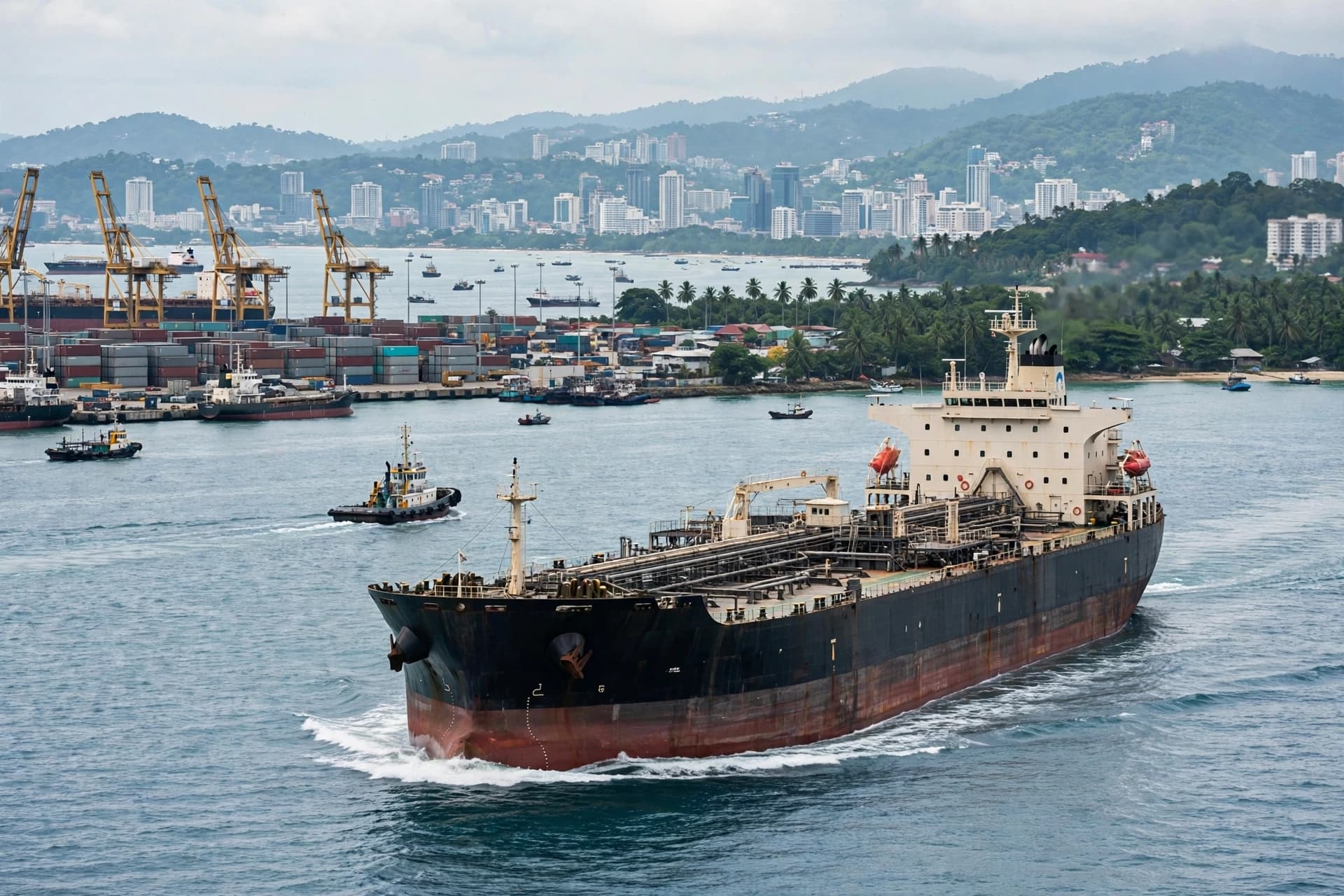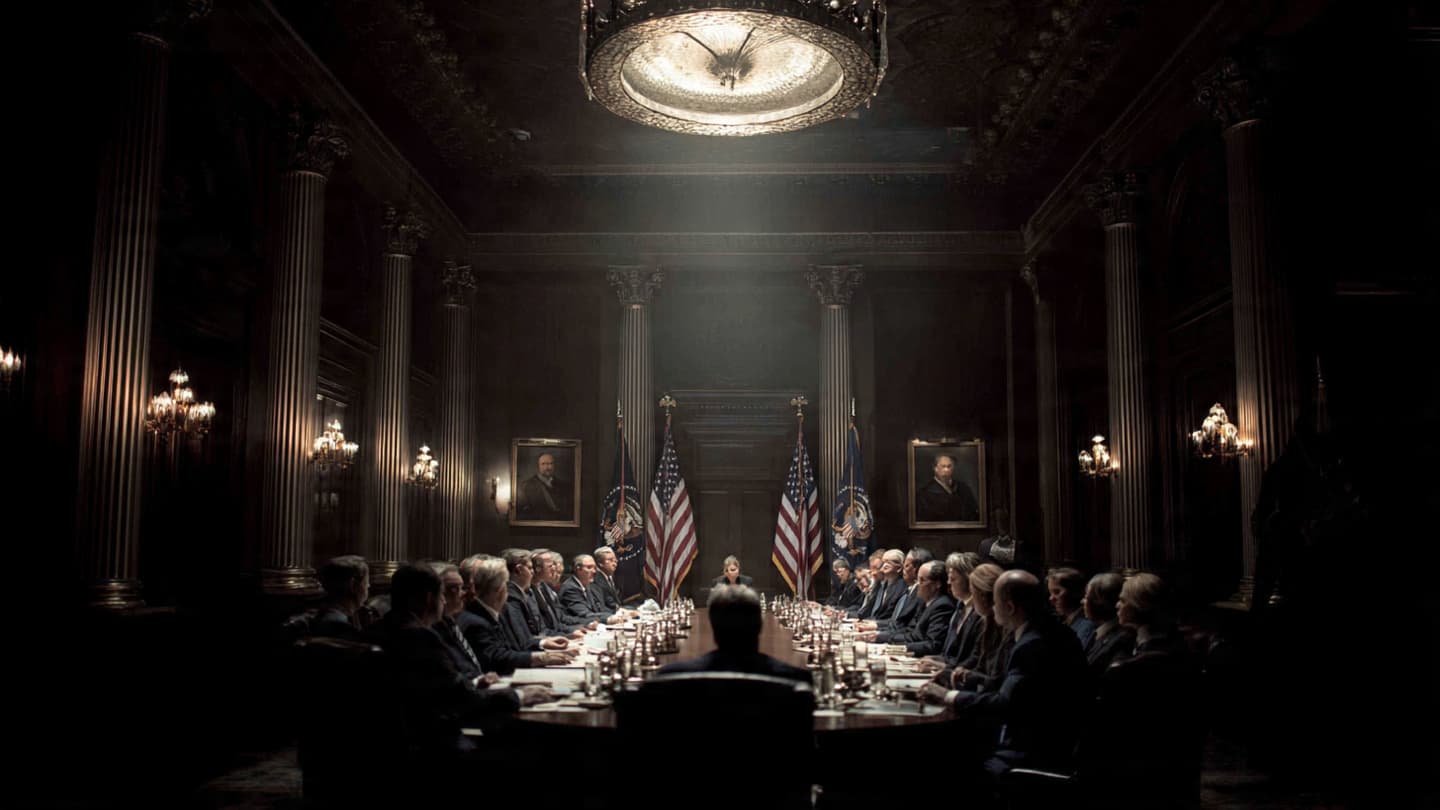
Economic uncertainty often arrives like a slow-moving storm across a crowded harbor. At first, the signs appear distant—rising prices, weakening currency values, uneasy markets—but over time, the atmosphere grows heavier, touching political institutions and public confidence alike. In one country facing worsening economic conditions, the president recently promised a cabinet reshuffle while concerns over political stability drew international attention, including warnings from the United States regarding possible unrest.
The economic downturn reportedly intensified pressure on the government as inflation, unemployment, and fiscal strain continued affecting public sentiment. Analysts noted that economic hardship often reshapes political landscapes, especially when citizens expect faster solutions from national leadership.
In response to mounting criticism, the president announced plans for a cabinet reshuffle aimed at improving administrative performance and strengthening economic management. Leadership changes within government institutions are commonly used as attempts to restore confidence during periods of instability.
At the same time, reports surrounding political tensions prompted concern among foreign observers. Statements linked to possible coup risks attracted wider international attention, including remarks from American officials encouraging constitutional stability and peaceful governance processes.
Political analysts observed that economic distress frequently increases institutional pressure, particularly when social dissatisfaction expands across urban centers and labor sectors. Demonstrations and public criticism can emerge more intensely during prolonged financial hardship.
International markets also tend to react cautiously when political uncertainty intersects with economic fragility. Investors often monitor leadership stability, fiscal policy direction, and public security conditions before making long-term financial commitments.
Despite growing tension, observers emphasized that democratic institutions and constitutional frameworks remain essential foundations during periods of national uncertainty. Calls for restraint and dialogue continued appearing from both domestic and international actors.
For ordinary citizens, however, the crisis extends beyond political headlines. Rising living costs, employment concerns, and reduced purchasing power continue shaping daily life more directly than high-level political negotiations.
Government officials are expected to continue addressing both economic recovery efforts and political stability concerns as the country navigates a period of heightened uncertainty.
AI Image Disclaimer: Some political and economic visuals in this article were generated with AI-assisted illustration tools.
Sources: Reuters Bloomberg Associated Press Al Jazeera
Published by Banx Network. This article is part of the Banx decentralized media programme, powered by the BXE token on the XRP Ledger.