

The first drop of rain in a parched season can shift the hue of the horizon. Likewise, AMD’s latest move in the global chip arena feels like that first ripple before a storm — quiet yet promising to redefine the boundaries of power in the age of artificial intelligence.
AMD has entered a multi-year agreement to supply advanced AI processors to OpenAI, valued at multiple gigawatts of computing capacity. Beyond hardware, the partnership includes an equity option allowing OpenAI to acquire up to ten percent of AMD’s shares — a sign of mutual confidence between the chipmaker and the AI giant.
This move does more than strengthen supply chains; it speaks of ambition. For years, Nvidia has stood unchallenged atop the GPU hierarchy, its software ecosystems and deep integrations forming near-impenetrable walls. AMD’s entry into this high-stakes race is not merely an attempt to catch up — it is a declaration that the future of AI computation will not belong to a single name.
Technologically, AMD’s new generation of Instinct GPUs promises higher energy efficiency and cutting-edge fabrication at the 2-nanometer level, narrowing the performance gap with Nvidia. Investor response was immediate, with AMD’s stock seeing renewed momentum, reflecting market optimism over this strategic leap.
Still, competition is a marathon disguised as a sprint. Nvidia’s entrenched developer community, established infrastructure, and proven track record remain towering obstacles. AMD’s challenge lies not only in building superior chips but in winning trust, consistency, and scale — the quiet currencies of technological revolutions.
Behind this corporate duel lies a shifting global landscape. The United States’ tightening of chip export regulations, particularly toward China, adds layers of uncertainty for all players in the sector. Both AMD and Nvidia must now navigate the complex intersection of innovation and geopolitics, balancing access, compliance, and growth.
In the end, the hum of servers and the glow of data centers will tell the real story. If AMD can translate promise into performance, its quiet advance today may echo tomorrow as one of the defining moments in the evolution of AI infrastructure.
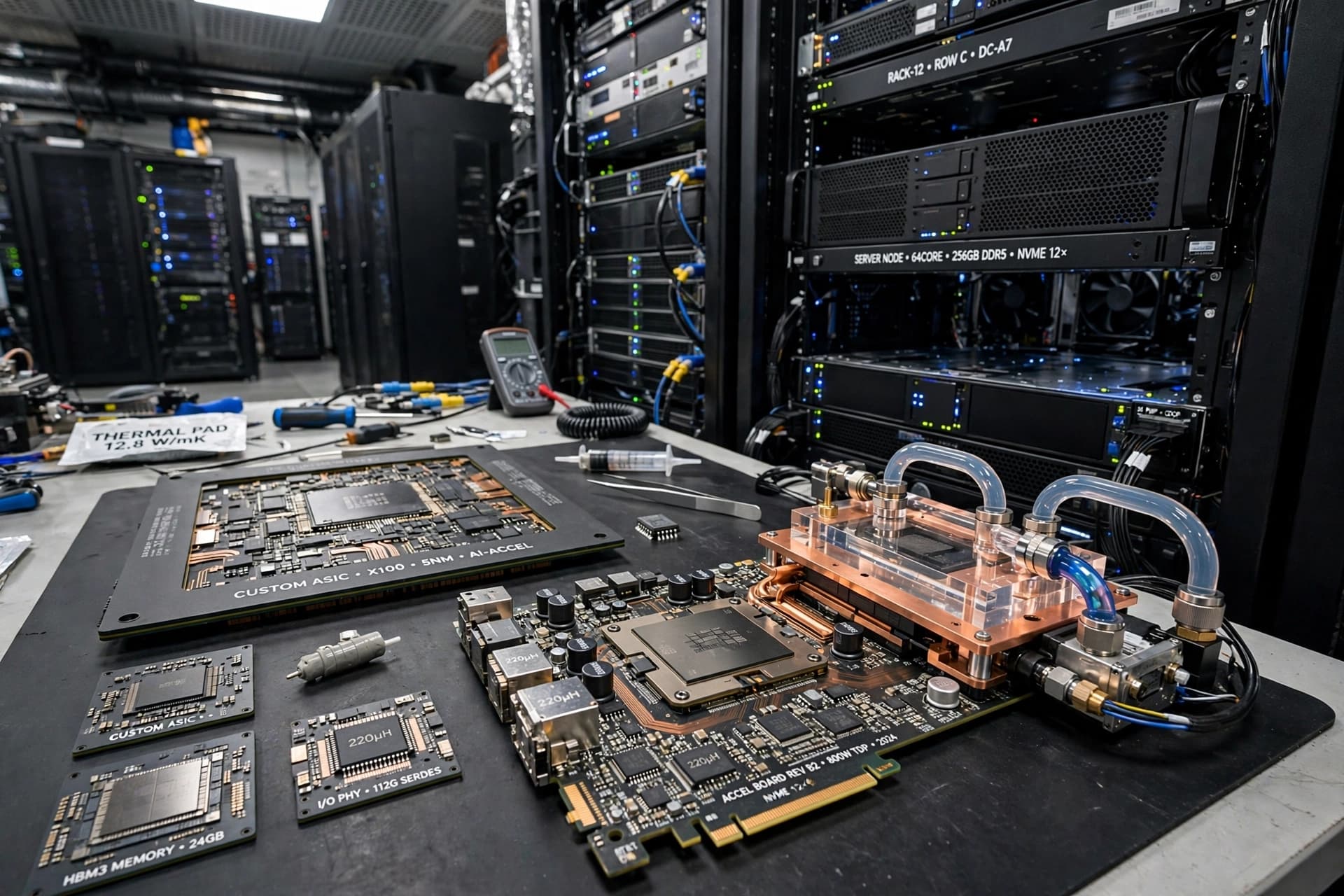
AI Image Disclaimer: Illustrations were produced with AI and serve as conceptual depictions.
Sources: Reuters, AP, The Verge, Data Center Knowledge, Business Insider
Published by Banx Network. This article is part of the Banx decentralized media programme, powered by the BXE token on the XRP Ledger.


.jpg&w=3840&q=75 "The Artemis Revolution: How NASA Plans to Build Humanity's Future on the Moon")