There is a subtle poetry to markets — an intricate interplay of expectation, confidence, and uncertainty that sways like a field of reeds in a gentle breeze. From time to time, a stronger gust — whether a political pronouncement or an economic policy shift — can send those reeds bending sharply in a new direction. Recent days have shown just how sensitive this landscape can be, as global investors reacted to renewed warnings from President Donald Trump, prompting movements in stock prices that invite reflection on how markets perceive the signals they receive.
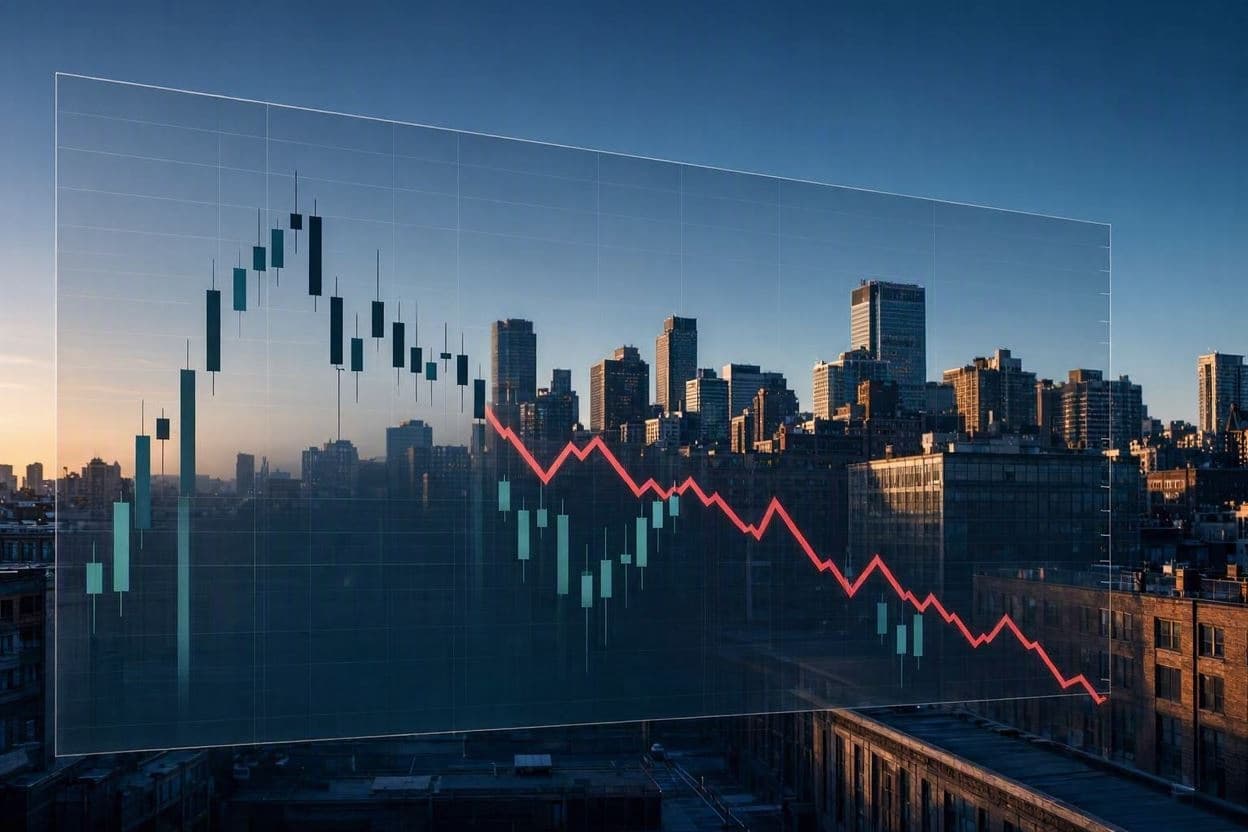
In the early weeks of 2026, Wall Street and other major markets experienced notable retreat as investors absorbed a series of tariff threats and geopolitical tension linked to Trump’s renewed push on policy objectives, including his controversial ambitions involving Greenland. Against this backdrop of uncertainty, key indexes such as the S&P 500 slid, the Nasdaq declined sharply, and the Dow Jones Industrial Average also registered meaningful losses, underscoring a collective pause among traders and fund managers.
There is a kind of wordless conversation between policy and pricing that unfolds every trading day, and when that dialogue takes on a new tone — especially one mixed with ambiguity — the response can echo across markets. In this case, investors sought out safer places for their capital, leading to rises in traditional “haven” assets even as equities fell. The Cboe Volatility Index, a widely watched barometer of trader unease, climbed, reflecting the perception that risk had subtly increased.
These movements do not happen in isolation. European markets also bore the mark of uncertainty, with exchanges such as Germany’s DAX and France’s CAC 40 showing downward pressure amid a broader retreat across global bourses. This suggests that the sense of caution had moved beyond domestic trading floors and become part of a wider narrative about economic relationships and international policy dynamics.
Wall Street’s reaction illustrates how finely balanced investor sentiment can be. In the calmer moments of recent months, markets had shown resilience, but the prospect of heightened economic friction — be it through tariffs or geopolitical standoffs — has looked to some like a reminder of how quickly the landscape can shift. Bond yields, currency movements, and commodity prices all register subtle shifts in this broader dance between confidence and caution.
For many economic observers, such retreats are not interpreted as cataclysmic collapse, but rather as a reminder that markets are living reflections of collective expectations. When traders encounter ambiguity in policy direction or geopolitical stability, their willingness to hold risk assets can soften, and the ebb and flow of capital tells its own story about perceived future conditions.
Gentle news from financial analysts notes that this recent episode underscores the sensitivity of markets to political signals, especially when those signals involve trade policy and international relations. While unpredictability can prompt volatility, it also encourages dialogue between policymakers and market participants about pathways to stability and growth. Investors and advisors alike continue to watch developments closely as the year unfolds, balancing long-term strategy with the rhythms of short-term sentiment.
AI Image Disclaimer
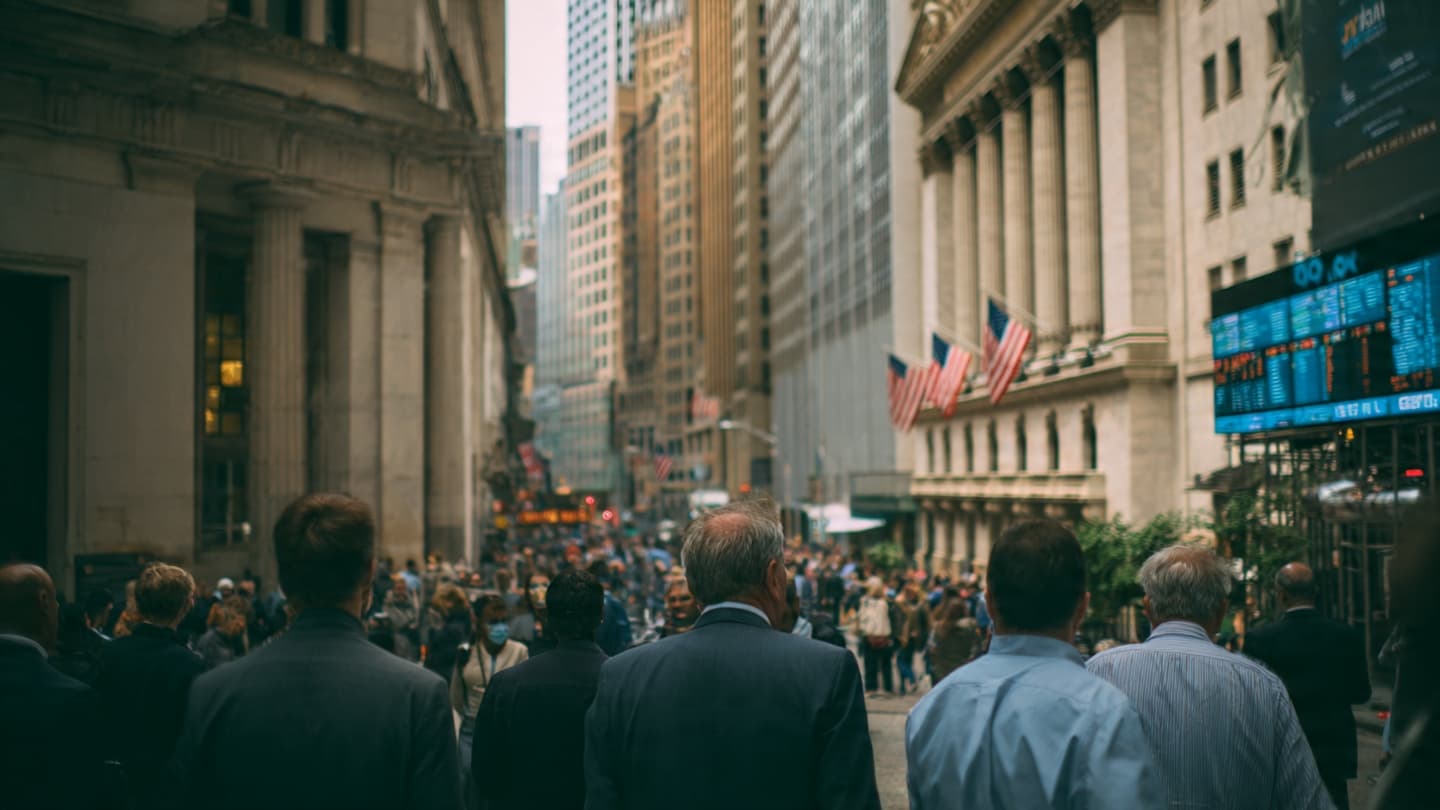
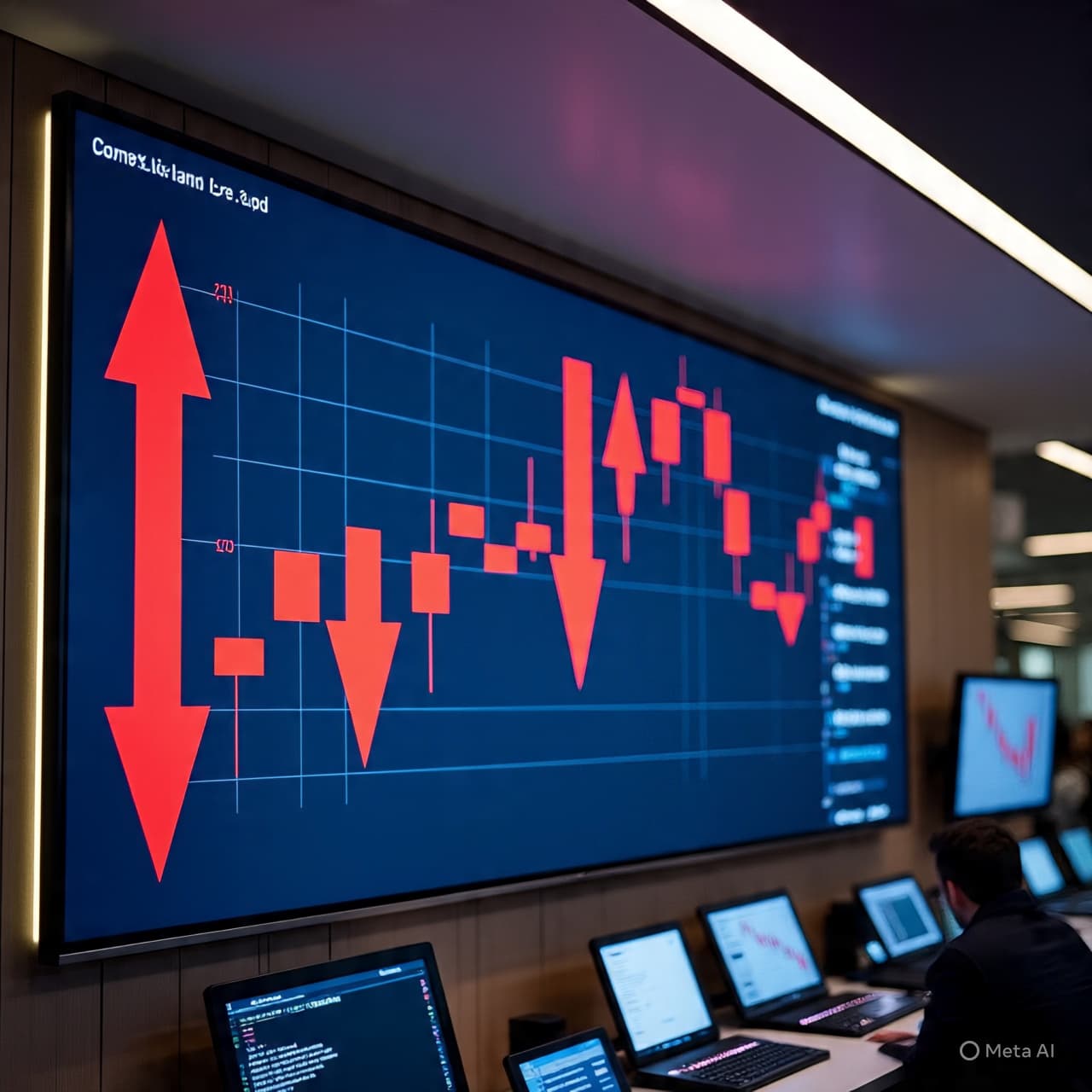
Visuals are created with AI tools and are not real photographs.
Sources
1. Brisbane Times 2. The Washington Post 3. The Guardian 4. Reuters 5. The Wall Street Journal
Published by Banx Network. This article is part of the Banx decentralized media programme, powered by the BXE token on the XRP Ledger.