The financial markets of the Gulf, often mirrors of regional stability, trembled recently following claims of attacks on Riyadh. Saudi Arabia’s stock market opened lower, reflecting investor anxiety over security threats posed by Houthi missile and drone strikes. The decline was not isolated; broader Gulf indices also dipped, illustrating the interconnectedness of the region’s economies. It is a reminder that geopolitical tensions have immediate and tangible effects on financial well-being.
The Houthi group claimed responsibility for striking "sensitive" targets in the Saudi capital, citing missiles and drones as their tools. While civil defense authorities issued all-clear signals and reported no major damage or casualties, the psychological impact on markets was significant. Investors, wary of potential disruptions to oil infrastructure or broader instability, reacted by selling off assets. Fear, even when unfounded, can drive market behavior as powerfully as fact.
Saudi Aramco, the state-owned oil giant, saw its shares dip, contributing to the overall market decline. As a cornerstone of the Saudi economy and a global energy supplier, any threat to its operations sends ripples through international markets. The sector’s sensitivity to security issues is well-documented, with past attacks leading to similar volatility. This incident reinforces the need for robust defense mechanisms to protect critical infrastructure.
Beyond Saudi Arabia, other Gulf Cooperation Council (GCC) markets experienced downward pressure. Kuwait, Qatar, and the UAE saw minor declines, reflecting regional solidarity in economic sentiment. The integrated nature of Gulf economies means that shocks in one nation are felt across borders. This interdependence is both a strength and a vulnerability, requiring coordinated responses to maintain stability.
Government officials moved quickly to reassure investors, emphasizing the resilience of the kingdom’s defenses and the continuity of business operations. Statements from the Ministry of Energy and the Capital Market Authority aimed to calm nerves, highlighting strong fundamentals and long-term growth prospects. Such communication is crucial in mitigating panic and restoring confidence. Transparency and clarity are key tools in crisis management.
Analysts note that while short-term volatility is expected, the long-term outlook remains positive. The Saudi economy is diversifying, reducing its reliance on oil and increasing resilience to external shocks. Projects under Vision 2030 continue to attract investment, signaling confidence in the country’s future. This structural change provides a buffer against geopolitical risks, offering hope for sustained stability.
Global energy prices also reacted, though modestly, to the news. Traders monitored the situation closely, ready to adjust positions based on further developments. The balance between supply and demand remains delicate, with any disruption potentially leading to price spikes. For consumers worldwide, this means watching pump prices with bated breath. The global economy is tightly linked to Middle Eastern stability.
In the end, the drop in Saudi and Gulf stocks is a reflection of uncertainty. It highlights the fragility of peace in a volatile region and the importance of security for economic health. As markets stabilize and defenses hold, the hope is for a return to normalcy. The resilience of the Gulf economies will be tested, but their foundation remains strong. Stability is the ultimate currency.
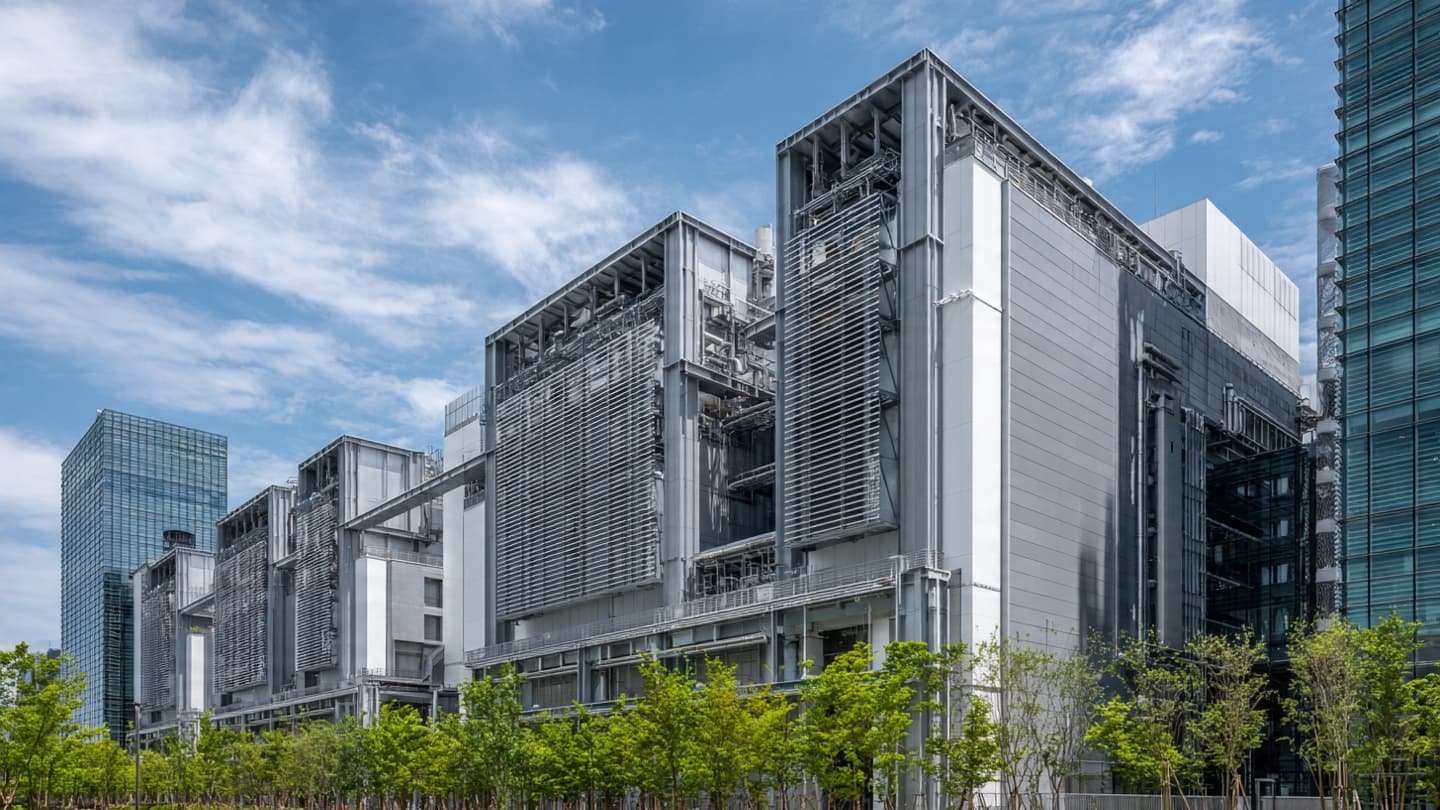
AI Image Disclaimer: The visual aids included here are AI-generated illustrations depicting stock market trends and urban skylines, not actual photographs of specific trading floors or damage in Riyadh.
Sources: Reuters Dawn Kentucky.com
Published by Banx Network. This article is part of the Banx decentralized media programme, powered by the BXE token on the XRP Ledger.