A quiet afternoon in downtown Washington was shattered — as if a sudden gust had torn through the festive calm, spilling dread onto streets usually humming with bustle. Two young soldiers, on duty mere blocks from the seat of power, fell under fire, their uniforms no shield against a bullet’s cruel precision. The city held its breath, the ordinary bleeding into tragedy.
That Wednesday afternoon, near 17th and I Streets, just a short walk from the gates of the White House, a man emerged — then raised a gun and unleashed a volley that struck two members of the West Virginia National Guard. The attack, officials now say, was not random: it was a “targeted ambush.” The wounded — a 20-year-old woman and a 24-year-old man — were rushed to hospital in critical condition.
The suspect, identified as a 29-year-old man named Rahmanullah Lakanwal, was taken into custody after the exchange of gunfire. He, too, was wounded but survives — law enforcement does not believe the injuries to be life-threatening. According to authorities, Lakanwal entered the U.S. in 2021 under a resettlement program, after serving with U.S.-backed partner forces in Afghanistan.
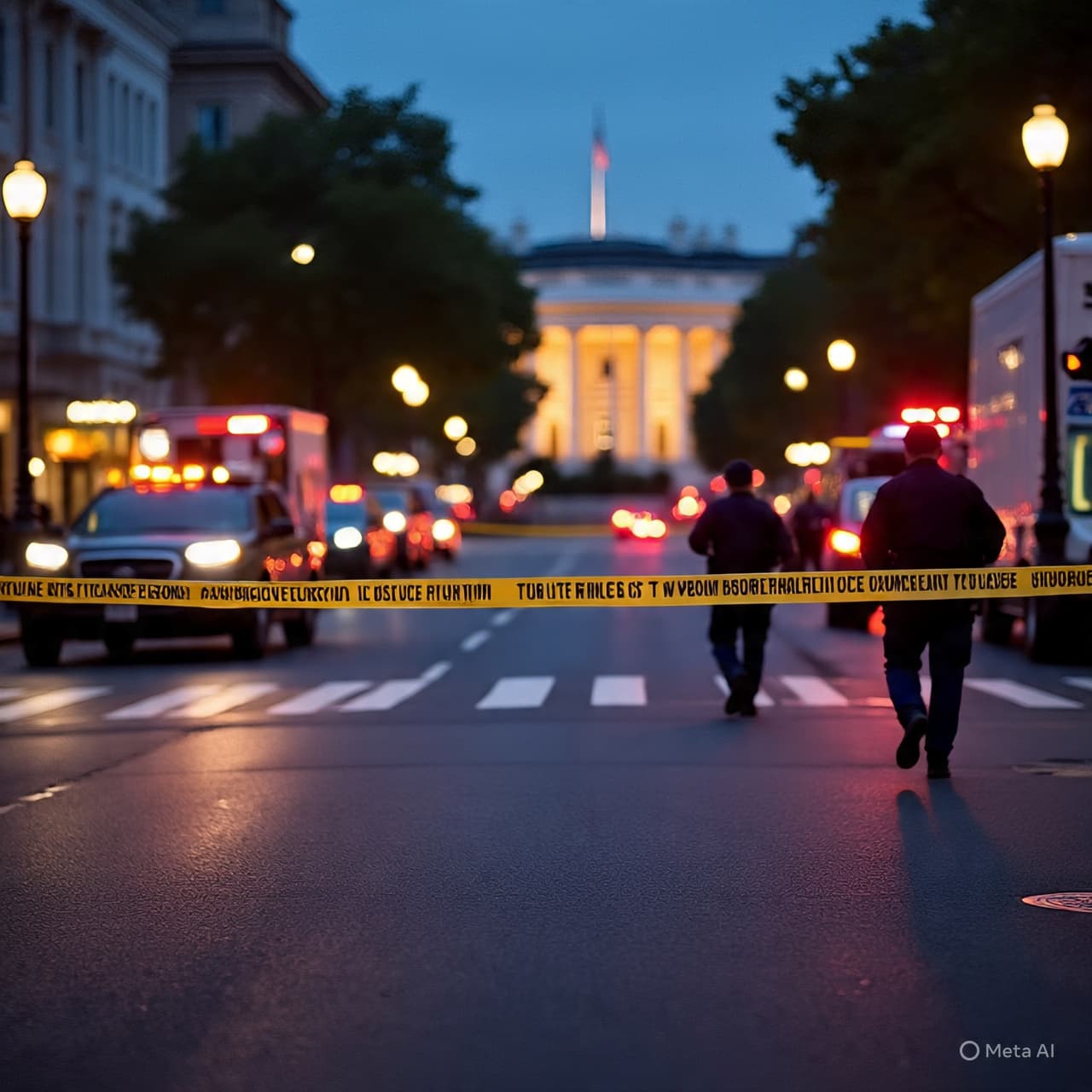
Eyewitnesses recount moments of chaos: stunned pedestrians fleeing, first-responders rushing to aide, and fellow Guard members springing into action — pinning the suspect down, searching for signs of additional threats, securing the streets, and trying to restore calm. For many, the images struck as jarringly out of place: the everyday rhythm of city life disrupted by violence, right under the looming presence of the White House.
What makes this incident all the more resonant is its timing and symbolism. In recent months, the deployment of Guard forces to Washington and other cities under the watch of the current administration has been a flashpoint — a living illustration of debate over security, civil order, and the role of the military in domestic policing. Those troops were meant to be a deterrent, a visible promise of safety. Instead, on this autumn day, two of them became victims.
As federal investigators now comb through evidence — seizing electronics, combing through the suspect’s background, weighing possible motives — the question looms: how could this happen, in one of the most heavily secured corners of the capital? The streets remain cordoned off, flashing lights and anxious murmurs marking the place where lives changed in an instant.
Through it all, the families of the wounded stand in limbo. Their loved ones, young and full of promise, are fighting not just for recovery, but for a return to a world no longer quite the same. And the capital, its guard rails shaken, must face a sharp truth: security is not only walls and patrols — it is also vigilance, trust, and the fragile certainty of peace.
In the days ahead, as investigations deepen and the political reverberations spread, perhaps we will learn more. But for now, the city mourns what was lost — and wonders how to guard the guard.
In a place built on history and symbol, one attack has carved a new scar in stone and memory — a reminder that at the heart of a nation’s security are ordinary human lives, unexpectedly fragile, and quietly heroic.
AI Image Disclaimer “Visuals are created with AI tools and are not real photographs.”
Sources: The Associated Press Reuters ABC News The Washington Post CBS News
Published by Banx Network. This article is part of the Banx decentralized media programme, powered by the BXE token on the XRP Ledger.

.jpg&w=3840&q=75 "New Southern California Wildfire Explodes in Size, Burning Multiple Homes")