Time, for those in exile, is not a linear progression but a circular echo of loss and longing. Nine years have passed since the mass exodus of the Rohingya people from Myanmar, yet the dream of return remains as distant as the horizon. As the crisis enters a new and dangerous phase, the world is reminded that humanitarian emergencies do not simply fade with time; they evolve, often becoming more complex and entrenched.
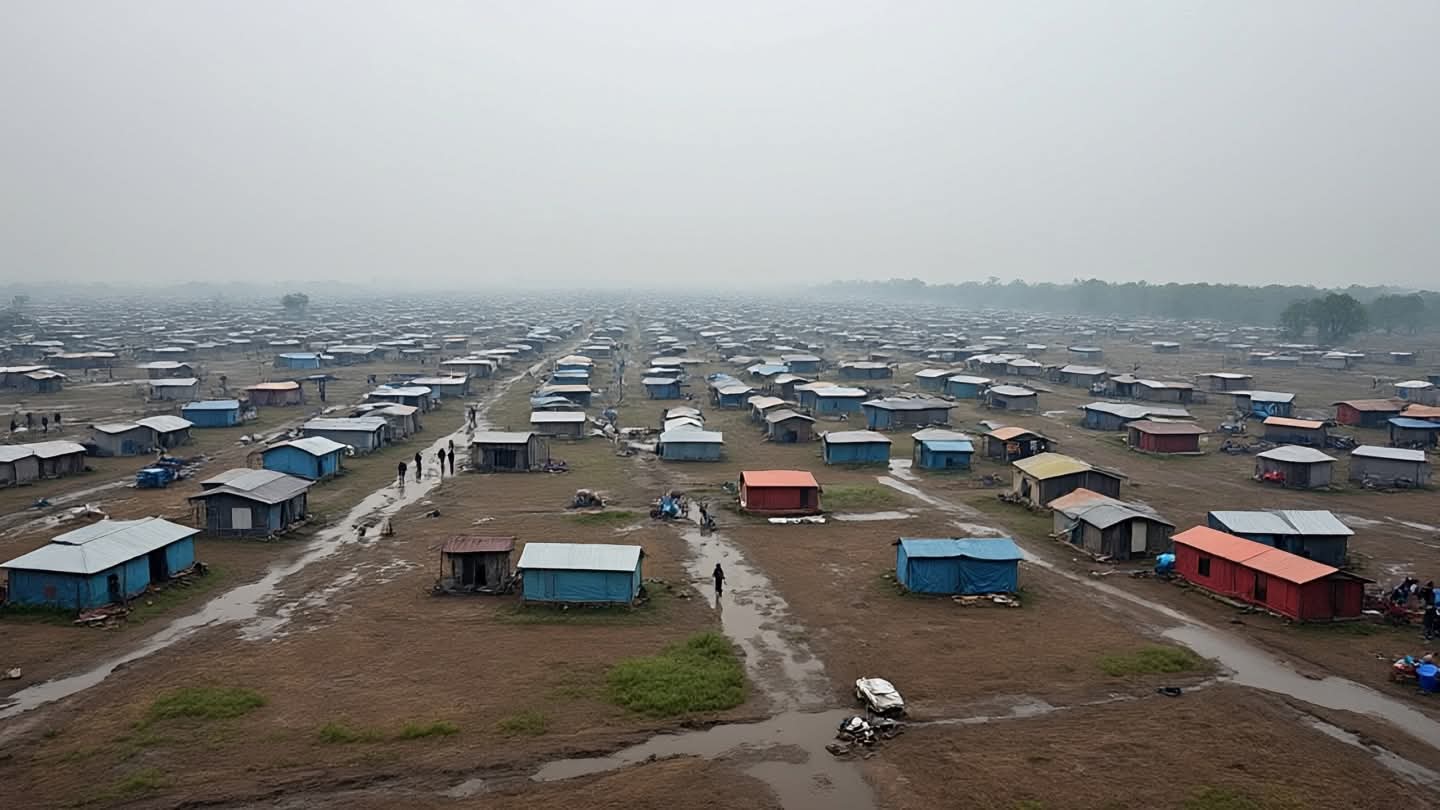
The Rohingya community, now largely residing in camps in Bangladesh, faces a future that is increasingly uncertain. The initial hope that their displacement would be temporary has given way to a grim reality of protracted statelessness. With conditions in Myanmar remaining volatile and hostile, the possibility of safe repatriation seems less like a plan and more like a fading memory.
Recent reports indicate that the situation is deteriorating, with rising tensions within the camps and growing frustration among refugees who feel abandoned by the international community. The lack of clear political solutions has led to a sense of despair, where young people grow up without citizenship, education, or a clear path forward. It is a generation defined by what it has lost rather than what it might gain.
The term "dangerous phase" refers not only to the physical security risks but also to the psychological toll of indefinite limbo. Aid organizations warn that funding fatigue is setting in, leading to cuts in essential services such as healthcare and food supplies. This reduction in support exacerbates the vulnerability of a population that has already endured immense suffering.
Meanwhile, the political landscape in Myanmar continues to shift, with ongoing civil conflict making any return even more perilous. The military junta’s stance remains rigid, offering little assurance of safety or rights for the Rohingya. This deadlock leaves refugees trapped between a homeland that rejects them and a host country that struggles to support them.
International efforts to mediate have stalled, lacking the leverage or unity needed to break the impasse. While some nations call for accountability for past atrocities, practical steps toward resolution remain elusive. The Rohingya crisis has become a testament to the limitations of global diplomacy in the face of entrenched ethnic persecution.
Yet, amidst the hardship, the resilience of the Rohingya people endures. Community leaders continue to advocate for their rights, keeping the story alive in the face of global indifference. Their struggle is a poignant reminder of the human cost of political failure and the urgent need for sustained engagement.
As the ninth anniversary passes, the call for action grows louder. The world must not forget that behind the statistics are individuals seeking dignity, safety, and a place to call home. The danger lies not just in the present conditions, but in the silence that allows them to persist.
AI Image Disclaimer: The images used in this article are AI-generated and serve as visual aids to complement the narrative.
Sources: NPR UNHCR Al Jazeera Doctors Without Borders
Published by Banx Network. This article is part of the Banx decentralized media programme, powered by the BXE token on the XRP Ledger.