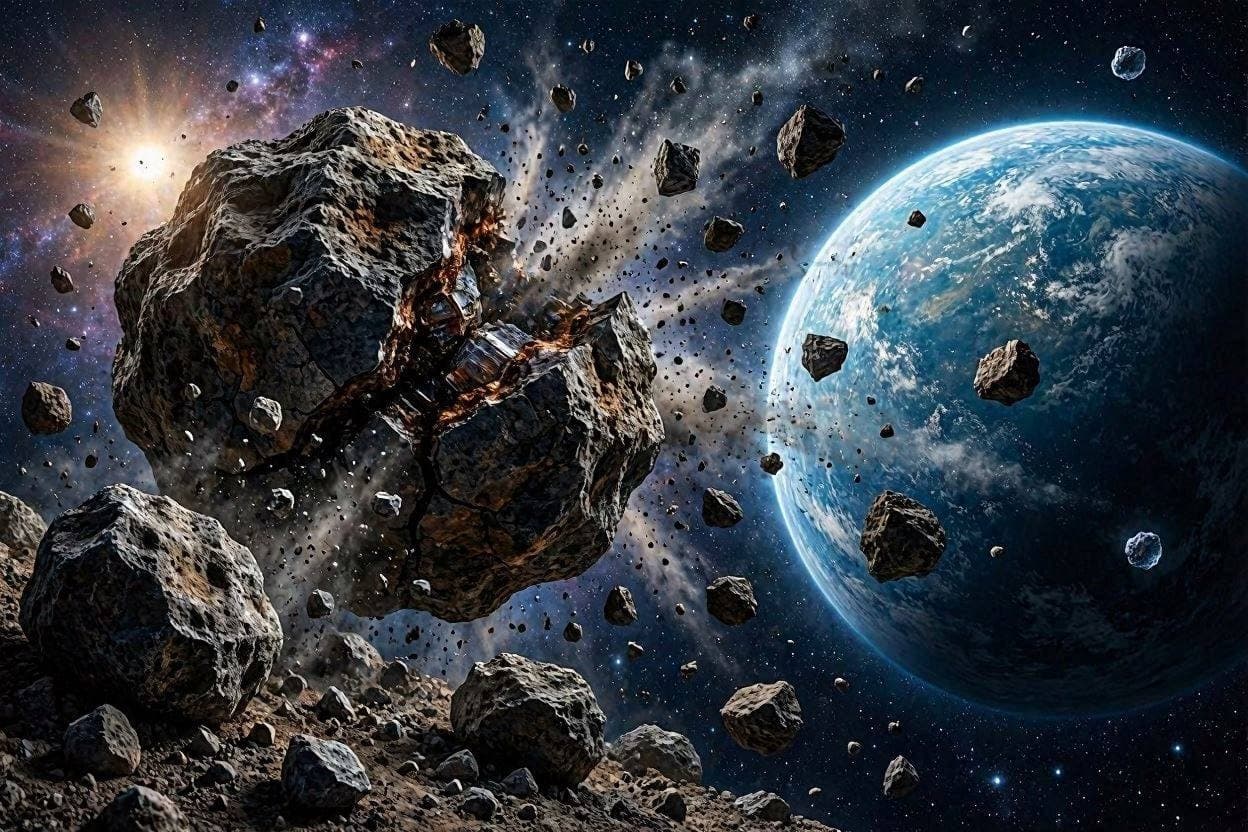
Time leaves its marks in unexpected places, from the layers of rock beneath our feet to the craters scarred on the moon’s face. Recent research suggests that about 800 million years ago, a catastrophic event in the asteroid belt sent a shower of debris toward the inner solar system. This ancient bombardment, triggered by the breakup of a large parent asteroid, may have reshaped the surfaces of both Earth and the Moon. It is a story written in stone, waiting to be read by those who look closely.
The study, published in recent geological journals, analyzes crater records on the Moon and Earth to identify patterns in impact frequency. Researchers found a spike in impacts dating back to the Neoproterozoic era, a time when life on Earth was beginning to diversify. The synchronization of these impacts on both bodies suggests a common source, rather than random collisions from unrelated objects.
The culprit appears to be a large asteroid, approximately 100 kilometers in diameter, that shattered due to a collision or internal instability. The resulting fragments formed a family of asteroids, some of which were gravitationally nudged into orbits that crossed paths with Earth and the Moon. This event would have delivered a significant amount of material to our planet, potentially influencing its geological and biological evolution.
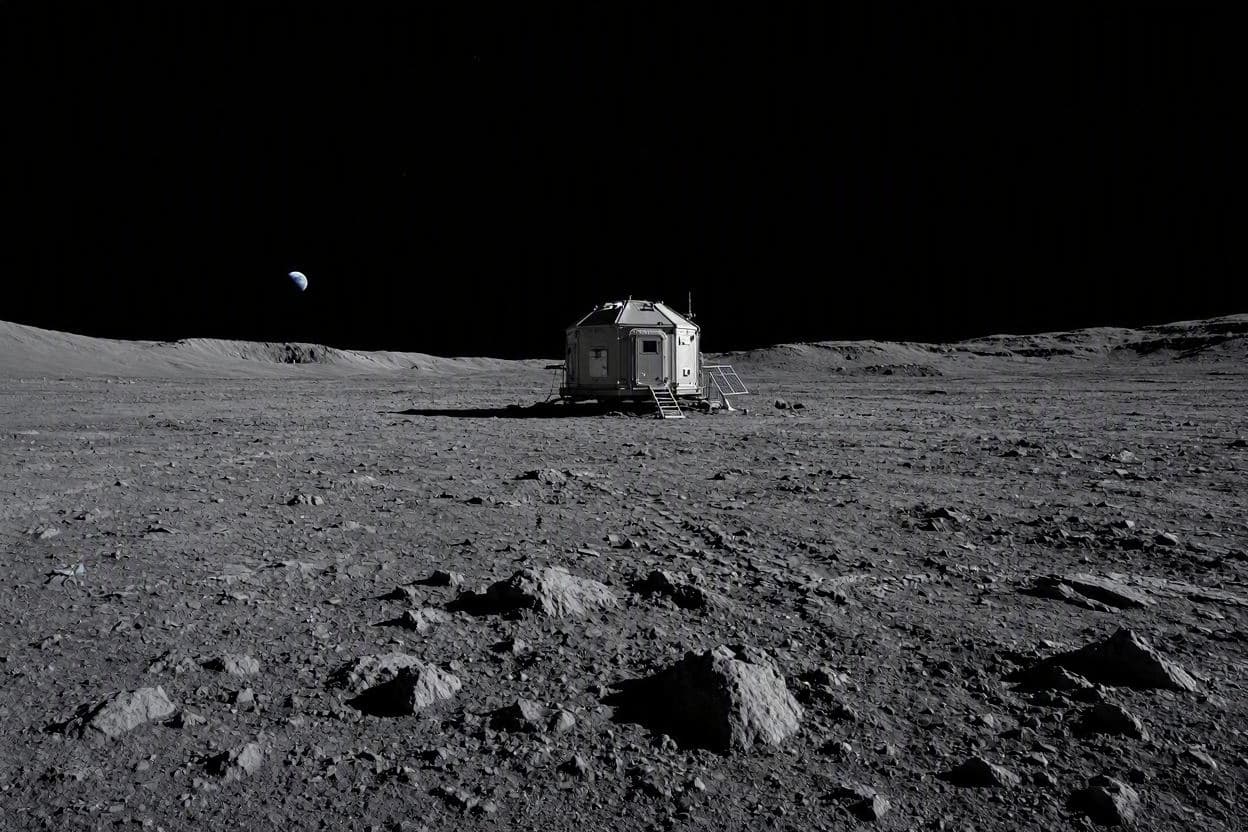
On the Moon, where erosion is minimal, the craters from this period remain well-preserved. By counting and dating these features, scientists can reconstruct the timeline of the bombardment. On Earth, however, plate tectonics and weathering have erased most of the evidence. Yet, subtle clues in the geological record, such as impact spherules and isotopic anomalies, support the hypothesis of a widespread event.
The implications for life on Earth are intriguing. While large impacts can cause extinction events, smaller ones may have delivered essential volatiles like water and organic compounds. Furthermore, the environmental changes caused by the bombardment could have created new ecological niches, driving evolutionary innovation. It is a reminder that destruction and creation are often intertwined in the history of our planet.
This research also highlights the importance of lunar exploration. The Moon serves as a historical archive for the inner solar system, preserving records that Earth has lost. Future missions to the lunar surface may uncover more details about this ancient event, helping to refine our understanding of the solar system’s dynamic past.
Understanding past bombardments is crucial for assessing current risks. By studying the frequency and size of ancient impacts, scientists can better model the potential threat from near-Earth objects today. It provides context for planetary defense efforts, ensuring that we are prepared for any future encounters with cosmic debris.
The discovery underscores the interconnectedness of celestial bodies. What happens in the asteroid belt can have profound effects on planets millions of miles away. It is a testament to the gravitational web that binds the solar system, linking the fate of rocks in space to the history of life on Earth.
As we continue to decode the geological records of Earth and the Moon, stories like this emerge, revealing a violent yet creative past. The ancient asteroid breakup serves as a reminder of the dynamic forces that have shaped our world. In understanding these events, we gain a deeper appreciation for the resilience and complexity of our planet.
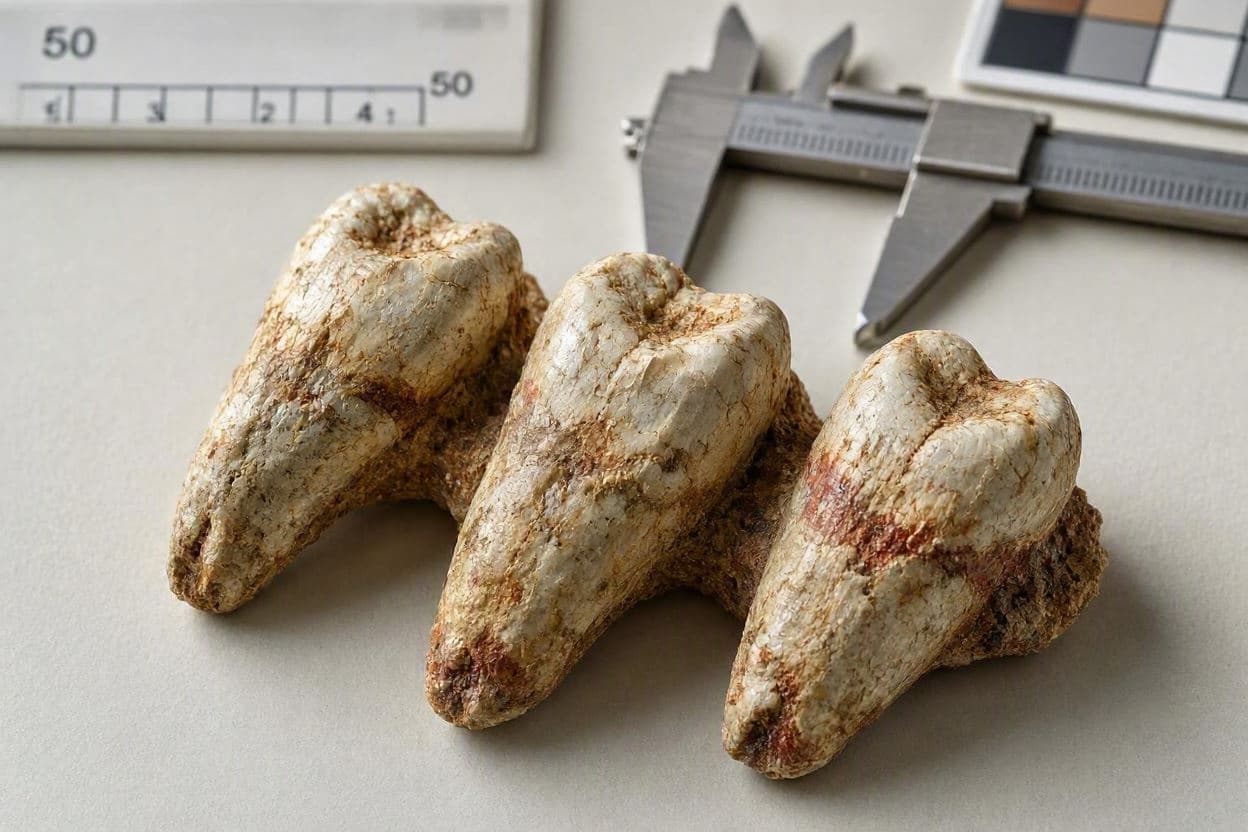
AI Image Disclaimer: Images in this article are AI-generated illustrations of asteroid fields and lunar surfaces, designed to visualize the concept of ancient cosmic bombardment.
Sources: Nature Communications Smithsonian Magazine Planetary Science Institute BBC Science
Published by Banx Network. This article is part of the Banx decentralized media programme, powered by the BXE token on the XRP Ledger.