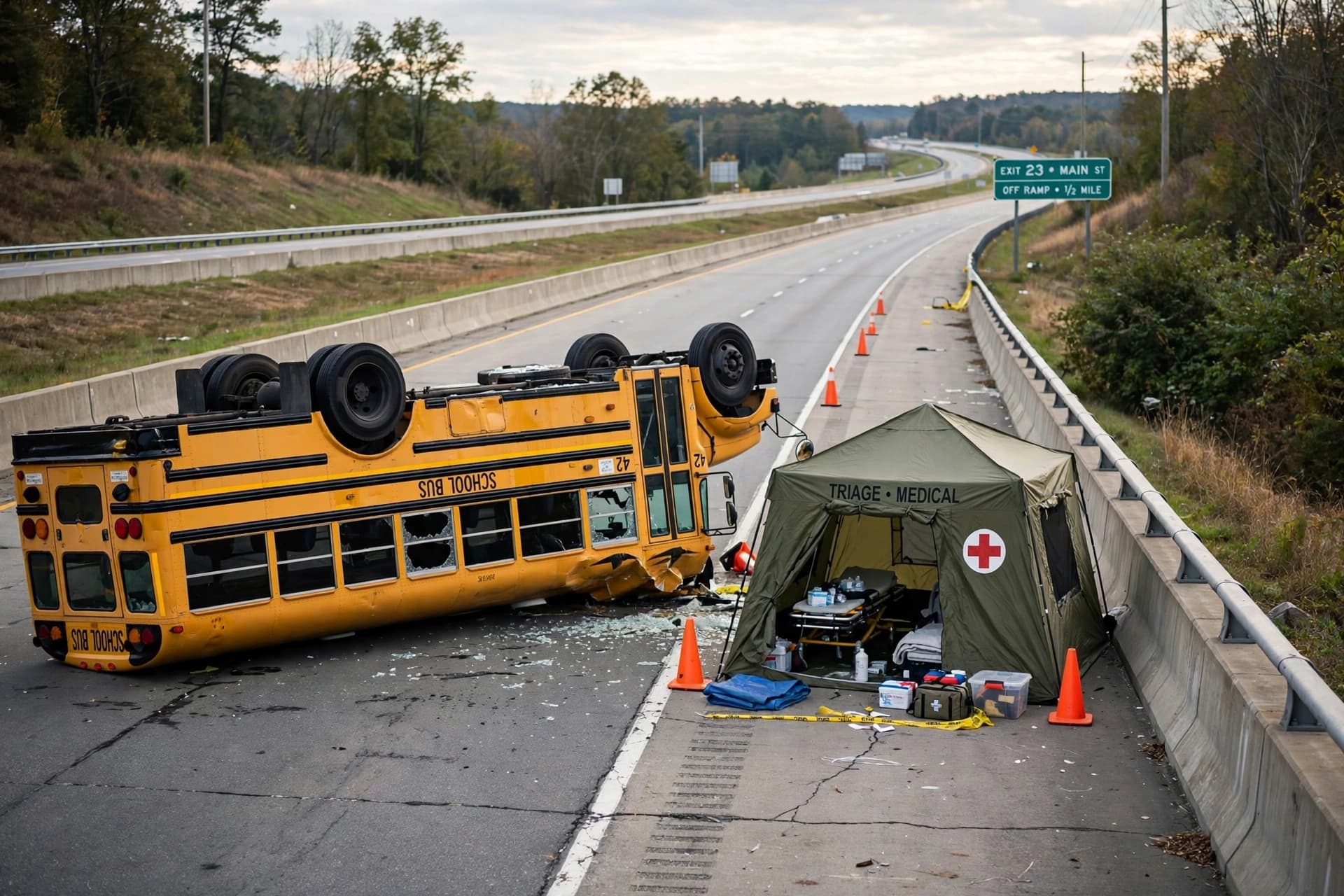
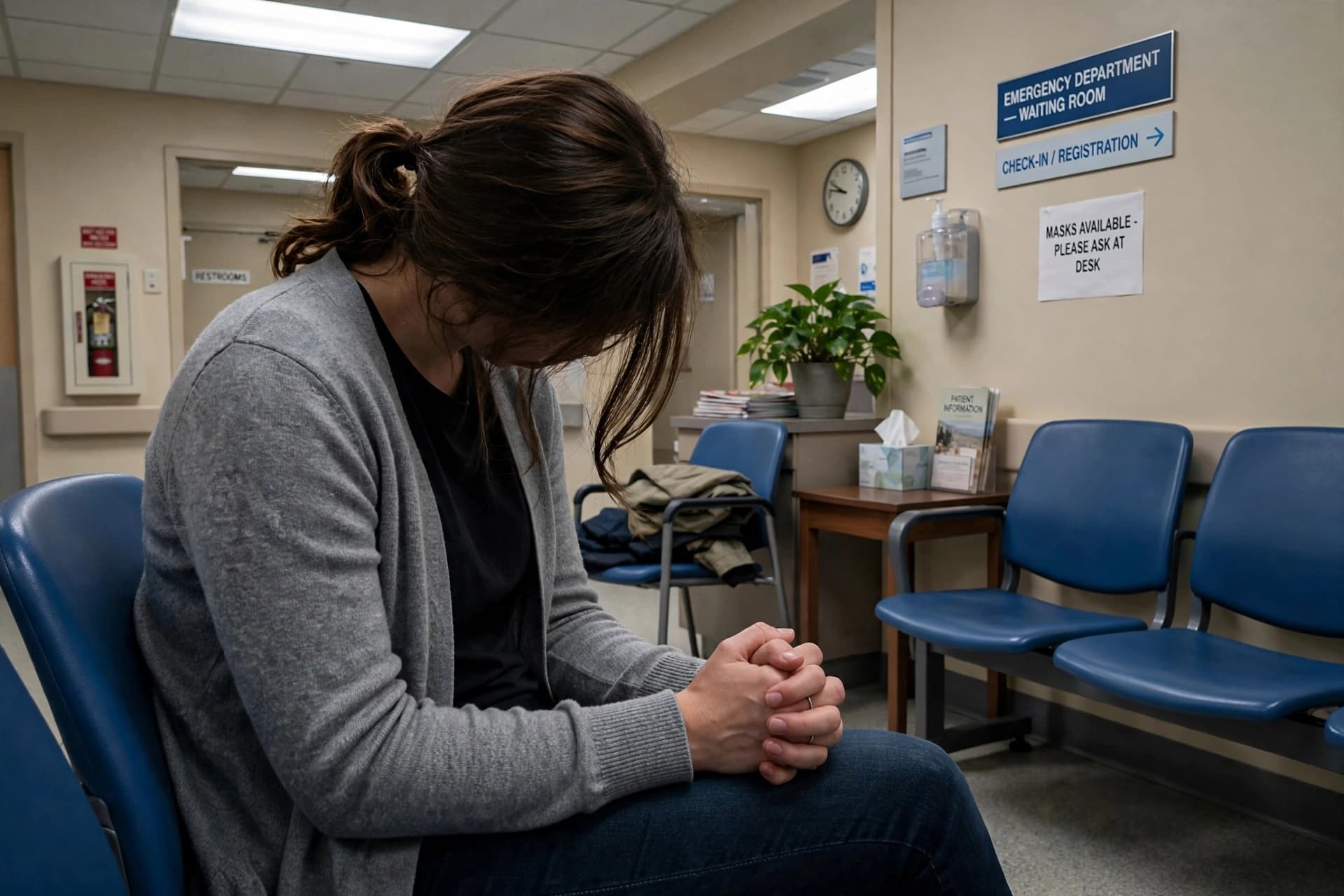
There’s a kind of collective amnesia that can settle over a generation — not in the sense of forgetting, but in the quiet absence of direct experience. Diseases once common in childhood become distant memories as vaccines suppress them, relegating their features to textbooks rather than daily life. Now, as measles resurges across the United States, that gap in lived experience is presenting an unexpected challenge for hospitals and the doctors who work in them.
In the early hours of a January morning at a hospital in Asheville, North Carolina, two 7‑year‑old boys arrived with symptoms that might have seemed familiar to practitioners from earlier eras — fever, cough, rash, and pink eye. Yet in the bustling modern emergency department, the staff did not immediately recognize what they were seeing. More than two hours passed before isolation protocols were activated, and by that time the boys had potentially exposed dozens of other patients and staff.
When health inspectors reviewed the incident, they concluded that the symptoms should have triggered earlier isolation — a procedure for which the staff had been trained months earlier but did not effectively implement. The resulting investigation led to a severe designation of “Immediate Jeopardy” from federal regulators, placing the hospital’s funding at risk unless corrective actions were taken.
The underlying issue lies not in the virulence of the virus — measles is among the most contagious diseases known — but in the fact that many clinicians simply have no firsthand experience with it. Since measles was declared eliminated in the U.S. in 2000, most doctors have never seen a case in clinical practice. As one North Carolina pediatrician noted, even after decades in medicine, she had never encountered measles before, despite its resurgence.
That unfamiliarity can blur the line between measles and other common childhood illnesses in their earliest stages. Measles often begins with cold‑like symptoms, and the rash that later appears can resemble “morbilliform” — or measles‑like — rashes caused by a host of viral infections. Distinguishing measles from these seemingly similar presentations requires both vigilance and experience that many clinicians have not had the opportunity to build.
The broader context intensifies the challenge. The United States has seen more than 3,000 measles cases since early 2025, with outbreaks in multiple states and growing concern about losing the nation’s longstanding elimination status for the disease. Children in areas with low vaccination rates are particularly vulnerable, and public health officials have been urging families to ensure up‑to‑date immunizations.
Vaccination remains extraordinarily effective: two doses of the measles‑mumps‑rubella (MMR) vaccine reduce the risk of infection to about 3 percent after exposure, compared with a roughly 90 percent infection rate among unvaccinated individuals. The disease can take a week or more to manifest symptoms, making early recognition and isolation critical for preventing spread in clinical settings.
Experts say the path forward involves enhancing clinical training and awareness, especially in primary care and hospital environments where measles might first present. Public health departments continue to play a key role, providing guidance on identifying and responding to potential measles cases — even as professionals acknowledge that many providers are “leveling up” their ability to recognize and respond to symptoms they may never have seen before.
In this phase of resurgence, the confluence of a once‑rare disease, gaps in clinical experience, and the imperative to protect patients highlights both the complexity of modern healthcare and the enduring importance of vaccination and preparedness. Measles — long absent from many doctors’ daily view — is again demanding attention in the corridors of care.
AI Image Disclaimer Graphics are AI‑generated and intended for representation, not reality.
Sources
KFF Health News News‑Medical / News Minimalist summaries Additional reporting on measles resurgence and clinical preparedness challenges.
Published by Banx Network. This article is part of the Banx decentralized media programme, powered by the BXE token on the XRP Ledger.