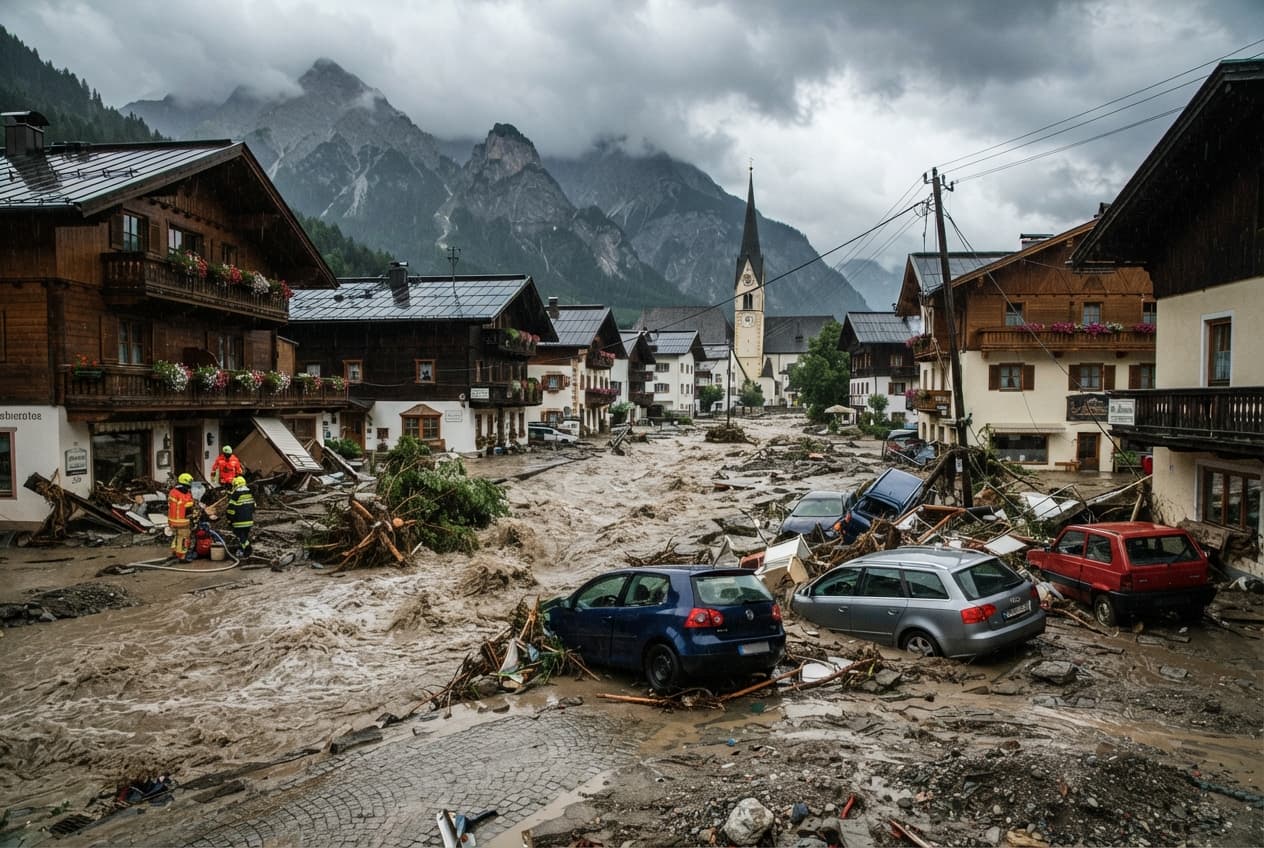
Fuzhou, China—Hurricane-force winds and torrential downpours slammed into the eastern coastline early Friday morning. Provincial authorities ordered the immediate emergency evacuation of hundreds of thousands of residents from high-risk zones. Coastal sea walls breached under pounding storm surges, flooding urban waterfront commercial sectors. Hillsides saturated by days of relentless rain collapsed without warning onto mountain roads. State disaster officials confirmed that five individuals died in separate landslide incidents.
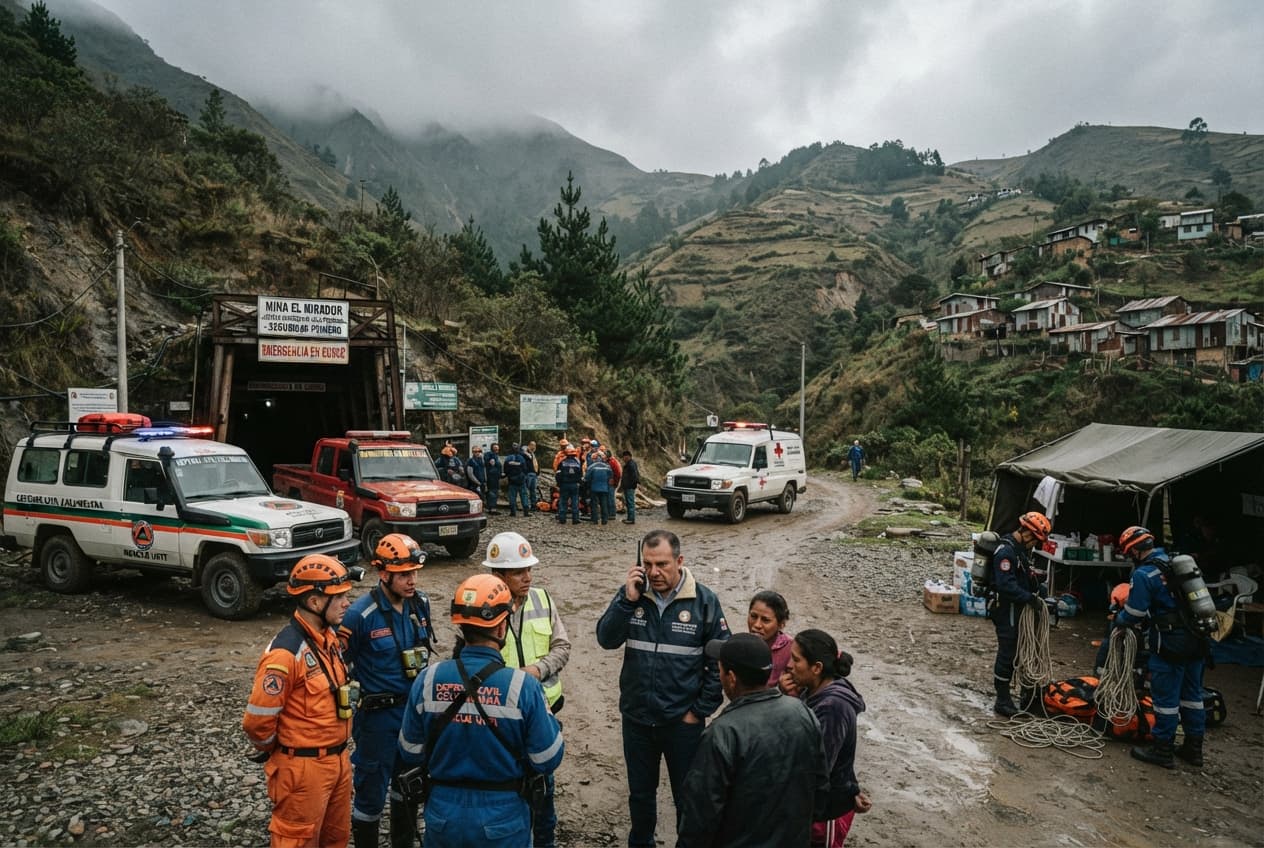
Rescue squads equipped with heavy earth-moving machinery deployed rapidly to the disaster-stricken interior counties. Emergency workers used thermal life-detectors to search for trapped survivors beneath tons of mud. Power grids failed across multiple prefectures, leaving millions of households in darkness overnight. High-speed rail operations and commercial airline flights remained suspended across three coastal provinces. Municipal drainage systems buckled under record rainfall rates, turning downtown avenues into fast-flowing canals.
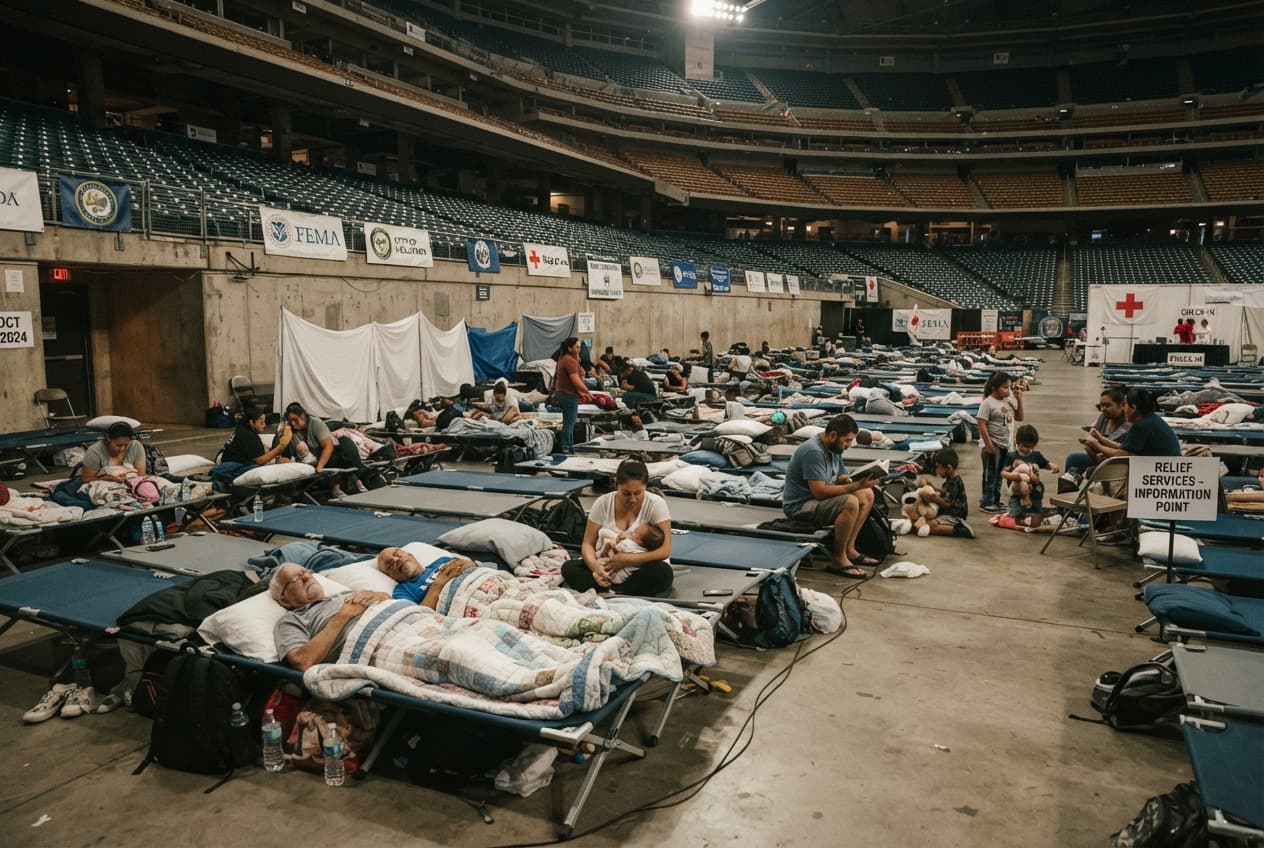
Emergency management bureaus established command centers to coordinate large-scale shelter operations. Displaced citizens packed into municipal stadiums outfitted with temporary cots, medical stations, and food supplies. Agricultural departments reported significant damage to coastal aquaculture farms and greenhouse horticulture structures. Maritime safety administrations restricted all commercial shipping traffic from entering regional harbor terminals. Insurance adjusters began preliminary damage assessments on commercial properties and residential complexes.
Meteorological satellites tracked the storm system pushing steadily inland while losing forward momentum. Rainfall warnings remained active across neighboring provinces anticipating severe secondary flooding. Structural engineers inspected coastal bridge piers and transport overpasses for scouring damage. Local police patrolled evacuated neighborhoods to prevent opportunistic looting in darkened commercial districts. Public utility crews staged repair vehicles near damaged substations awaiting clearance to begin restoration.
State media broadcast continuous safety advisories urging citizens to remain inside secure structural shelters. Provincial leaders promised swift financial assistance packages for families affected by the storm destruction. Environmental protection teams monitored industrial chemical facilities located near flooded riverbanks for potential leaks. Port authorities prepared salvage protocols for stranded vessels that broke loose from moorings.
Repair technicians stand ready to enter damaged power substations as winds begin to subside.
Published by Banx Network. This article is part of the Banx decentralized media programme, powered by the BXE token on the XRP Ledger.