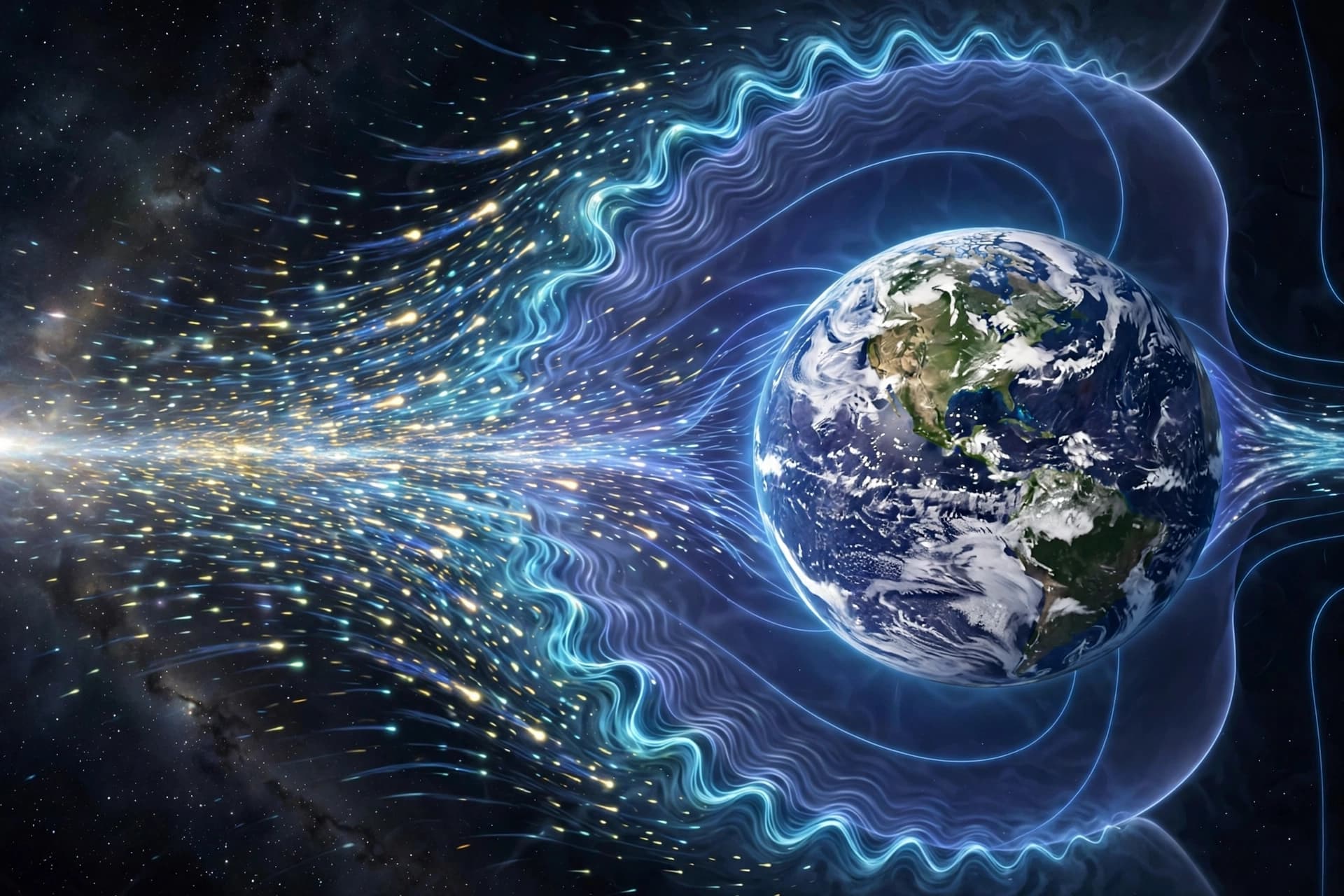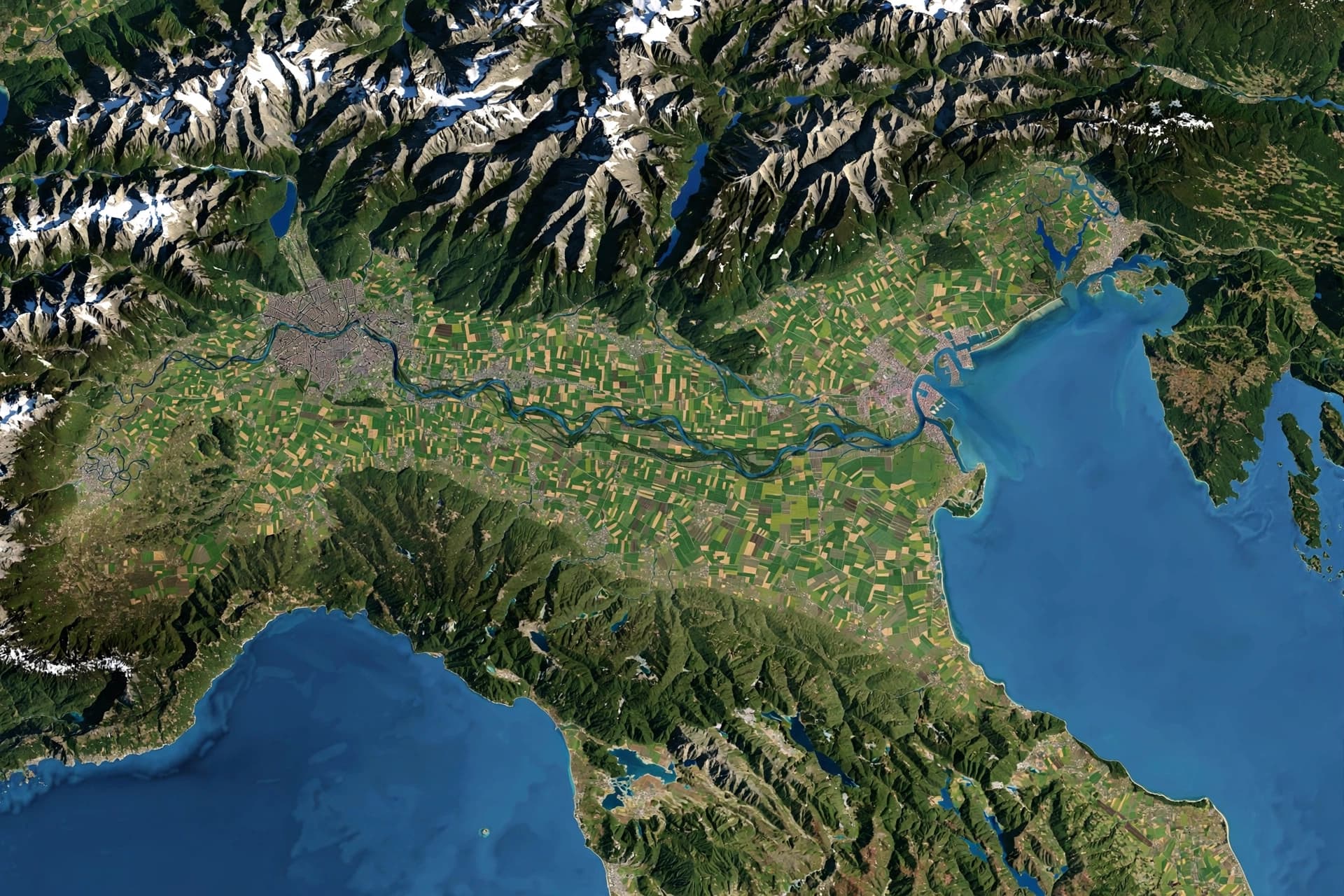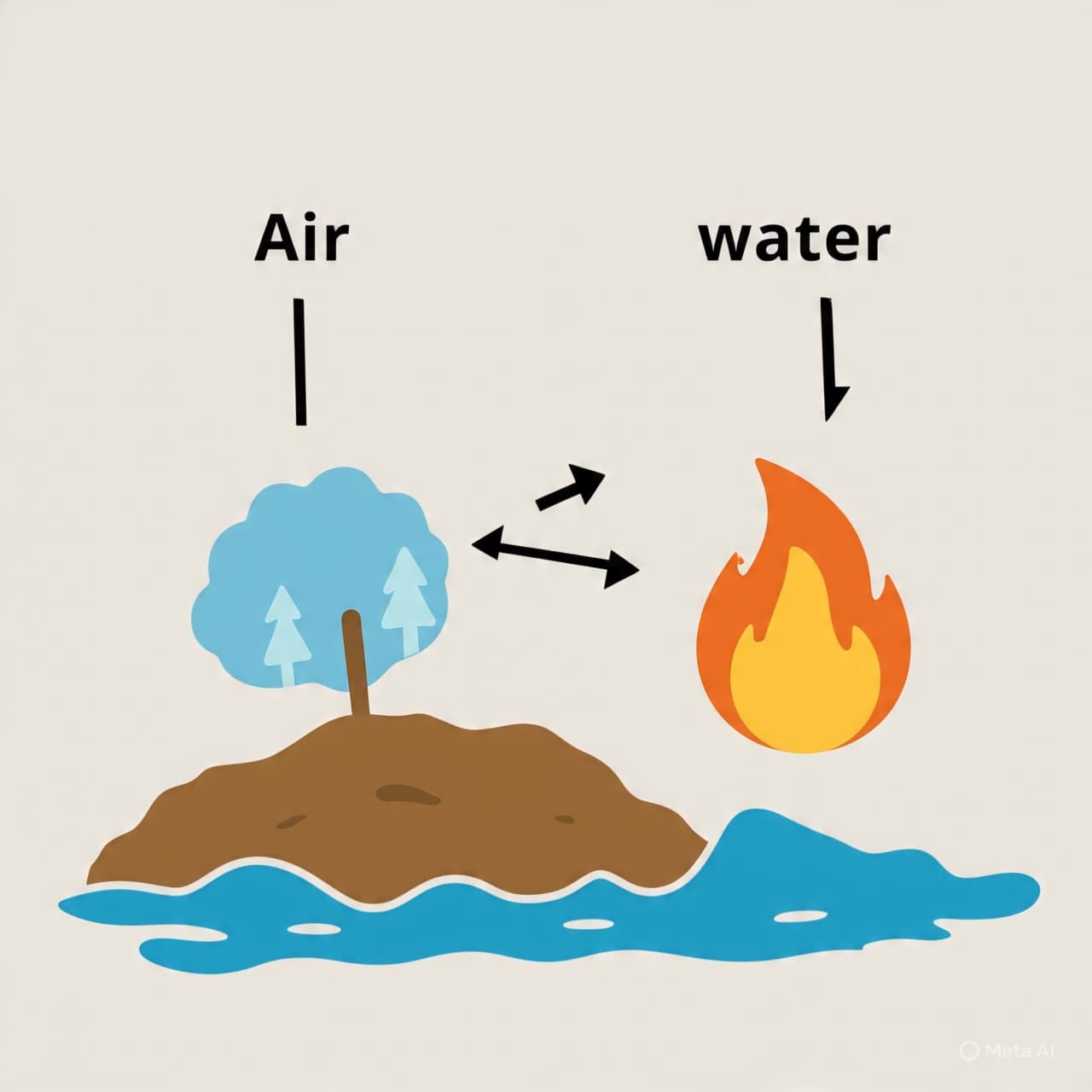
There was a time when the elements felt distinct, each moving within its own rhythm. Earth rested beneath our feet, air passed invisibly through the sky, fire flickered as both tool and threat, and water followed gravity’s patient pull. They were taught as separate chapters in schoolbooks, governed by different rules, observed through different sciences. Yet the planet has a quiet way of reminding us that separation is often an illusion, and that these forces, ancient and elemental, have always been listening to one another.
As the climate warms, the boundaries between earth, air, fire, and water grow thinner. Heat in the atmosphere alters the behavior of water, drawing heavier rains from warmer seas and longer droughts from shifting winds. Water, in turn, reshapes the earth, loosening slopes and saturating soils until landslides and sinkholes appear where stability once seemed assured. None of these movements are sudden in isolation, but together they form a slow choreography, one that becomes more visible with each passing year.
The ground itself responds quietly. Melting glaciers remove weight from mountain ranges, allowing the earth beneath to rise and subtly adjust. In some regions, thawing permafrost weakens the foundations of land long considered solid, increasing the likelihood of ground collapse and slope failure. Scientists have begun to note how changes at the surface can influence stresses deep below, not causing earthquakes outright, but nudging systems already balanced on geological timescales.
Fire, once mostly seasonal, has found longer windows to burn. Hotter air draws moisture from soil and vegetation, turning forests into fuel. When flames move across the land, they do more than scorch what grows there. They harden soil, reduce its ability to absorb water, and set the stage for floods and debris flows when rains eventually return. Fire clears the path, and water follows, each amplifying the effects of the other.
Air carries these changes across borders. Smoke from wildfires travels thousands of miles, altering air quality far from its source. Heat waves linger longer as atmospheric circulation patterns shift, trapping warm air over regions unaccustomed to sustained extremes. What happens in one place now echoes elsewhere, carried on winds that recognize no political boundary.
Water, always patient, remains central to the story. Rising seas press against coastlines, while heavier rainfall tests rivers and drainage systems designed for a gentler past. In volcanic regions, melting ice and increased rainfall can interact with geothermal systems, raising concerns about secondary hazards such as lahars and slope instability. Again, the link is not simple cause and effect, but a layering of influences that together reshape risk.
Researchers increasingly describe these processes not as isolated hazards, but as connected systems. Climate change does not replace earthquakes, landslides, or volcanic activity with something new. Instead, it changes the conditions under which these events unfold, sometimes increasing their frequency, sometimes intensifying their impact, often complicating how societies prepare and respond.
In this growing understanding, there is no single villain and no single solution. There is only a recognition that the elements we once studied apart are speaking more clearly together. Earth responds to water, fire reshapes land, air redistributes heat, and water carries the consequences onward.
Careful observation continues. Scientists refine models, expand monitoring networks, and work to understand how climate trends intersect with geological processes. The goal is not alarm, but awareness, and the steady improvement of how communities anticipate and manage risk in a changing world.
The elements remain what they have always been. What is changing is how closely their paths now cross, and how attentively we are learning to listen.
AI Image Disclaimer “Illustrations were produced with AI and serve as conceptual depictions.”
Credible Sources (media names only):
Nature Science National Geographic The Guardian NASA Earth Observatory
Published by Banx Network. This article is part of the Banx decentralized media programme, powered by the BXE token on the XRP Ledger.