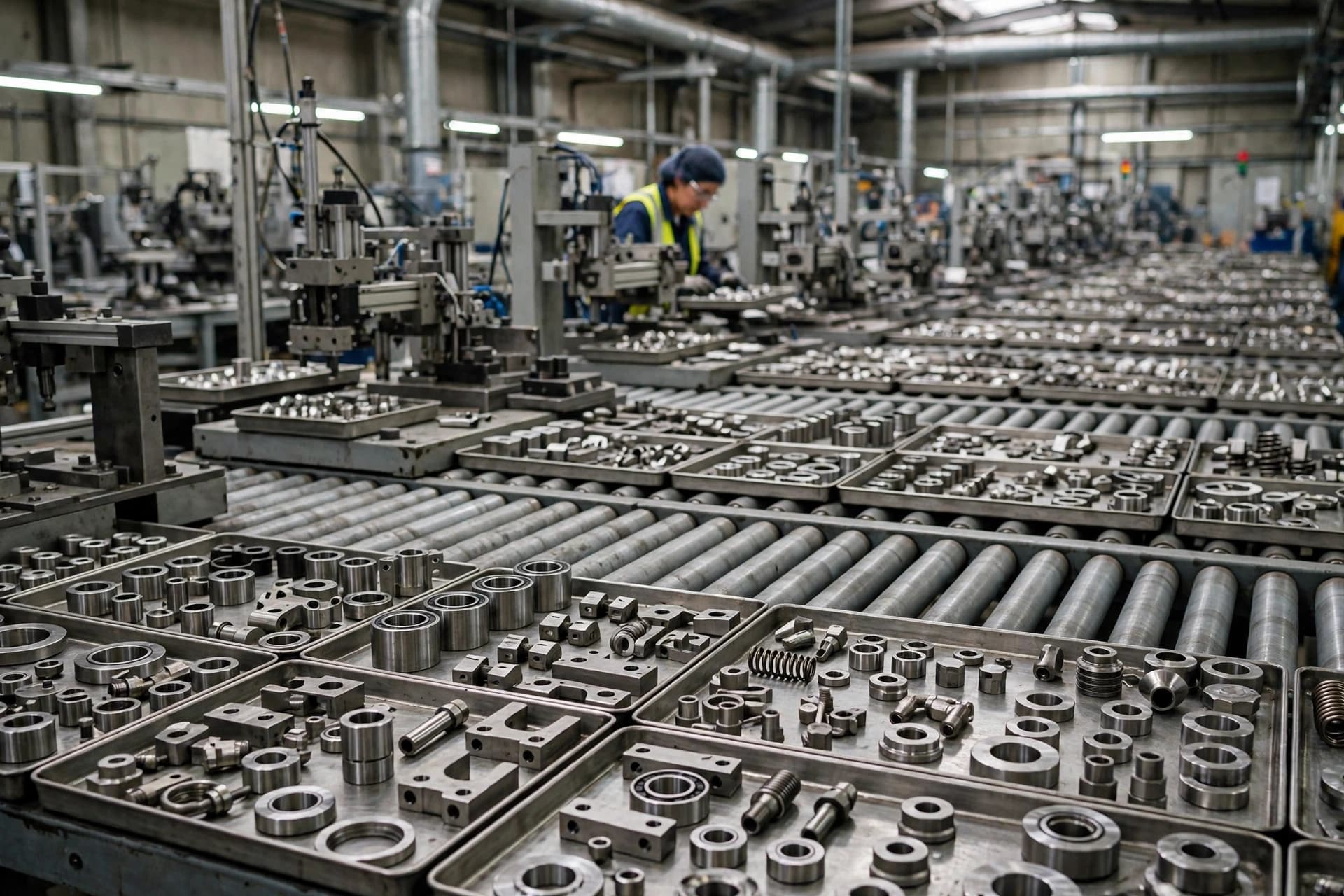
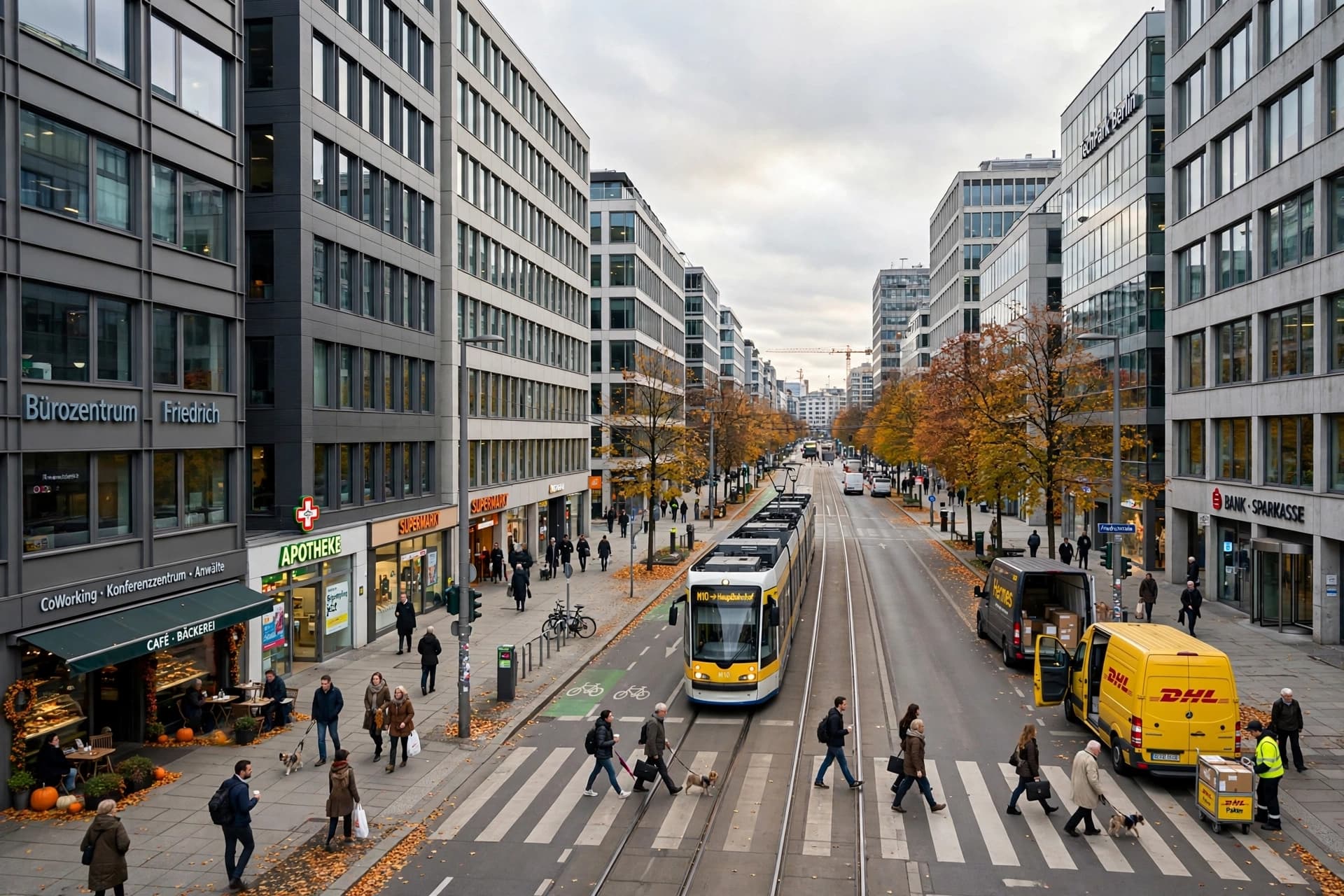
Across boardrooms and factory floors, inside offices and on shop counters, a troubling figure haunts Europe’s labor markets: women earn around twenty-three percent less than their male counterparts. That gap — not the result of a single decision or bias, but a complex weave of history, policy and societal expectation — remains a stubborn fault line in the promise of equality.
For many women, the difference is felt not in percentages but in everyday choices: whether to start a family, whether to pursue certain careers, whether to invest in long-term security. A lower paycheck translates over time into smaller pensions, limited financial autonomy, and the subtle yet relentless message that their work is worth less.
The reasons behind the gap are layered. Occupational segregation persists: women are overrepresented in lower-paid sectors and under-represented in high-pay senior or technical roles. Career interruptions — often due to childbirth and caregiving — reduce earnings over a lifetime. And even where roles and hours are comparable, unequal pay for equal work still plays a role, masked in complex compensation schemes and bonus structures.
For the European economy and society, the cost is steep. Underpaying half the workforce means under-utilizing talent and sustaining structural inefficiencies. It burdens social welfare, penalizes families, and cements economic divides along gender lines. The gap is not just a personal disadvantage — it is a systemic leak in equity and growth.
Closing it will require more than lip service. Policies must target equal pay enforcement, affordable childcare, flexible working arrangements, and pathways to leadership that don’t penalize caregiving. Employers must audit wage structures, challenge unspoken biases, and value labor equitably. Societies must shift — challenging norms that relegate women to certain jobs or expect sacrifice without compensation.
Until then, the 23-percent gap remains a persistent echo of inequality — a shadow over the promise that in modern Europe, gender no longer dictates value. And for many women, every pay stub is a reminder that equality, still, is a work in progress.
Published by Banx Network. This article is part of the Banx decentralized media programme, powered by the BXE token on the XRP Ledger.