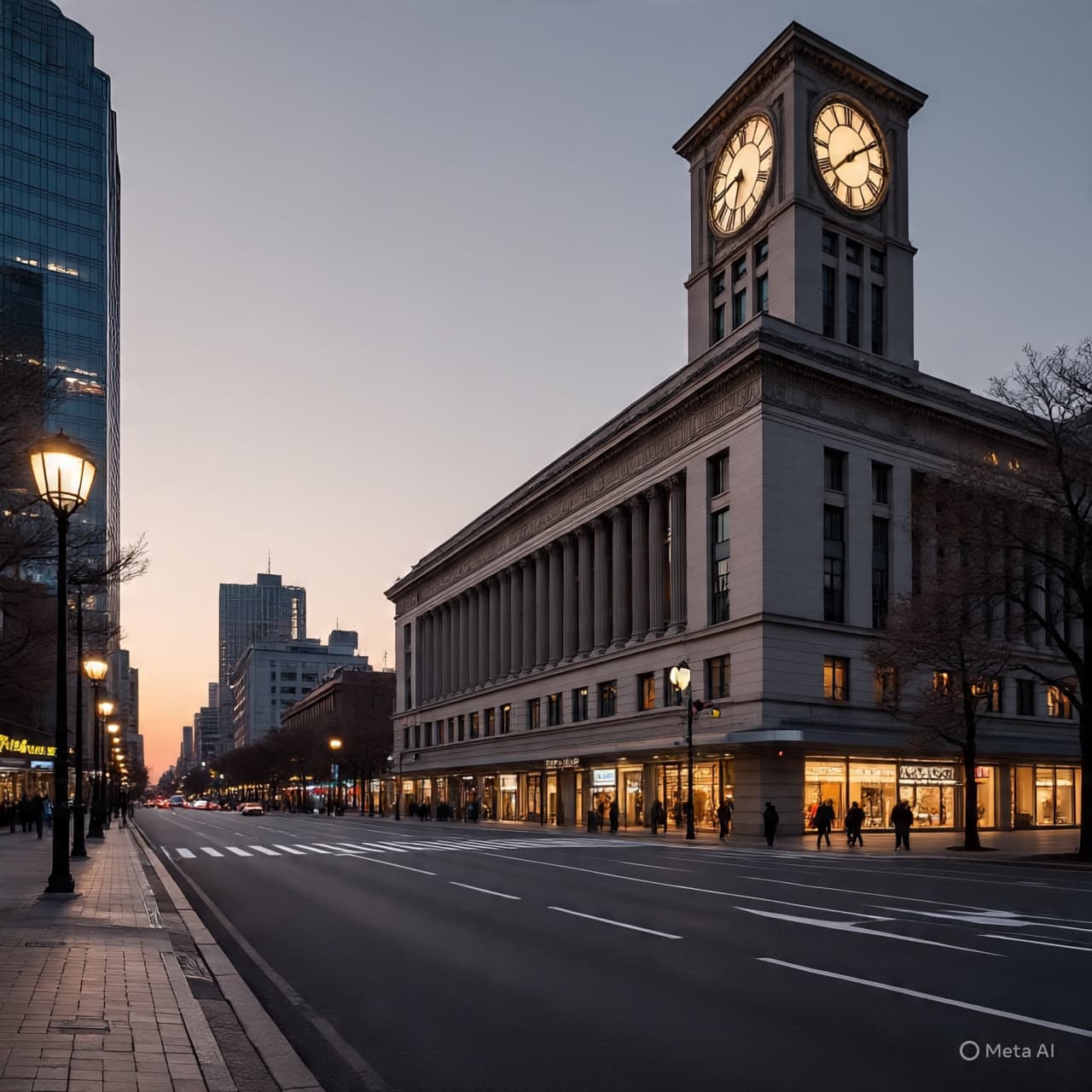
Tokyo’s winter morning light slips slowly over the city’s grid of streets and rails, brushing steel and glass with a softening warmth that seems at odds with recent numbers flashing across screens. In the cafés off Ginza and in the quiet of suburban homes, watchers of markets and national mood might have felt a gentle shift — the kind that arrives not with upheaval, but with measured anticipation.
On Monday, Japan’s stock market responded with a surge that lifted it to new heights, its benchmark index closing at record levels that had been only a distant dream months before. The Nikkei 225 rose sharply, buoyed by a wave of investor optimism that seemed to ripple from the election results announced just a day earlier. It was a response grounded in expectation — a bet on clarity, continuity, and a mandate renewed.
At the heart of that mood is the country’s political landscape, recently reshaped by a commanding victory for Prime Minister Sanae Takaichi and her Liberal Democratic Party in the lower-house election. In a result not seen in generations, the party secured a supermajority of seats, offering a firm foundation for the government’s policy agenda and a sense of political certainty that markets tend to favor.
Investors greeted the news with enthusiasm. Equities across sectors climbed in unison, from industrial firms to tech producers, each price gain a quiet echo of confidence in the road ahead. The broader market indices, too, registered peaks long hoped for, sealing a closing bell that resonated beyond charts and into conversations in offices and living rooms alike.
Economic sentiment, of course, is never a single note. In financial districts where screens glow day and night, there are cautious reminders woven into the optimism. Japan’s substantial public debt remains a backdrop to all forecasts, and some bond yields ticked upward amid speculation that aggressive fiscal plans — including stimulus measures — could eventually weigh on government borrowing costs. These are the gentle undercurrents, reminding even buoyant markets that growth carries its own rhythm of risk and reward.
For Prime Minister Takaichi, the election’s outcome represents not just numerical advantage, but a broad political mandate at a defining moment. She has spoken of “responsible yet proactive” fiscal policy in comments shared with reporters, echoing an agenda that blends support for households with investments in strategic industries. Such policy signals, clear and sustained, are what traders and portfolio managers anchored their strategies upon, translating political clarity into financial strength.
And yet, beyond the ticker-tape numbers and forecasts, there is a city waking to another workday, a nation settling into its pace of life where market highs and policy pledges will gradually find their place among the routines of daily existence. In Tokyo’s parks and alleys, among commuters and café patrons, the day unfolds at its natural pace, as though to remind all that life’s deeper measures are not only found on screens but in the rhythms that underlie them.
By the end of the session, the facts stood plainly: Japan’s stock market hit record highs following the decisive election victory that gave Prime Minister Sanae Takaichi’s Liberal Democratic Party a substantial parliamentary majority. Markets reflected investors’ hopes for continued fiscal initiatives — a financial sunlight cast over charts and conversations alike — even as questions of debt, policy execution, and long-term sustainability remain part of the unfolding narrative.
AI Image Disclaimer Illustrations were created using AI tools and are not real photographs.
Sources Reuters; The Guardian; Jiji Press; Seoul Economic Daily; Bloomberg.
Published by Banx Network. This article is part of the Banx decentralized media programme, powered by the BXE token on the XRP Ledger.