Medical progress is often measured not by dramatic moments but by steady advances built upon years of research. Each breakthrough emerges from countless experiments, clinical trials, and collaborations among scientists determined to improve patient outcomes. Recent developments presented at major cancer research conferences suggest that another important step may be unfolding in the ongoing effort to combat one of the world's most challenging diseases.
Researchers have introduced new treatment approaches that appear to enhance the effectiveness of cancer therapies, particularly in areas where existing options have historically faced limitations. Several studies presented at international meetings have generated optimism among medical professionals.
Among the most closely watched developments are advances in immunotherapy, a treatment strategy that helps the body's own immune system identify and attack cancer cells. Over the past decade, immunotherapy has transformed care for several forms of cancer, and scientists continue searching for ways to expand its benefits.
New findings indicate that combining different therapies may improve outcomes for some patients. Researchers are exploring how targeted drugs, immune-based treatments, and precision medicine techniques can work together more effectively.
Particular attention has been given to cancers that remain difficult to treat, including pancreatic cancer and certain advanced-stage malignancies. Early trial results suggest that innovative approaches may help improve survival prospects in selected patient groups.
Medical experts caution that promising research findings must undergo rigorous evaluation before becoming standard treatment. Large-scale clinical trials remain essential to confirm safety, effectiveness, and long-term benefits.
The growing role of genetic analysis is also reshaping cancer care. By identifying specific mutations and biological characteristics, physicians can increasingly tailor treatments to individual patients rather than relying solely on broader approaches.
Advances in technology, artificial intelligence, and molecular biology continue accelerating the pace of cancer research. These tools enable scientists to identify patterns and potential therapies that might have remained hidden in earlier eras.
While challenges remain, the latest developments reflect continued momentum in oncology research. For patients, families, and healthcare professionals, each scientific advance contributes to a broader effort to improve outcomes and expand treatment possibilities in the years ahead.
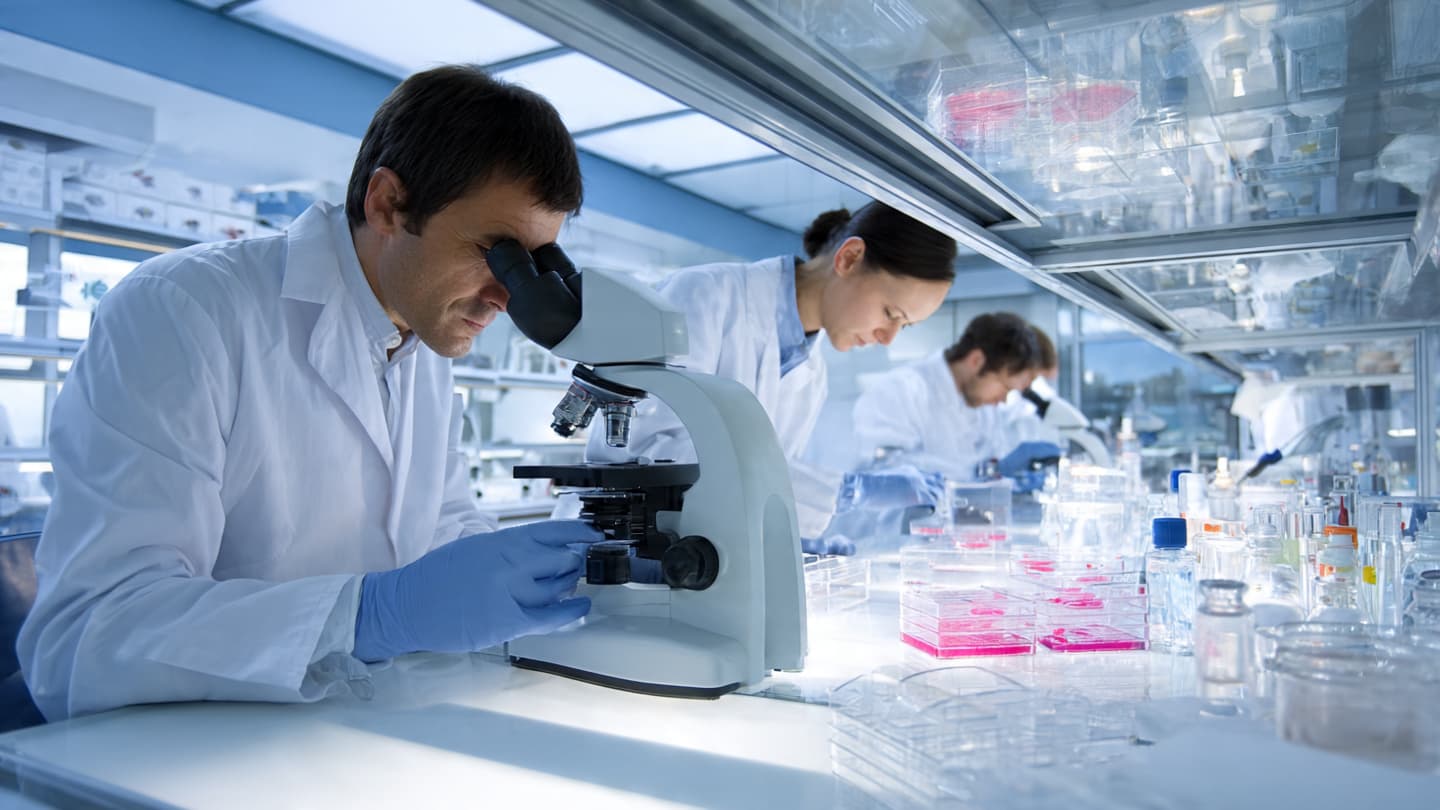
AI Image Disclaimer: This article includes an AI-generated scientific illustration created to visually support the discussion of medical research.
Source Verification Check: The Guardian, American Society of Clinical Oncology (ASCO), Nature Medicine, The Lancet Oncology, Reuters
Published by Banx Network. This article is part of the Banx decentralized media programme, powered by the BXE token on the XRP Ledger.