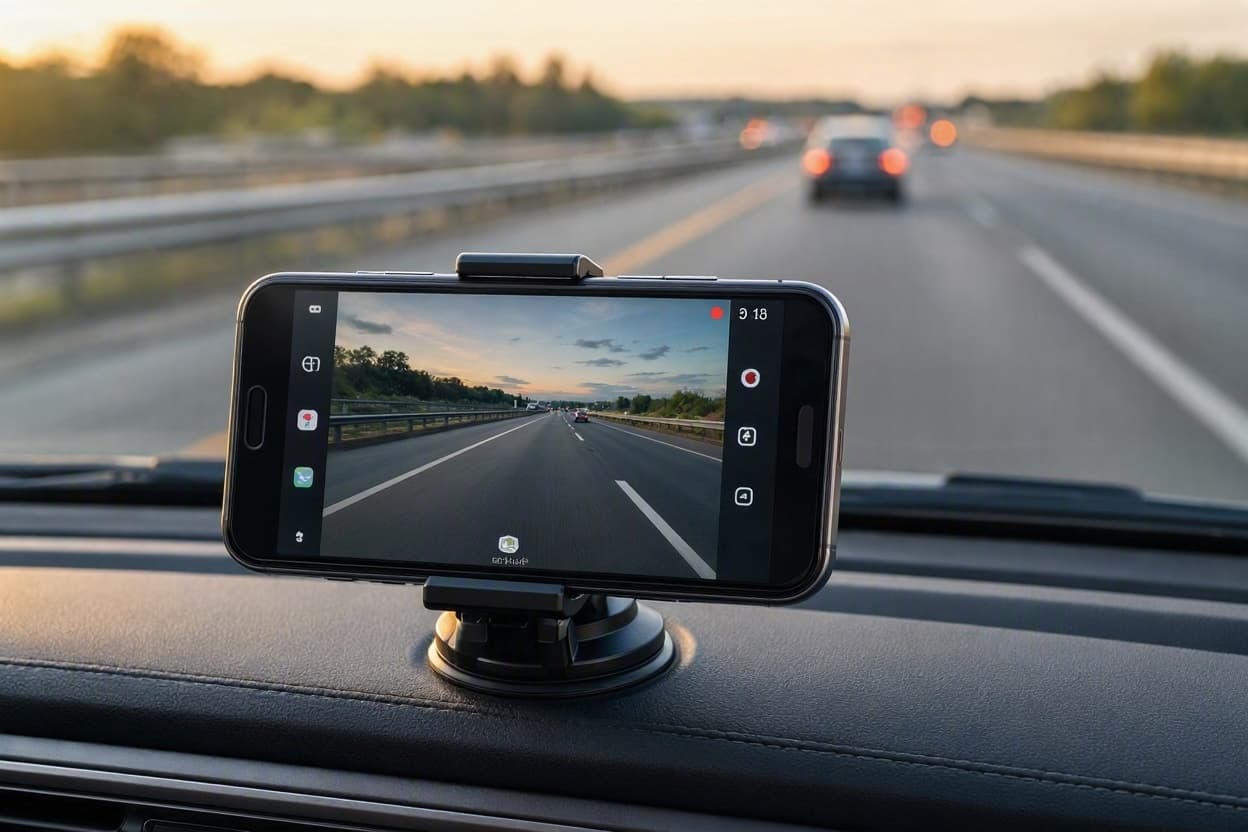
In the digital age, the pursuit of online validation can sometimes overshadow the instinct for self-preservation. A disturbing new trend on social media platforms is encouraging young drivers to treat the road as a stage for risky stunts, turning deadly behavior into a game for likes and shares. This phenomenon, often referred to as "gamified" driving, involves actions such as driving on the wrong side of the road or performing dangerous maneuvers while filming, raising serious concerns about safety and the influence of viral content.
Recent incidents, including a fatal crash in Ireland involving teenagers filming themselves driving on the wrong side of a motorway, have brought this trend into sharp focus. The desire for attention and the allure of viral fame can cloud judgment, leading individuals to underestimate the severe consequences of their actions. For many participants, the immediate feedback of likes and comments creates a powerful reinforcement loop, encouraging further risky behavior.
Law enforcement agencies across Europe and North America have reported an increase in such incidents, particularly during summer months when young people have more free time. Police warn that these stunts not only endanger the drivers but also pose a significant threat to other road users. The unpredictability of such actions makes it difficult for other drivers to react, increasing the likelihood of catastrophic accidents.
Social media companies are facing growing pressure to address this issue. While platforms have policies against dangerous content, the rapid spread of viral challenges often outpaces moderation efforts. Critics argue that algorithms designed to maximize engagement may inadvertently promote risky behavior by highlighting sensational content. Calls for stricter enforcement and better detection mechanisms are becoming louder.
Parents and educators play a crucial role in combating this trend. Open conversations about the realities of online fame and the true costs of risky behavior can help young people make safer choices. Emphasizing the value of life over virtual approval is essential. Schools are also incorporating digital literacy and safe driving education into their curricula to raise awareness.
The psychological aspect of this trend cannot be ignored. The need for social acceptance and the fear of missing out can drive individuals to participate in dangerous challenges. Understanding these motivations is key to developing effective interventions. Support systems that provide positive outlets for creativity and recognition can help redirect this energy.
As the debate continues, the focus remains on preventing further tragedies. Collaborative efforts between governments, tech companies, and communities are necessary to create a safer online and offline environment. The goal is to ensure that the thrill of driving is never confused with the thrill of danger.
The gamification of deadly driving is a stark reminder of the power of social media. It calls for a collective responsibility to prioritize safety over status, ensuring that the road remains a place of transit, not a stage for perilous performance.
AI Image Disclaimer: Visuals associated with this article are AI-generated interpretations designed to reflect the urgency and scale of the public safety concern.
Sources: CNN, The Guardian, SmartSocial.com, Vanderbilt University Medical Center
Published by Banx Network. This article is part of the Banx decentralized media programme, powered by the BXE token on the XRP Ledger.