In the subterranean veins of the city, where steel wheels once relied entirely on human hands, a new era of automation is quietly taking shape. Driverless metro trials are accelerating, moving from cautious tests to more complex simulations as the targeted opening date draws near. This transition marks a significant milestone in urban transportation, promising greater efficiency, frequency, and reliability for commuters. It is a glimpse into a future where technology seamlessly integrates with daily life.
The trials involve sophisticated software and sensors that allow trains to operate without onboard drivers. These systems monitor speed, distance, and obstacles with precision, adjusting in real-time to ensure safety and smooth operation. As the testing phase intensifies, engineers are pushing the limits of the technology, simulating peak-hour traffic, emergency stops, and various weather conditions. Each successful run builds confidence in the system’s robustness and readiness for public use.
For city planners, the shift to driverless metros offers several advantages. Without the need for driver breaks or shift changes, trains can run more frequently, reducing wait times and congestion. Energy efficiency is also improved, as automated systems can optimize acceleration and braking patterns. These benefits contribute to a more sustainable and user-friendly public transport network, encouraging more people to leave their cars at home.
However, the transition is not without its challenges. Public trust in autonomous technology remains a hurdle, with some commuters expressing concerns about safety and job displacement for existing staff. Authorities are addressing these issues through transparent communication and rigorous safety certifications. They emphasize that human oversight remains central to the operation, with control centers monitoring every train and ready to intervene if necessary.
The looming opening date adds a sense of urgency to the trials. Teams are working around the clock to resolve any technical glitches and ensure that all safety protocols are met. This final push is critical, as any delays could impact public confidence and project timelines. The pressure is high, but so is the anticipation for a modernized transit system that meets the demands of a growing city.
Job implications are also being managed through retraining programs. Many former drivers and station staff are being upskilled to roles in maintenance, customer service, and system monitoring. This approach aims to preserve employment while adapting to technological change. It recognizes that automation is not just about replacing humans but enhancing their capabilities and creating new opportunities.
As the trials progress, the public is invited to observe and provide feedback. Open days and informational campaigns help demystify the technology, allowing citizens to see the safety measures firsthand. This engagement is crucial for building acceptance and excitement. When people understand how the system works, fear often gives way to curiosity and support.
In the end, the driverless metro represents more than just a technological upgrade; it is a symbol of progress. It reflects a city’s commitment to innovation and improved quality of life for its residents. As the target opening date approaches, the anticipation builds for a smoother, faster, and more reliable commute. The journey toward automation is nearly complete, promising a new chapter in urban mobility.
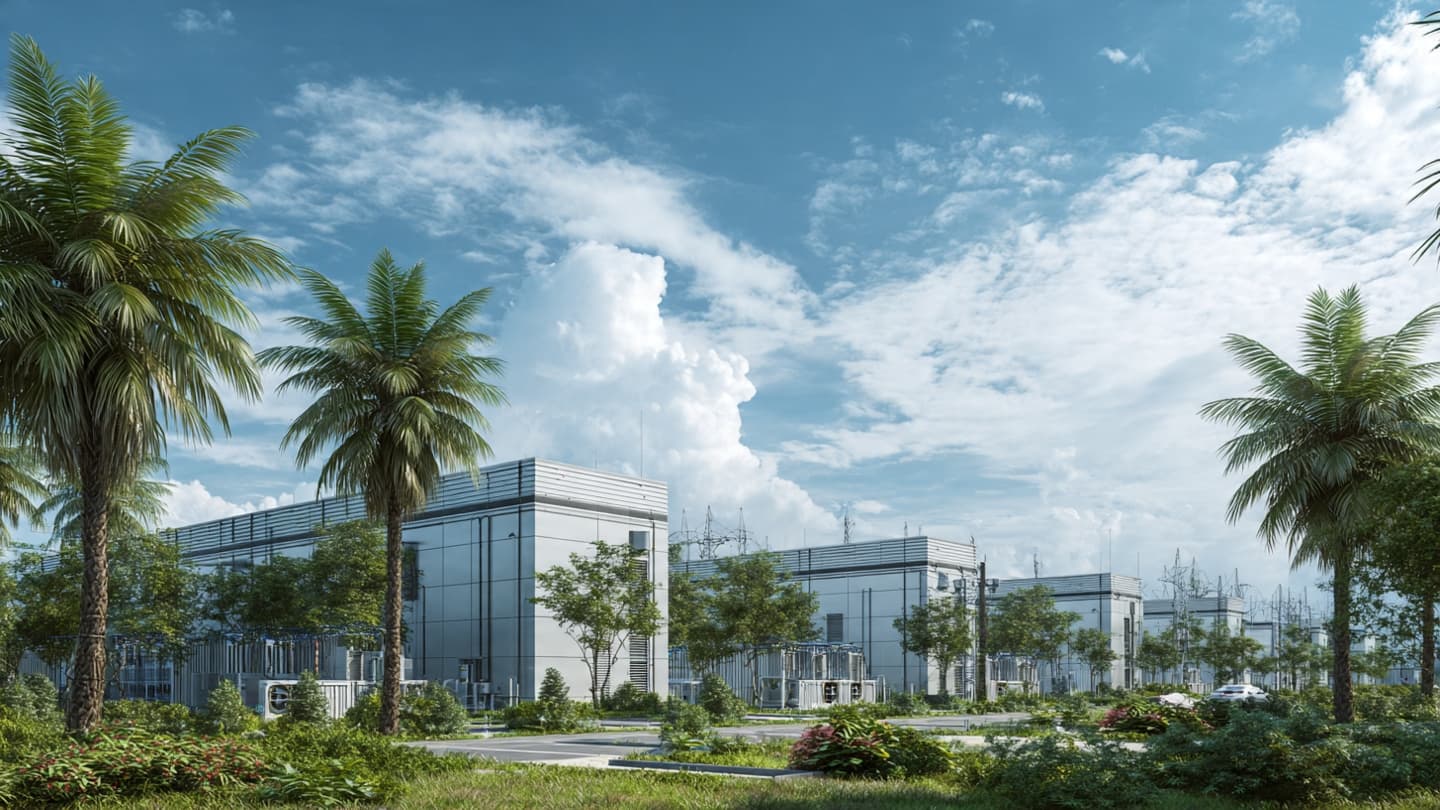
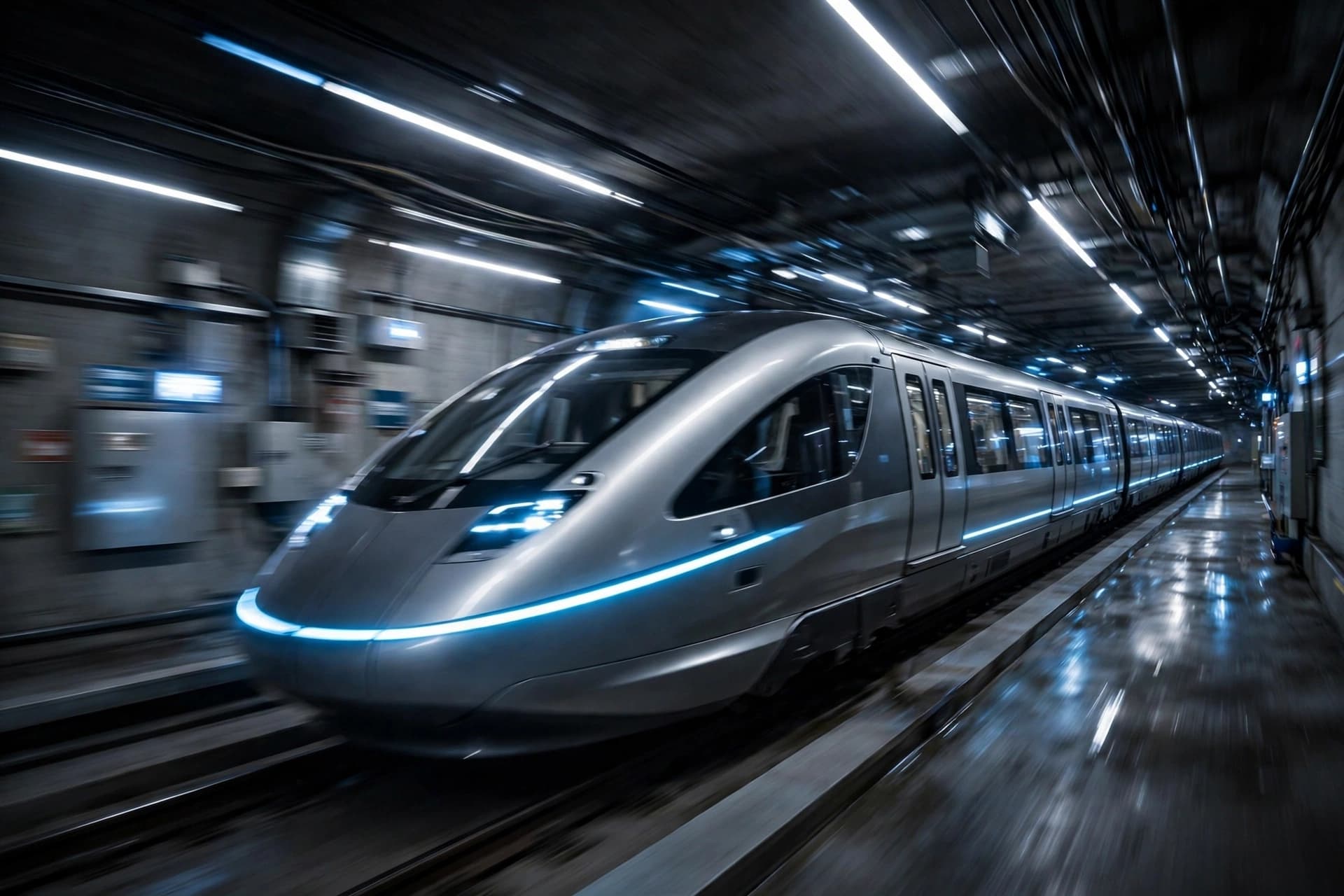
AI Image Disclaimer: The visual aids included here are AI-generated illustrations depicting futuristic transit and automation concepts, not actual photographs of specific metro systems or trial runs.
Sources: The Guardian BBC News Urban Transport Magazine
Published by Banx Network. This article is part of the Banx decentralized media programme, powered by the BXE token on the XRP Ledger.