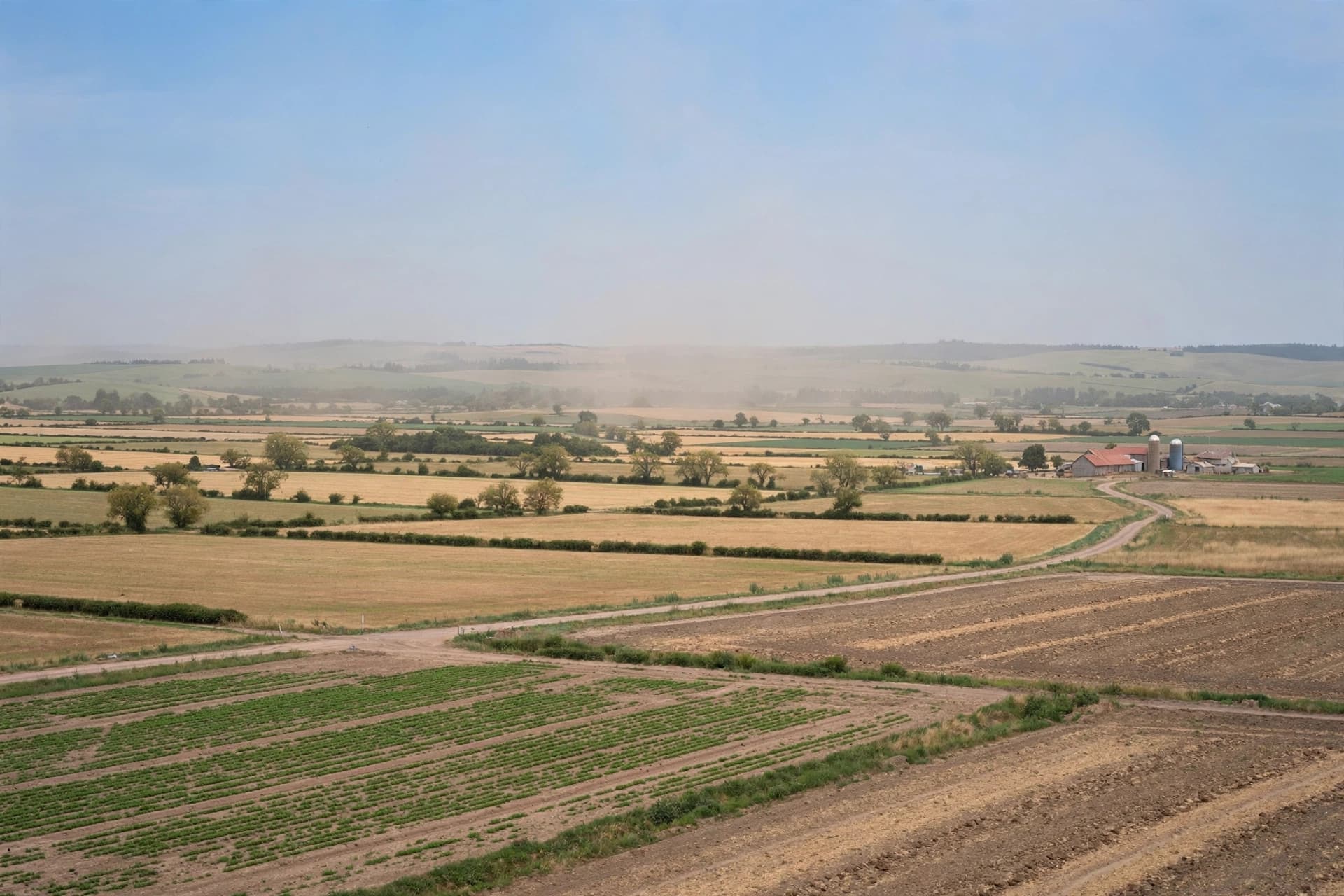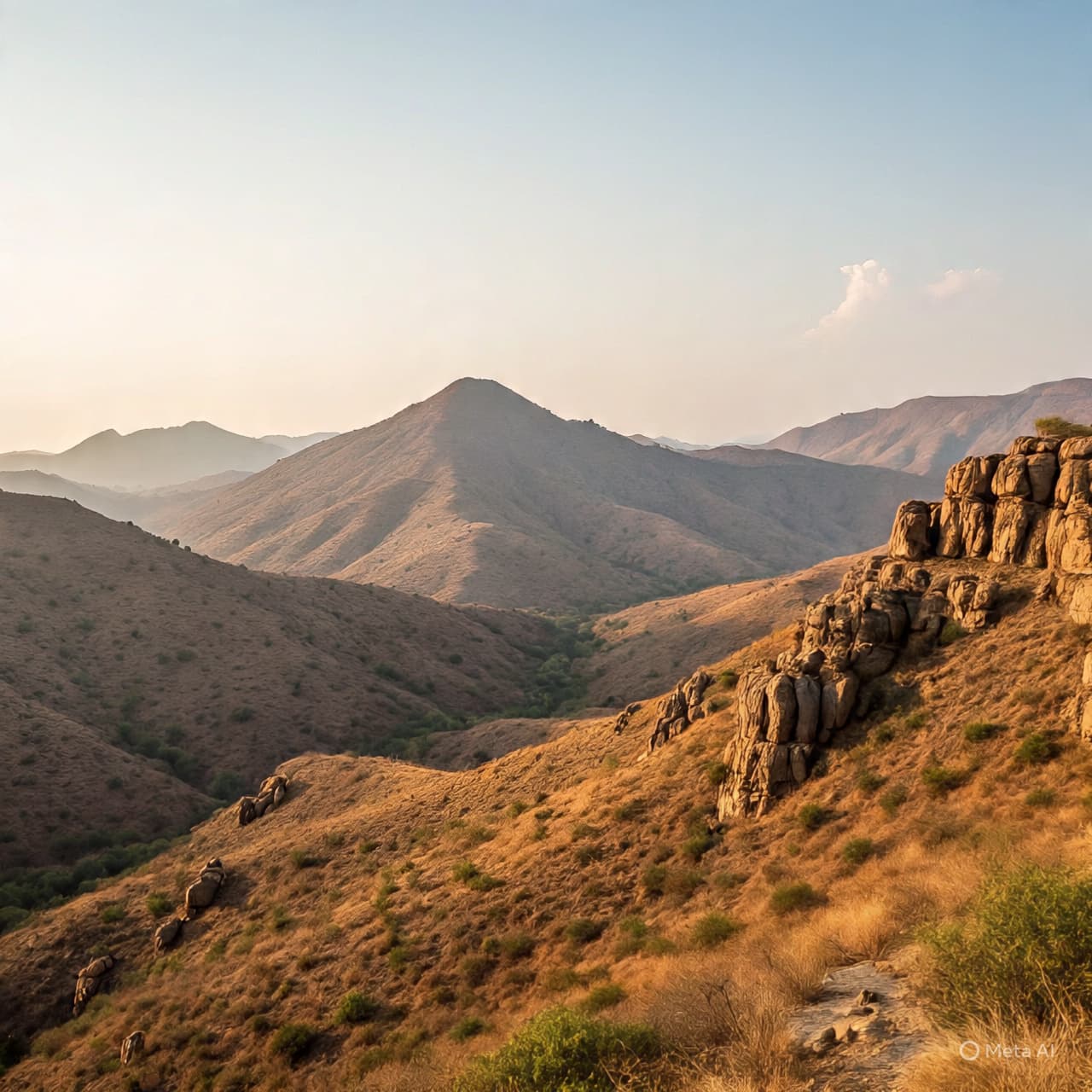
Land remembers longer than policy. In the Aravalli Range, one of India’s oldest mountain systems, memory is etched into stone and scrub, carrying centuries of extraction, protection, neglect, and return. Any new plan here arrives already weighed down by what the land has endured.
India’s Environment Minister has said a district-wise plan is being developed to demarcate mining areas across the Aravalli Range. The proposal is presented as an attempt to bring order to a landscape long marked by legal ambiguity, uneven enforcement, and environmental stress. By mapping where mining may or may not occur, authorities aim to replace improvisation with structure.
The Aravallis stretch across several states, supporting groundwater recharge, biodiversity, and regional climate stability. Unregulated mining over decades has scarred hills, lowered water tables, and weakened natural buffers against desertification. Courts have intervened repeatedly, yet enforcement has varied from district to district, often leaving room for dispute and circumvention.
Officials describe the new approach as calibrated rather than expansive. A district-wise framework would, in theory, reflect local geology, ecological sensitivity, and existing land use. Supporters argue that clarity could reduce illegal extraction while allowing limited, regulated activity where environmental costs are assessed and contained.
Skeptics remain cautious. Environmental groups warn that demarcation can become normalization, turning exceptions into precedents. Much depends on how boundaries are drawn, how monitoring is conducted, and whether ecological considerations outweigh short-term economic pressure. In a region where oversight has historically lagged intent, trust is measured carefully.
The plan also raises broader questions about development pathways. Mining brings revenue and materials, but the Aravallis provide less visible services that are harder to replace once lost. Water security, air quality, and habitat continuity do not respond easily to administrative lines.
As details emerge, the proposal sits at a familiar crossroads. It could mark a step toward accountability, or reopen old vulnerabilities under a new map. In the Aravallis, the challenge is not simply where mining is allowed, but whether restraint can finally be made durable.
Published by Banx Network. This article is part of the Banx decentralized media programme, powered by the BXE token on the XRP Ledger.