On Titan, Saturn’s largest moon, the sky is a hazy orange, and the rain that falls is not water but liquid methane. In this alien landscape, where rivers carve through ice and lakes shimmer with hydrocarbons, NASA is preparing to send a unique explorer. The Dragonfly mission, scheduled to launch in the coming years and arrive roughly eight years from now, features a nuclear-powered rotorcraft designed to fly through this dense atmosphere. It is a venture that blends the thrill of aviation with the mystery of astrobiology, aiming to uncover the secrets of a world that may hold clues to the origins of life.
Titan is unlike any other moon in the solar system. It possesses a thick atmosphere and active weather cycles, making it the only place besides Earth with stable liquid on its surface. However, the extreme cold and chemical composition make it inhospitable to life as we know it. Yet, the presence of complex organic molecules has sparked intense interest among scientists. Dragonfly aims to investigate these prebiotic chemicals, sampling the air and surface to understand how far chemical evolution can proceed in such an environment.
The choice of a rotorcraft over a rover or lander is strategic. Titan’s gravity is low, and its atmosphere is dense, creating ideal conditions for flight. A helicopter can cover much greater distances than a wheeled vehicle, allowing it to visit multiple sites of interest across the moon’s diverse terrain. From dunes to impact craters, Dragonfly will hop from location to location, acting as both an aerial surveyor and a ground-based laboratory.
Powering this ambitious journey is a Multi-Mission Radioisotope Thermoelectric Generator (MMRTG). Unlike solar panels, which would be ineffective under Titan’s thick haze and far from the sun, the nuclear battery provides a reliable and long-lasting energy source. This technology allows the spacecraft to operate for years, enduring the harsh conditions and conducting extensive scientific measurements without the need for recharging.
The timeline for the mission reflects the vast distances involved in interplanetary travel. After launch, Dragonfly will spend several years cruising through space before entering Titan’s atmosphere. The entry, descent, and landing phase will be critical, requiring precise navigation to ensure the rotorcraft touches down safely. Once on the surface, the real work begins, as the blades spin up and the first flight in another world’s sky commences.
Scientists hope that Dragonfly will answer fundamental questions about habitability. By analyzing the chemical makeup of Titan’s surface and atmosphere, they aim to determine if the processes that led to life on Earth could occur elsewhere. Even if life is not found, the data collected will provide invaluable insights into planetary formation and organic chemistry. It is a search for understanding, driven by curiosity and the desire to know our place in the universe.
The mission also serves as a technological demonstration for future exploration. Success on Titan could pave the way for similar aerial missions to other moons or planets with atmospheres. It expands the toolkit available to explorers, proving that flight is a viable option for navigating extraterrestrial landscapes. This innovation opens new doors for how we interact with the cosmos.
As NASA prepares to send Dragonfly to Titan, the anticipation builds for what this nuclear-powered helicopter might discover. In a world where it rains methane and rivers flow with ice, the mission promises to reveal hidden chapters of our solar system’s history. It is a journey into the unknown, guided by the light of scientific inquiry.
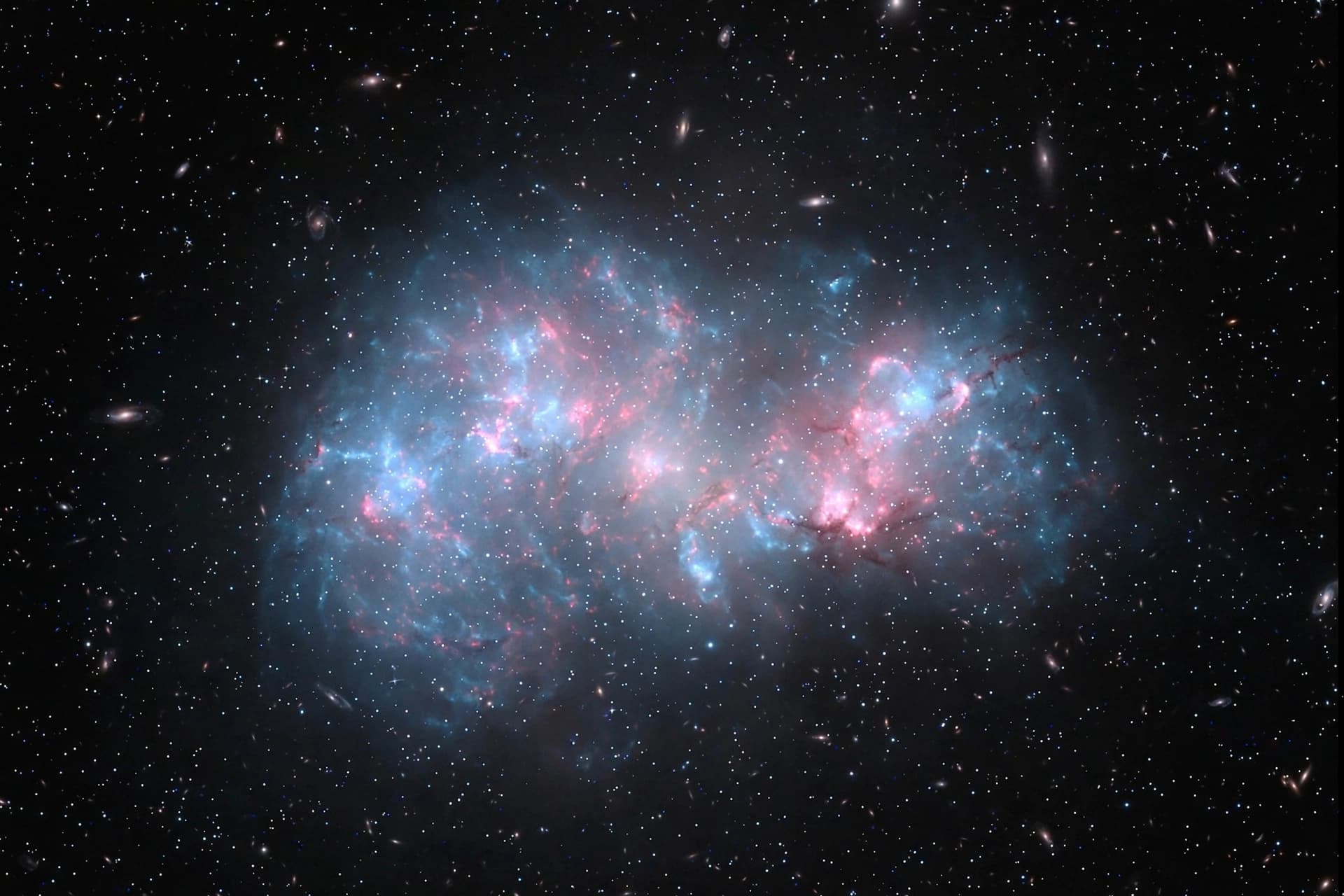
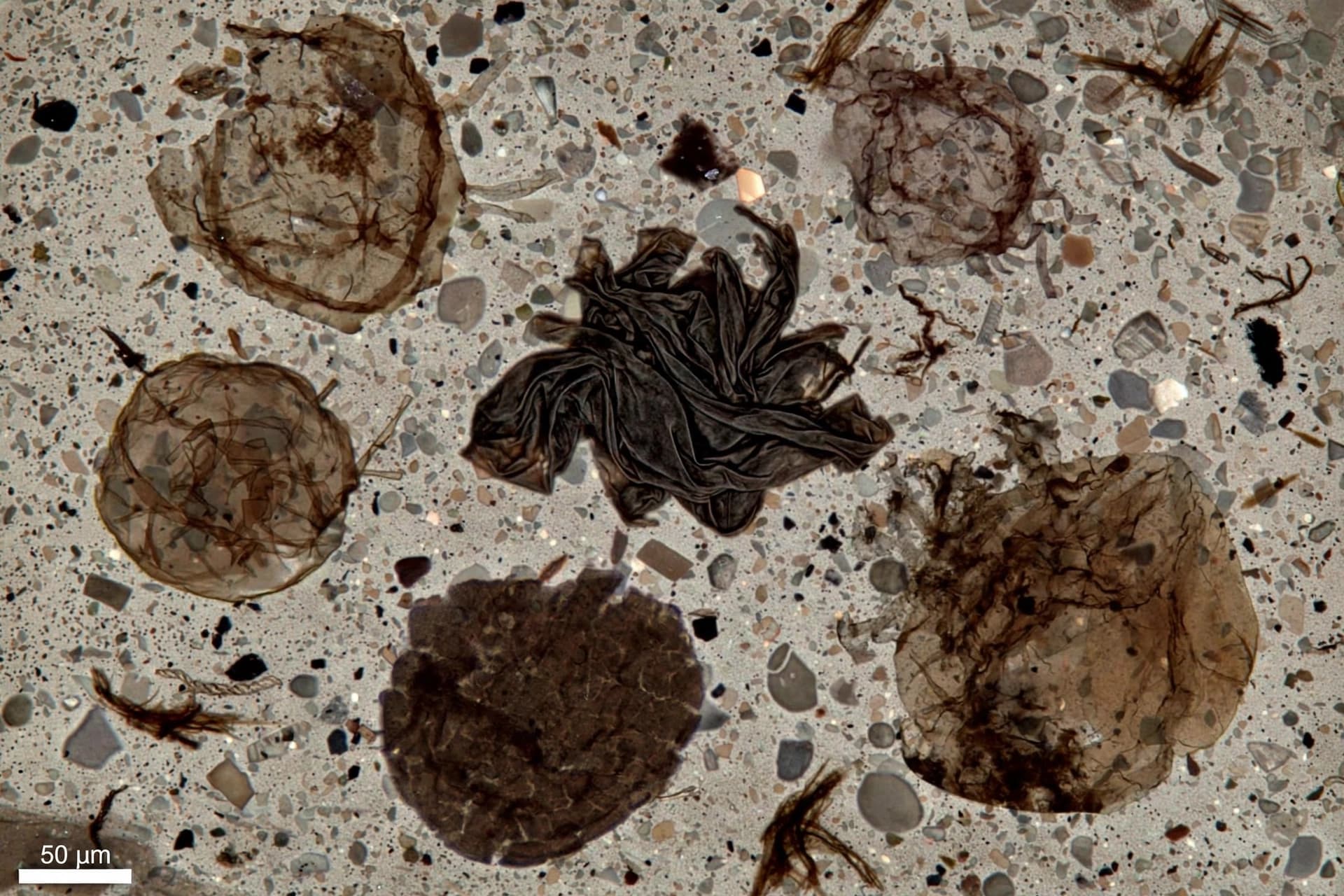
AI Image Disclaimer: The images associated with this report are AI-generated visualizations created to provide context and should not be interpreted as documentary evidence.
Sources: NASA Jet Propulsion Laboratory Johns Hopkins Applied Physics Laboratory SpaceNews National Geographic The Planetary Society
Published by Banx Network. This article is part of the Banx decentralized media programme, powered by the BXE token on the XRP Ledger.