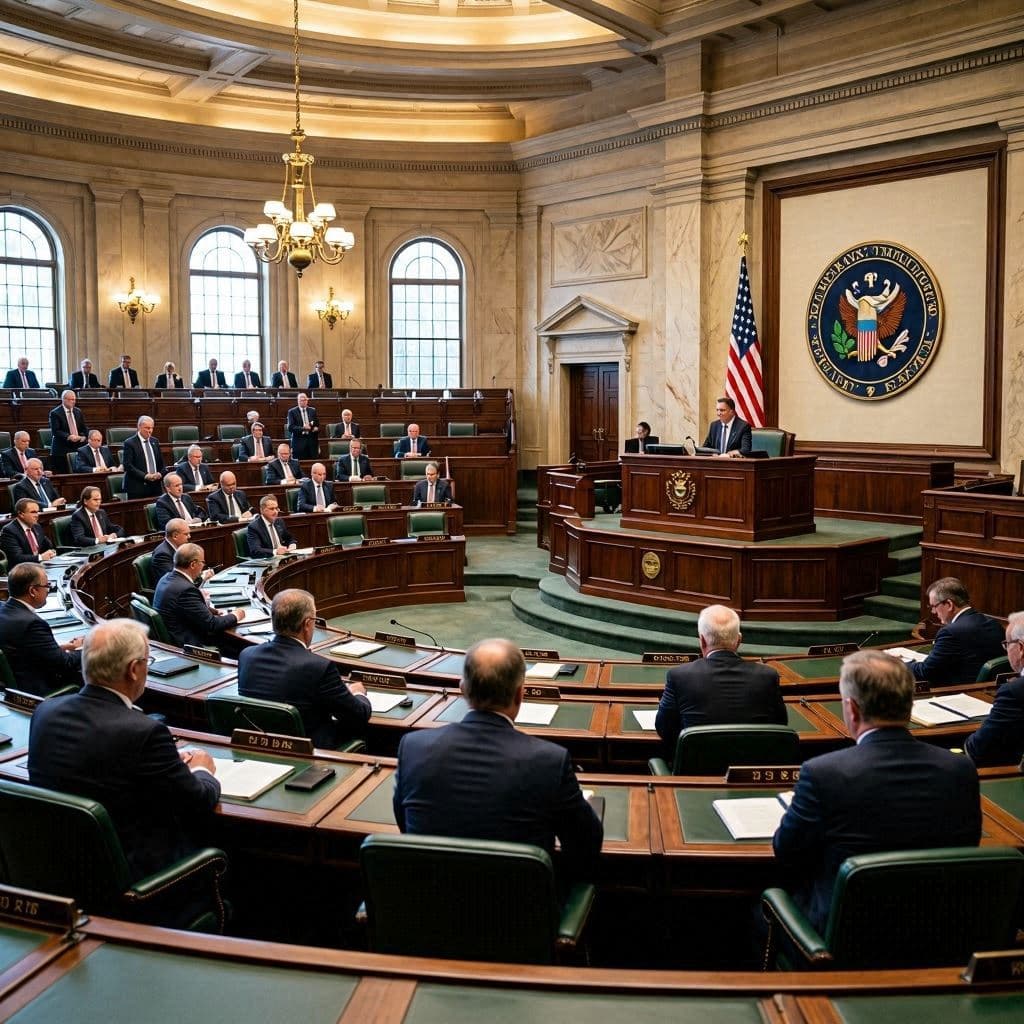
In the grand theater of legislation, where ambition meets reality, the path to passing a bill is rarely straight. Recently, senators from both sides of the aisle have expressed skepticism about the viability of a new reconciliation bill aimed at addressing key national priorities. This doubt is not merely political posturing; it reflects the deep complexities of governing in a polarized era. It invites reflection on the challenges of consensus, the weight of fiscal responsibility, and the delicate art of compromise in a democracy that values diverse voices.
Body: Reconciliation bills are powerful tools, allowing Congress to bypass the filibuster and pass budget-related measures with a simple majority. However, they come with strict rules, known as the Byrd Rule, which limit what can be included. The current proposal faces scrutiny over whether its provisions comply with these procedural constraints. Senators worry that including non-budgetary items could lead to points of order and eventual collapse of the bill. It is a technical hurdle that carries significant political weight.
Beyond procedure, there are substantive disagreements about the bill’s content. Some senators argue that the proposed spending levels are unsustainable, adding to the national debt without clear offsets. Others contend that the measures do not go far enough to address urgent social needs. These divergent views make it difficult to build the unified front required for passage. The bill stands at a crossroads, needing refinement to satisfy competing demands.
Public trust in legislative effectiveness is already fragile. High-profile failures or prolonged gridlock can deepen cynicism and disengagement. Senators are aware that their constituents are watching closely, expecting results rather than rhetoric. The pressure to deliver tangible benefits is high, yet the path to agreement is narrow. Balancing principle with pragmatism is the central challenge of the moment.
Party leadership is working behind the scenes to bridge gaps and secure votes. Negotiations involve trade-offs, where some provisions may be scaled back or removed to gain support. This process of pruning and polishing is essential for survival. It requires patience and willingness to let go of ideal outcomes in favor of achievable ones. Compromise is often messy but necessary.
Interest groups and lobbyists are actively influencing the debate, advocating for their specific priorities. Their input adds another layer of complexity, as senators must weigh external pressures against internal party goals. Navigating these influences requires strong ethical grounding and clear communication. Transparency in the process helps maintain integrity and public confidence.
Media coverage plays a significant role in shaping perceptions of the bill’s chances. Headlines highlighting discord can discourage cooperation, while stories of progress can build momentum. Senators are mindful of the narrative, using interviews and statements to signal their positions. The court of public opinion is as important as the floor of the Senate.
As the deadline approaches, the focus shifts to vote counting and whip operations. Every senator’s support is crucial, and leaders are working to ensure alignment. The outcome remains uncertain, reflecting the dynamic nature of legislative politics. Whether the bill passes or fails, the process itself reveals the strengths and weaknesses of the current system.
Closing: In the end, the skepticism surrounding the reconciliation bill is a testament to the rigorous scrutiny inherent in democratic governance. It highlights the difficulty of achieving consensus in a divided nation. As debates continue, the hope is that lawmakers will find common ground, delivering legislation that serves the public good.
AI Image Disclaimer: The visual representations associated with this article are AI-generated artistic interpretations designed to illustrate the themes of political negotiation and legislative process.
Sources: Politico The Hill Roll Call
Published by Banx Network. This article is part of the Banx decentralized media programme, powered by the BXE token on the XRP Ledger.


.jpg&w=3840&q=75 "EU Gambling Levy Omitted From Irish MFF Budget Draft, but Remains Under Discussion")