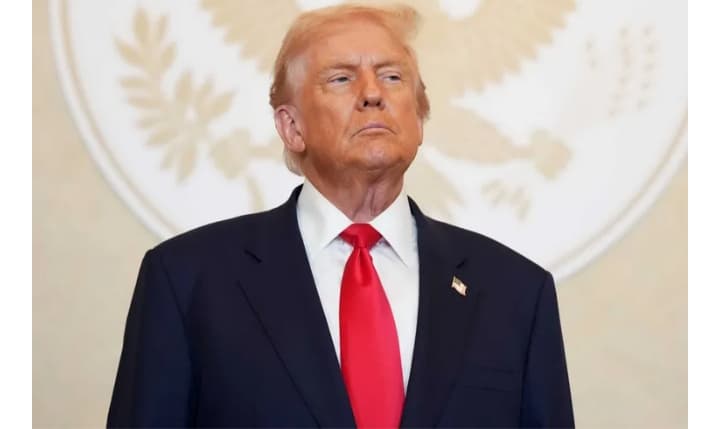
Former President Donald Trump ignited significant controversy with his recent remarks regarding the family of a suspect in a National Guard shooting incident. Speaking at a rally, Trump stated, "I’m looking at the possibility of deporting the wife and five children of the suspect. We have to take strong action against those who threaten our safety."
This statement follows a tragic event where a National Guard member was shot during a routine patrol. The suspect, who is currently in custody, has been linked to a series of violent incidents, raising concerns about public safety and community protection.
Trump’s comments have drawn sharp criticism and support alike. Advocates of strict immigration enforcement laud the idea as a means to deter crime, while opponents argue that targeting families punishes innocent individuals who had no involvement in the crime. "It’s an egregious violation of human rights," said an immigration rights activist. "Children should not be punished for their parent’s alleged actions."
The legal ramifications of such a deportation plan are complex. Current U.S. immigration laws provide protections for certain families, and experts suggest that executing such a mass deportation would face significant judicial challenges.
As the debate unfolds, many are left wondering how this will impact national conversations around immigration reform and community safety. The incident highlights the often fraught intersection of crime, immigration policy, and civil rights in the United States.
Published by Banx Network. This article is part of the Banx decentralized media programme, powered by the BXE token on the XRP Ledger.