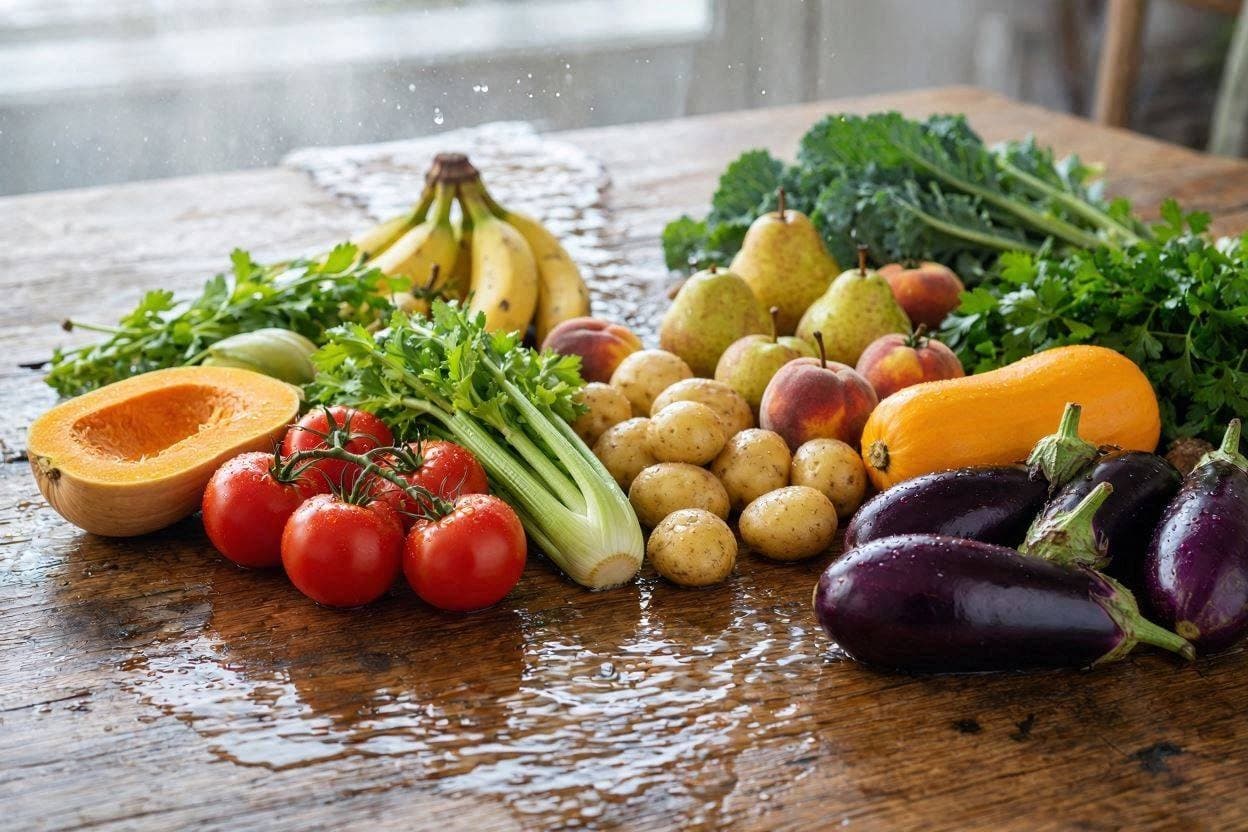
In the vibrant aisles of grocery stores, fresh produce offers a promise of health and vitality. Colors range from deep greens to bright reds, inviting consumers to make choices that nourish the body. Yet, recent reports of Cyclospora outbreaks have cast a shadow of doubt over these wholesome staples. Fear of contamination has led some to question whether it is safe to eat fruits and vegetables. However, health experts urge caution against overreaction, emphasizing that the benefits of a plant-rich diet far outweigh the risks of rare parasitic infections. It is a call to balance prudence with perspective.
Body: Cyclosporiasis, an intestinal illness caused by the parasite Cyclospora cayetanensis, has seen a rise in cases across several U.S. states. Recent outbreaks have been linked to specific items, such as iceberg lettuce and berries, often imported from regions where the parasite is more common. While the symptoms—diarrhea, fatigue, and weight loss—can be unpleasant, the condition is treatable and rarely life-threatening for healthy individuals. The key is understanding the source and taking appropriate precautions.
Avoiding fruits and vegetables entirely is not a recommended strategy. These foods are essential sources of vitamins, minerals, and fiber, playing a critical role in preventing chronic diseases such as heart disease and diabetes. Removing them from the diet can lead to nutritional deficiencies and long-term health issues. Instead of elimination, the focus should be on informed selection and proper handling.
Public health agencies, including the CDC and FDA, track outbreaks closely and issue recalls when specific products are identified as sources. Consumers are advised to stay informed through official channels rather than relying on rumors or social media alerts. When a recall is issued, avoiding the specific brand or batch is the most effective way to reduce risk. This targeted approach allows people to continue enjoying a varied diet without unnecessary fear.
Washing produce is a standard hygiene practice, though it is important to note that Cyclospora can be difficult to remove completely due to its microscopic size and adherence to surfaces. However, washing under running water and rubbing firm produce can still reduce the load of various pathogens. For leafy greens, discarding outer leaves and using clean cutting boards can further minimize risk. Cooking vegetables also kills the parasite, offering a safe alternative for those who are particularly concerned.
The agricultural industry is also taking steps to improve safety. Farms and processing facilities are implementing stricter hygiene protocols and testing water sources used for irrigation. International partnerships aim to enhance food safety standards in exporting countries, reducing the likelihood of contamination at the source. These efforts contribute to a safer supply chain for consumers.
For vulnerable populations, such as the elderly or those with compromised immune systems, extra caution may be warranted. Consulting with healthcare providers about dietary choices during an outbreak can provide personalized guidance. However, for the general population, the consensus remains clear: do not let fear dictate your diet.
Closing: The presence of Cyclospora in the food supply is a reminder of the complexities of global agriculture. Yet, it is not a reason to abandon healthy eating habits. By staying informed, practicing good hygiene, and supporting safe food practices, consumers can enjoy the benefits of fruits and vegetables with confidence.
AI Image Disclaimer: Visuals in this article are AI-generated representations of fresh produce and kitchen settings, intended to illustrate the themes of food safety and healthy eating without depicting specific brands or real-world incidents.
Sources: Centers for Disease Control and Prevention (CDC) Food and Drug Administration (FDA) Consumer Reports University of Minnesota CIDRAP
Published by Banx Network. This article is part of the Banx decentralized media programme, powered by the BXE token on the XRP Ledger.

.jpg&w=3840&q=75 "Qantas Grounds Plane After Passengers Report Bedbug Bites")