In the intricate choreography of American democracy, the order of the dance often dictates the rhythm of the entire performance. For decades, the early primary states have held a disproportionate influence on the presidential nomination process, shaping narratives and winnowing fields before much of the country has had its say. Now, as the Democratic Party looks toward the horizon of 2028, a significant shift is underway. The decision to place South Carolina at the front of the line is not merely a procedural adjustment but a profound acknowledgment of the party’s evolving identity and the diverse voices that sustain it.
This move reflects a deliberate effort to realign the primary calendar with the demographic realities of the Democratic base. It invites a reflection on who gets to speak first in the national conversation, and how that initial voice can echo through the halls of power. By prioritizing a state with a rich history and a pivotal role in the party’s coalition, Democrats are signaling a commitment to inclusivity and representation from the very start of the journey.
Body: The Democratic National Committee’s Rules and Bylaws Committee has voted to recommend South Carolina as the first state to hold its presidential primary in the 2028 election cycle. This decision marks a continuation of the restructuring that began in the previous cycle, moving away from the traditional dominance of Iowa and New Hampshire. The recommendation now heads to the full DNC for final approval, but the consensus among party leaders suggests that the change is likely to stand, solidifying South Carolina’s new position at the forefront of the nomination process.
South Carolina’s selection is rooted in its demographic diversity and its historical significance within the Democratic Party. The state’s electorate includes a substantial African American population, which has long been a cornerstone of Democratic support. By allowing these voters to weigh in first, the party aims to ensure that candidates must engage with issues of racial justice, economic equity, and civil rights from the outset. This strategic placement is seen as a way to elevate voices that have sometimes been marginalized in earlier stages of the primary season.
The shift has not been without controversy. Supporters of Iowa and New Hampshire argue that their small-state status allows for intimate, retail politics, where candidates can meet voters face-to-face in town halls and living rooms. They contend that this personal connection is vital for testing a candidate’s mettle and authenticity. However, critics counter that these states do not reflect the racial and ethnic diversity of the nation, and that starting there skews the campaign toward issues that may not resonate with the broader electorate.
For the 2028 cycle, the calendar will also include Nevada, Michigan, and New Hampshire in the early window, creating a more geographically and demographically varied starting block. This multi-state approach is designed to prevent any single region from dominating the narrative, encouraging candidates to build broad, national coalitions rather than catering to specific regional interests. It is a complex balancing act, aiming to preserve the grassroots spirit of the primaries while ensuring representative fairness.
Campaign strategists are already adjusting their plans, recognizing that a strong showing in South Carolina could provide crucial momentum. The state’s primary date will likely draw significant media attention and resources, making it a critical battleground for hopefuls. Candidates will need to tailor their messages to address the specific concerns of Southern voters, from healthcare access to educational opportunity, while maintaining a national vision.
The decision also highlights the ongoing tension between tradition and progress within the party. While some members mourn the loss of the old order, others celebrate the opportunity to create a more equitable system. This debate is healthy and necessary, reflecting the dynamic nature of democratic institutions. As the party moves forward, it does so with a clear intent to modernize its processes and better reflect the people it serves.
Closing: As the 2028 election approaches, all eyes will turn to Columbia, South Carolina, where the first votes will be cast. This change represents more than just a new date on the calendar; it is a statement of values and a step toward a more inclusive democracy. Whether this new order yields a different kind of candidate or simply a different kind of conversation remains to be seen, but the intention is clear: to ensure that the first voice heard is one that speaks for many.
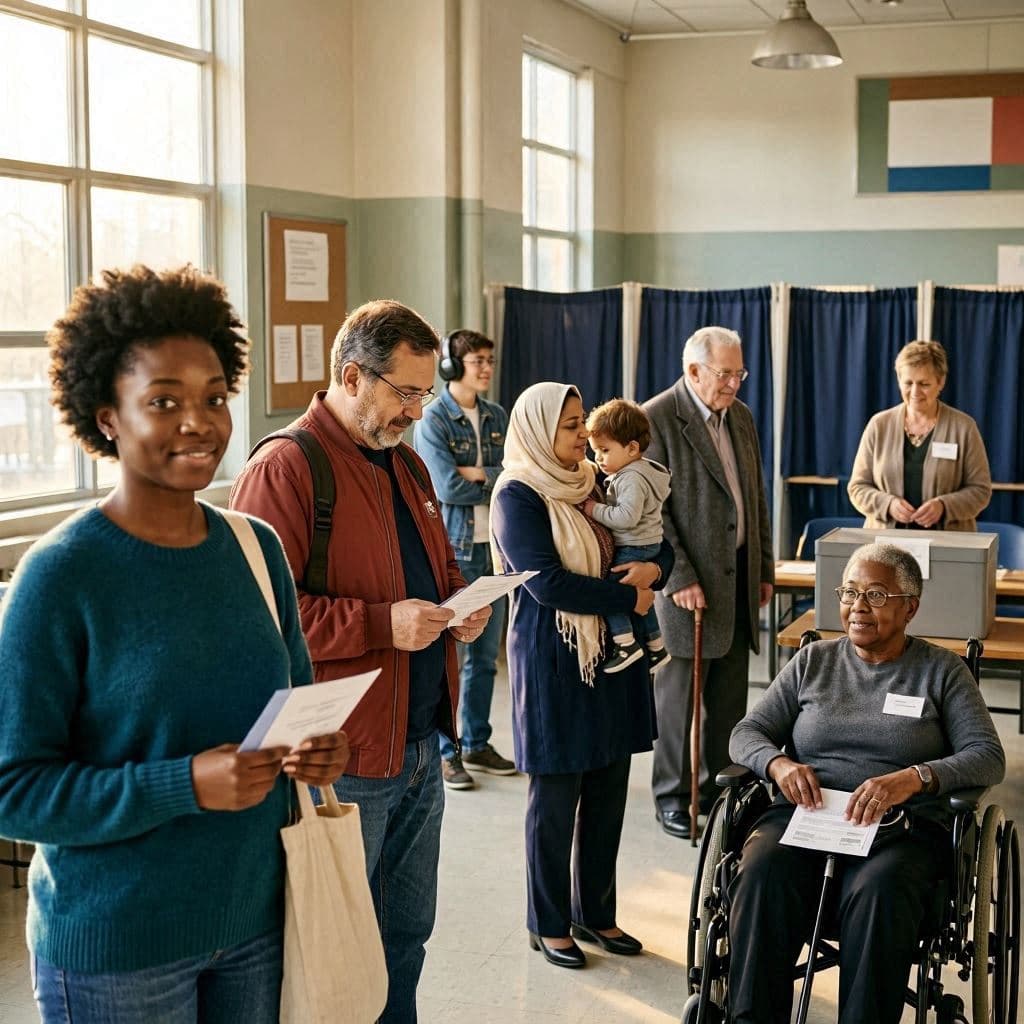
AI Image Disclaimer: Please note that any visual illustrations accompanying this text are AI-generated interpretations designed to evoke the thematic context of political primaries and democratic participation, and do not depict actual photographs of specific voting locations or political figures.
Sources: NBC News Politico The Washington Post Axios
Published by Banx Network. This article is part of the Banx decentralized media programme, powered by the BXE token on the XRP Ledger.