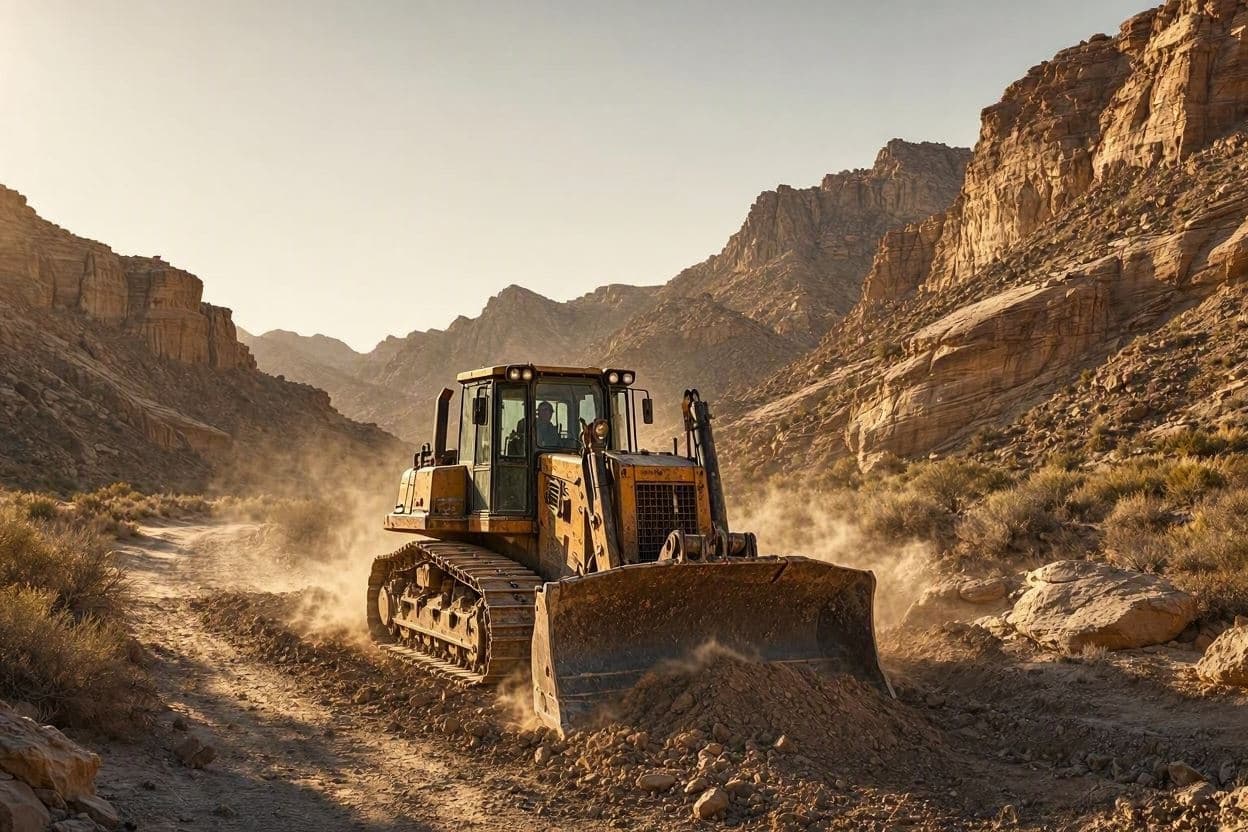
The rugged beauty of Big Bend National Park has long stood as a testament to the untamed spirit of the American Southwest. Its canyons and deserts offer a sanctuary for wildlife and a place of reflection for visitors. Yet, the roar of bulldozers has recently broken this natural silence, marking the beginning of border barrier construction within the park’s boundaries. This development invites reflection on the tension between national security priorities and environmental preservation. It is a moment where the landscape of protection clashes with the landscape of heritage.
Federal contractors have begun clearing land near Santa Elena Canyon, one of the park’s most iconic features. The work involves creating patrol roads and installing vehicle barriers, rather than a continuous steel wall. Roads carve paths. Barriers divide lands.
Environmental groups have expressed deep concern over the impact on sensitive ecosystems and endangered species. The construction threatens to disrupt migration corridors and damage fragile desert habitats. Nature suffers fragmentation. Biodiversity faces risk.
Supporters of the project argue that securing the border is essential for national safety and rule of law. They contend that the measures are necessary to prevent illegal crossings and smuggling activities. Security drives policy. Order requires control.
For local communities and park visitors, the changes alter the experience of one of Texas’ most cherished natural treasures. The visual and auditory intrusion of construction equipment contrasts sharply with the park’s usual tranquility. Peace is interrupted. Serenity is lost.
As the work continues, legal challenges and public debates are likely to persist. The outcome will shape not only the physical landscape of Big Bend but also the precedent for how protected lands are managed in the future. Precedent sets path. Future holds consequence.
Bulldozing has begun in Big Bend National Park for border barrier construction, sparking debate between security needs and environmental protection. The project involves patrol roads and vehicle barriers near key ecological areas. The hope is for balanced solutions that respect both national security and natural heritage.
AI Image Disclaimer: The visual elements accompanying this report are AI-generated interpretations designed to reflect the environmental and political context of the story.
Sources: Washington Post USA Today National Parks Conservation Association
Published by Banx Network. This article is part of the Banx decentralized media programme, powered by the BXE token on the XRP Ledger.