There is a peculiar sadness in seeing the remnants of personal history abandoned on the side of a road. In Melbourne’s western suburbs, a makeshift dump site has become a repository for discarded lives, where photo albums, warm blankets, and household furniture lie exposed to the elements. This illegal dumping ground, hidden along a dirt road, reflects a broader issue of waste management and social disposal that challenges the community’s sense of order and respect.
The site, located in an isolated area surrounded by dirt mounds, has accumulated a variety of items that range from the mundane to the deeply personal. Residents and local advocates have reported finding entire lounge suites, toilets, and boxes of photographs mixed with general rubbish. The presence of such intimate items suggests that some disposals may be linked to evictions, moves, or moments of crisis, adding a layer of human vulnerability to the environmental problem.
Illegal dumping is a persistent issue in many urban fringes, where the convenience of disposal clashes with the cost and effort of proper waste removal. For some, the makeshift tip offers an easy solution, but the cumulative impact on the landscape and local wildlife is significant. The debris not only mars the natural beauty of the area but also poses health risks through potential contamination and the attraction of pests.
Local councils have struggled to keep up with the volume of waste, often relying on community reports to identify and clean up these sites. The isolation of the location makes it an attractive target for dumpers who wish to avoid detection. However, the visibility of the waste to passersby and nearby residents creates a sense of neglect that can erode community pride and safety.
Environmental groups have highlighted the importance of proper waste disposal infrastructure and education. They argue that providing accessible and affordable hard waste services can reduce the incentive for illegal dumping. Additionally, campaigns to raise awareness about the impact of littering on local ecosystems are essential for changing behavior and fostering a culture of responsibility.
The discovery of personal items like photo albums has sparked a compassionate response from some community members, who attempt to salvage what they can. These efforts highlight the tension between viewing the waste as an environmental hazard and recognizing the human stories embedded within it. It serves as a reminder that waste management is not just a logistical challenge but a social one.
As authorities continue to monitor the site, the hope is that increased surveillance and community engagement will deter future dumping. The goal is to restore the area to its natural state, removing the scars left by careless disposal. This process requires a collective effort from residents, councils, and state agencies to address both the symptoms and the root causes of the problem.
The makeshift tip in Melbourne’s west stands as a testament to the complexities of urban waste management. While the cleanup efforts continue, the incident invites reflection on how society handles both its material excess and its marginalized moments. Restoring the land requires more than just removing trash; it demands a renewed commitment to community care and environmental stewardship.
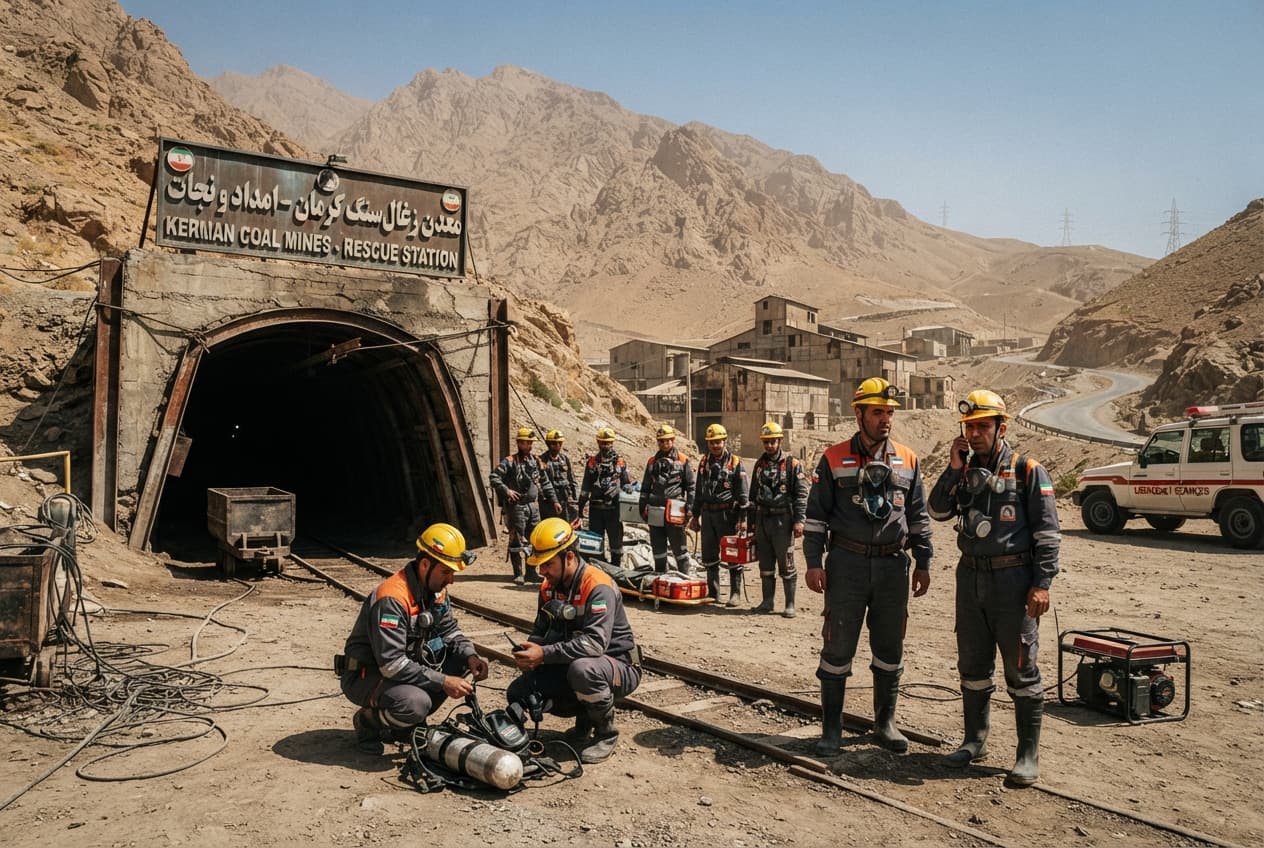
AI Image Disclaimer: Images in this piece are AI-generated illustrations of discarded household items in a rural setting, designed to evoke the theme of illegal dumping without depicting specific real-world evidence.
Sources: Wyndham TV Instagram (Rubbish Warrior) Snap Send Solve Local Council Reports
Published by Banx Network. This article is part of the Banx decentralized media programme, powered by the BXE token on the XRP Ledger.