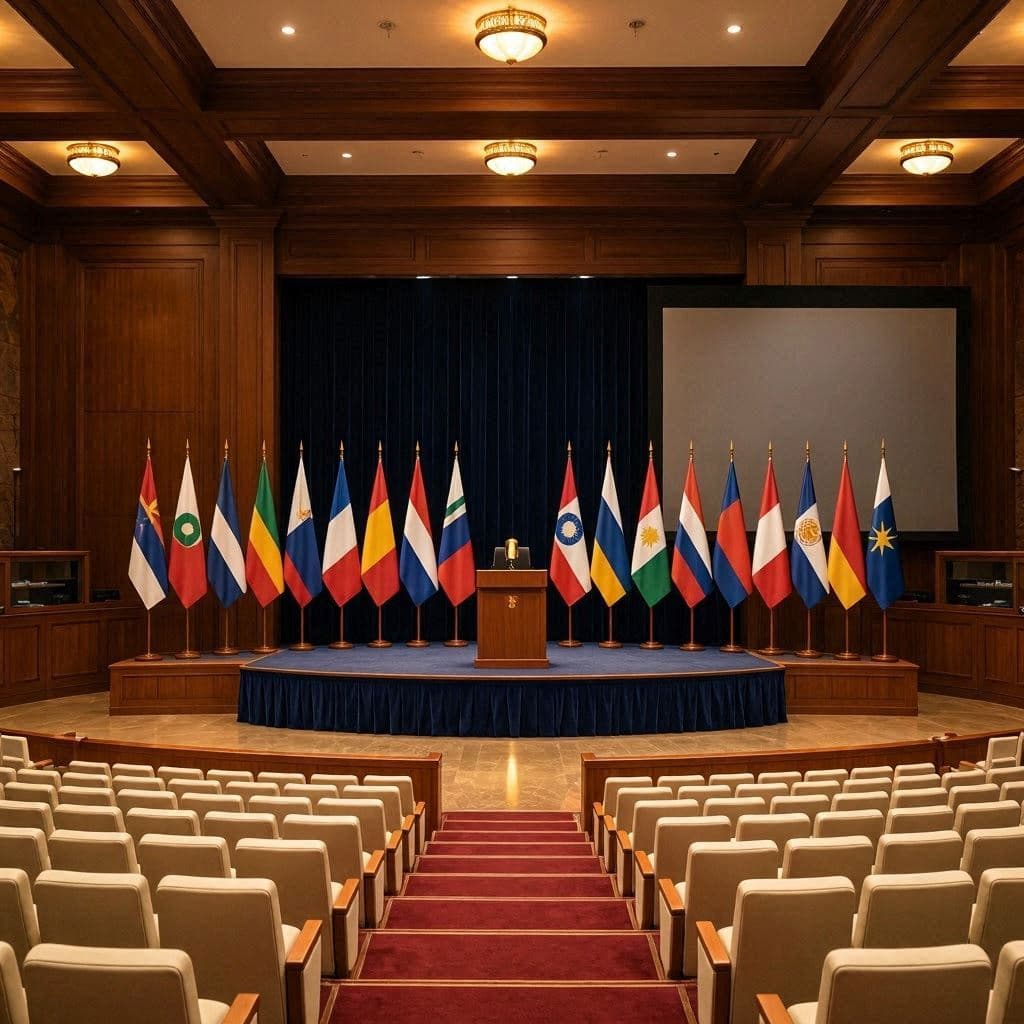
Diplomacy is often a dance of subtle gestures and unspoken rules, conducted in the quiet corridors of power. Yet, sometimes the music stops abruptly, replaced by the stark reality of geopolitical tension. In Adelaide, during the Australian Labor Party’s national conference, such a moment occurred when Chinese diplomats departed after demanding the removal of Taiwanese representatives. This incident highlights the delicate balance nations must strike between maintaining international relations and upholding democratic values. It invites us to reflect on the complexities of sovereignty, representation, and the evolving dynamics of global politics.
Body: The conference, a gathering of political leaders and delegates, is typically a space for policy discussion and party unity. However, the presence of a Taiwanese observer sparked immediate controversy. China, which views Taiwan as an inseparable part of its territory, strongly objected to the representative’s attendance. Diplomatic protocols usually dictate discretion, but in this instance, the objection was made publicly and forcefully, leading to a diplomatic standoff.
Labor officials refused to eject the Taiwanese representative, affirming Australia’s commitment to engaging with Taiwan in unofficial capacities. This stance aligns with Australia’s broader foreign policy, which supports the status quo in the Taiwan Strait while acknowledging the One-China policy. The decision underscored the principle that political parties, unlike governments, have the autonomy to invite guests who reflect diverse perspectives and democratic values.
The departure of the Chinese diplomats was a significant gesture, signaling displeasure and drawing attention to the issue. Such actions are rare in diplomatic circles, where behind-the-scenes negotiations are preferred. By walking out, the diplomats made a clear statement about their red lines, forcing the host nation to confront the implications of its choices. It was a moment of high drama in an otherwise routine political event.
For Australia, the incident reinforces the challenges of navigating its relationship with China. As a major trading partner and strategic rival, China’s reactions carry weight. However, Australia also values its democratic alliances and partnerships in the Indo-Pacific region. Balancing these interests requires careful diplomacy and a clear understanding of national priorities. The Labor Party’s response demonstrated a willingness to stand firm on principles of inclusion and self-determination.
The Taiwanese representative’s presence was symbolic, reflecting the growing informal ties between Taiwan and democratic nations. While not officially recognized as a state, Taiwan participates in various international forums and exchanges. Its inclusion in the conference highlights the nuanced way many countries engage with Taipei, focusing on shared values and practical cooperation rather than formal diplomatic recognition.
Public reaction in Australia was mixed, with some supporting the firm stance against external pressure and others urging caution to avoid escalating tensions. The debate reflects broader societal discussions about national sovereignty and economic interdependence. It underscores the need for informed public discourse on foreign policy issues that directly impact the nation’s future.
Closing: The diplomatic incident at the Labor conference serves as a reminder of the intricate web of international relations. While tensions may flare, the commitment to democratic principles and open dialogue remains steadfast. As Australia continues to navigate its place in the world, such moments test its resolve and define its character.
AI Image Disclaimer: Visuals in this article are AI-generated representations of political conferences and diplomatic settings, intended to illustrate the themes of international relations and political discourse.
Sources: The Australian Sky News Australia ABC News SBS News
Published by Banx Network. This article is part of the Banx decentralized media programme, powered by the BXE token on the XRP Ledger.