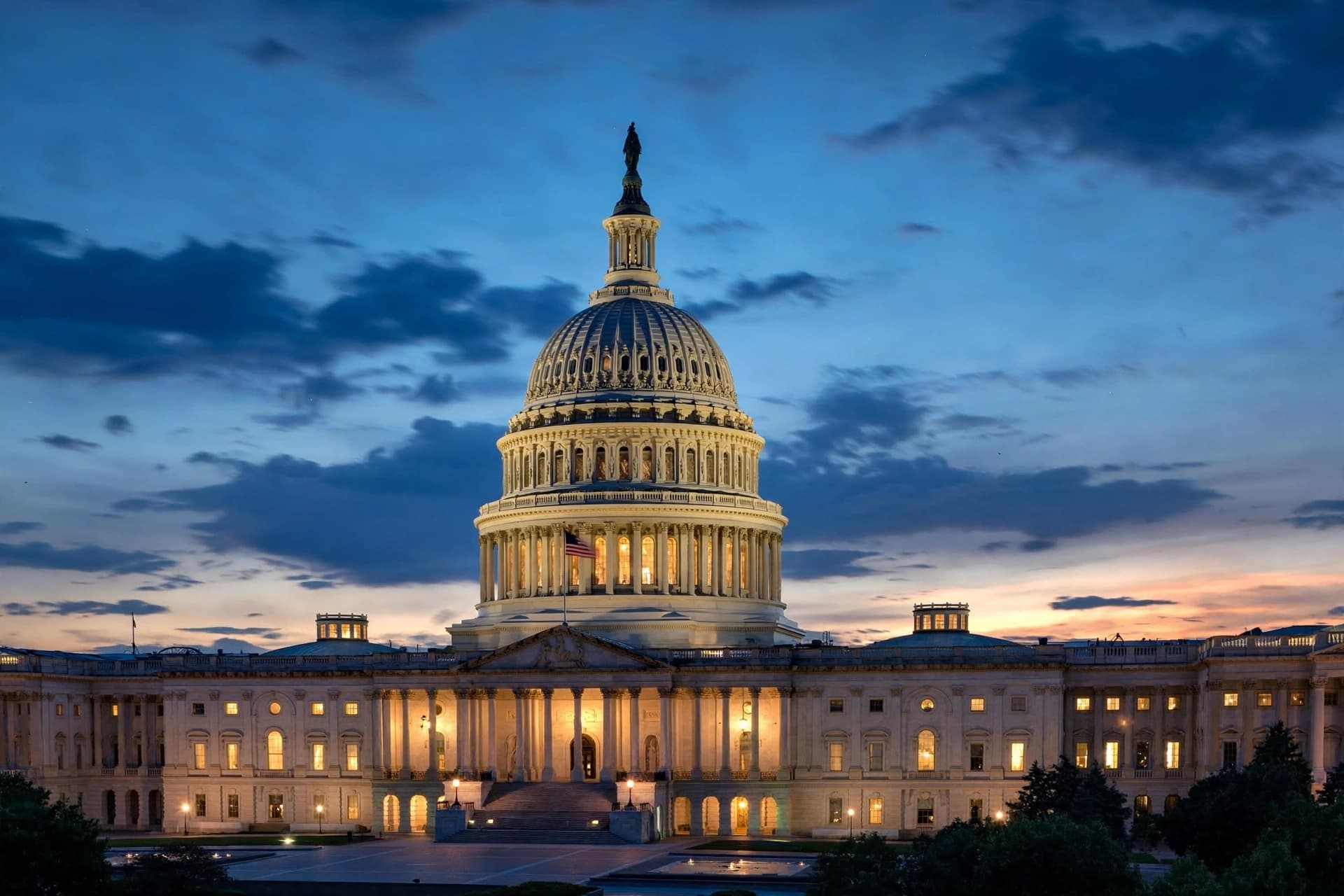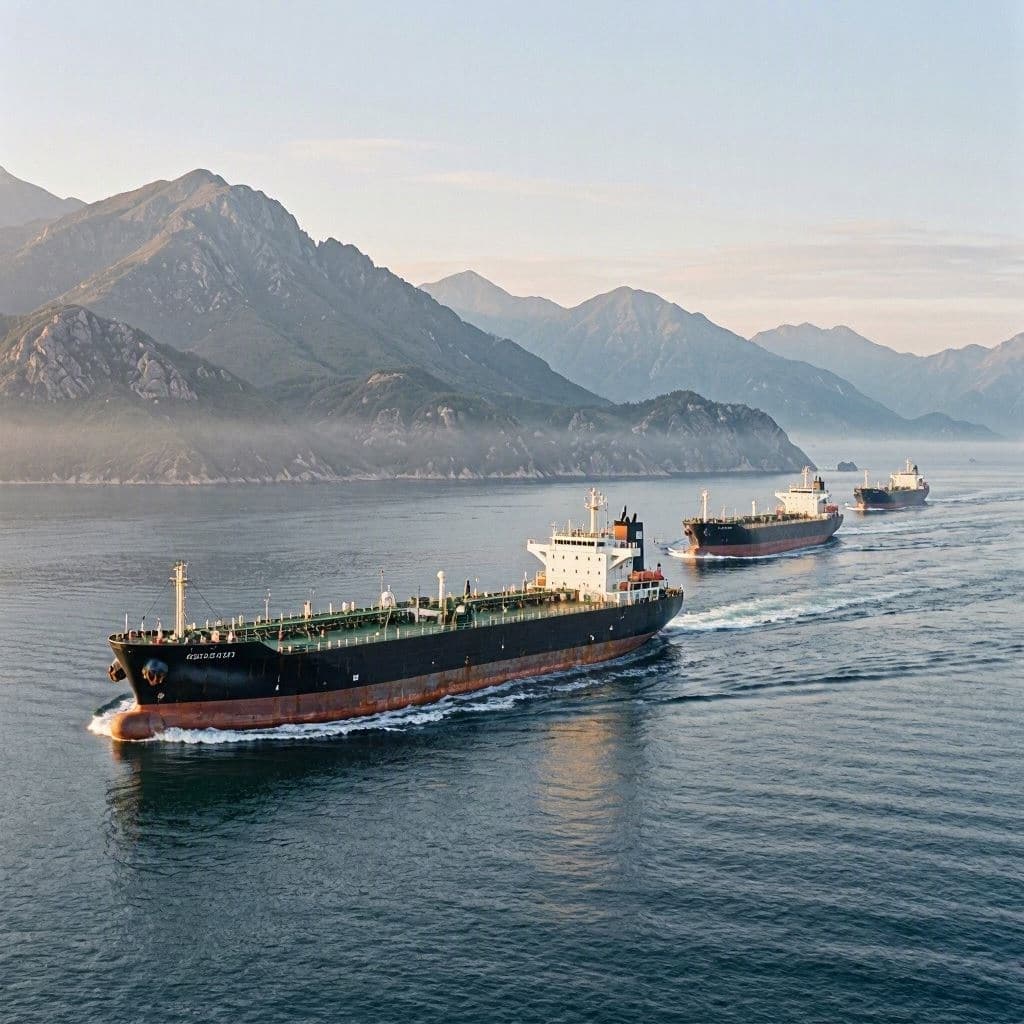
In the narrow, sun-drenched waters of the Strait of Hormuz, where the pulse of global energy flows through a chokepoint of geopolitical tension, a new chapter of diplomatic brinkmanship has begun. President Donald Trump’s recent declarations on Truth Social, asserting total American control over the strategic waterway, have been met with a firm and unyielding rebuttal from Tehran. Ali Rezaei, an Iranian official, stated unequivocally that the strait remains closed and will not reopen until the United States alters its behavior. This exchange is not merely a clash of words but a reflection of the deep-seated mistrust that continues to define relations between Washington and Tehran, with the world watching closely as oil prices and regional stability hang in the balance.
The Strait of Hormuz is a vital artery for the global economy, facilitating the transport of approximately one-fifth of the world’s petroleum consumption. Any disruption in this corridor sends immediate shockwaves through financial markets, raising fears of supply shortages and inflation. Trump’s assertion of control, framed as a decisive move to secure American interests, was intended to project strength and dominance. However, Iran’s response underscores the reality that physical presence does not always equate to operational authority, especially in waters where local knowledge and asymmetric capabilities hold significant sway.
Rezaei’s statement, delivered via Iranian state television, emphasized that the closure is conditional and tied directly to U.S. policy shifts. By linking the reopening of the strait to a change in American "behavior," Tehran has placed the onus on Washington to initiate diplomatic de-escalation. This framing transforms a military standoff into a political negotiation, challenging the U.S. to consider the broader implications of its actions beyond immediate tactical gains. The demand is vague yet potent, leaving room for interpretation while maintaining a hardline stance.
The international community has reacted with concern, urging both sides to exercise restraint and engage in dialogue. European allies, along with Asian nations dependent on Middle Eastern oil, have called for the preservation of freedom of navigation, a principle enshrined in international law. The fear is that prolonged closure or conflict could spiral into a wider regional war, drawing in other actors and destabilizing an already fragile area. Diplomats are working behind the scenes to find off-ramps, though public posturing makes compromise difficult.
Trump’s use of social media to announce such significant geopolitical moves highlights the evolving nature of modern diplomacy. Where traditional channels once allowed for nuanced, private negotiations, public platforms now serve as stages for immediate, often polarized, declarations. This approach can rally domestic support but may also limit flexibility, as backing down from a public claim can be perceived as weakness. The immediacy of Truth Social amplifies the stakes, turning every post into a potential catalyst for crisis or resolution.
Iran’s strategy appears to be one of calculated patience, leveraging its geographic advantage to extract concessions without engaging in direct military confrontation. By keeping the strait closed but offering a path to reopening, Tehran maintains pressure while avoiding the full repercussions of an act of war. This delicate balancing act requires precise coordination and discipline, as any miscalculation could lead to unintended escalation. The world waits to see if this strategy will yield the desired political outcomes or further isolate the regime.
As tensions persist, the human cost of such standoffs often goes unnoticed. Fishermen, merchants, and families living along the coast face uncertainty and economic hardship, their lives disrupted by decisions made in distant capitals. The abstract nature of geopolitical power struggles rarely accounts for these local realities, yet they are the first to feel the impact of closed borders and heightened security. Their resilience serves as a quiet testament to the enduring spirit of communities caught in the crossfire of great power competition.
The standoff over the Strait of Hormuz remains a critical test of diplomatic resolve and strategic patience. While both sides maintain firm positions, the potential for dialogue exists if political will can overcome rhetorical inertia. The global community hopes for a swift resolution that ensures the free flow of commerce and the stability of the region, recognizing that peace in Hormuz is essential for prosperity worldwide.
AI Image Disclaimer: Please note that any accompanying visuals for this article are AI-generated representations intended for illustrative purposes only.
Sources: Euronews Al Jazeera CBS News Times of India Yahoo News
Published by Banx Network. This article is part of the Banx decentralized media programme, powered by the BXE token on the XRP Ledger.